
NEW YORK, Feb 7, 2026, 10:22 EST — Market’s done for the day.
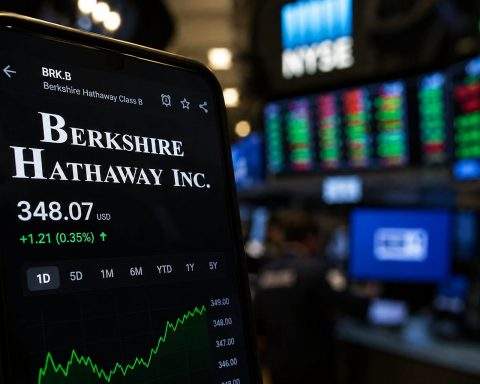
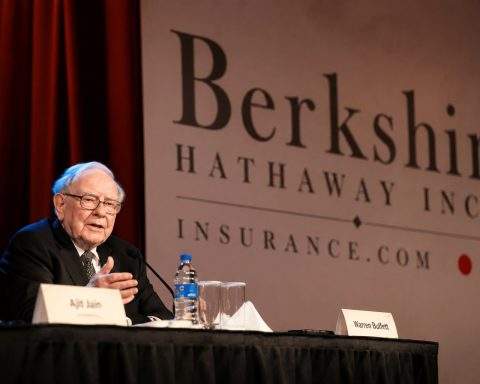
Berkshire Hathaway’s Class B stock edged up 0.83% Friday, closing out the session at $508.09. Shares traded in a range from $502.89 to $509.66. The company, run by CEO Greg Abel and headed by chairman Warren Buffett, covers an array of sectors, from insurance to railroads, energy, and plenty of other businesses.
U.S. markets are closed for the weekend, so Berkshire shareholders are left waiting to see if Friday’s bounce has legs once trading picks back up. The stock, often a go-to for those seeking exposure to the U.S. economy without betting on a single cycle, remains a favorite parking place for capital.
This stands out lately, with the tape turning choppy—traders flip quickly between “risk-on” surges and sharp retreats, much of it hinging on big tech’s spending outlook and its ripple effects. Berkshire gets swept up all the same, even when the main story isn’t about it.
Wall Street roared back Friday—Dow finishing at 50,115.67. The S&P 500 rallied 1.97%, Nasdaq jumped 2.18%. Chip stocks drove the move, reversing some of tech’s recent losses. Robert Pavlik of Dakota Wealth called the market “a bit overdone to the downside,” noting technical buying around the S&P 500’s 100-day moving average—a level based on recent closing prices. Reuters
The Dow topping 50,000 for the first time amplified the shift in sentiment. “What’s driven it recently has been the broadening that we have seen in the market … across a number of areas, other than just the tech, AI trade,” said Chuck Carlson, chief executive officer at Horizon Investment Services, pointing to artificial intelligence. He added that reaching this milestone might pull some of the idle cash back into stocks, with investors still wagering on the Federal Reserve to keep trimming rates in 2026. Reuters
Berkshire’s fortunes are tied directly to fundamentals like freight, fuel demand, consumer spending, and insurance cycles—its operating earnings move with these. It’s not standing in for tech, yet when the market shifts, the stock usually gets pulled along for the ride.
Rate expectations aren’t far from the picture, either. Berkshire’s insurance arms grab premiums in advance and put the cash to work, meaning yield trends end up impacting investment income down the road — part of why the stock tends to move with the “financials-plus-economy” group instead of slotting neatly into a single sector.
The risk is plain enough: renewed anxiety over the payoff from artificial-intelligence spending could easily spook the market again, leaving Berkshire’s equity-heavy portfolio exposed if stocks tumble across the board. A jump in inflation data would push back hopes for rate cuts, and sentiment could reverse quickly.
As Monday gets underway, traders are eyeing Berkshire at the $500 mark after last week’s turbulence, plus tracking if the move away from mega-cap tech stocks is pulling in significant volume. Berkshire generally fares better when the market settles down—once things get choppy, it often finds itself caught up in broader market scuffles.
All eyes now shift to U.S. inflation data, with the Bureau of Labor Statistics dropping January’s consumer price index on Feb. 13 at 8:30 a.m. Eastern. That release, which traders tend to game for rate clues, could jolt both rate-sensitive financials and the industrials that have been steering recent swings.
Related articles: NYSE:BRK.B