
New York, Jan 23, 2026, 07:25 (EST) — Premarket
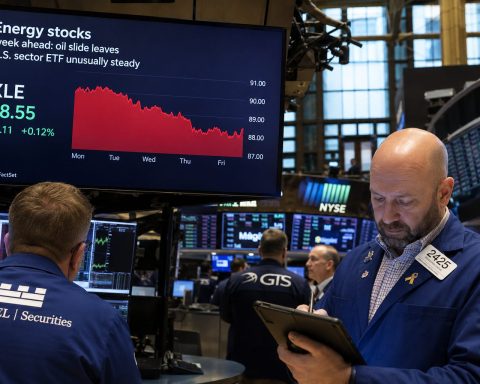
Crude oil prices climbed Friday as U.S. President Donald Trump revived threats against Iran, sparking concerns over potential supply disruptions in the Middle East. Adding to the pressure, a production outage in Kazakhstan tightened the market further. Brent crude for March delivery jumped 76 cents, or 1.2%, to $64.82 a barrel by 1026 GMT. Meanwhile, U.S. West Texas Intermediate crude rose 75 cents, or 1.3%, reaching $60.11.
The sharp rebound highlights crude’s current vulnerability to headline risk, as traders rapidly adjust the risk premium—the extra cost for potential supply disruptions. Price swings lately have hinged as much on geopolitical events and shipping routes as on the standard supply, demand, and inventory factors.
This matters for the market because the balance feels less certain than it did just a week ago. Supply risks have resurfaced, yet demand isn’t offering much reassurance. Meanwhile, continued U.S. stock builds could push the narrative back toward “too much oil.”
Thursday’s drop highlighted just how quickly that premium can vanish. Brent slipped $1.18, or 1.8%, closing at $64.06 a barrel. WTI lost $1.26, or 2.1%, ending at $59.36. The slide came after Trump eased earlier threats concerning Greenland and Iran, alongside investor optimism about potential progress toward resolving Russia’s war in Ukraine. Ole Hansen, Saxo Bank’s chief commodity analyst, described the move as a “deflation of risk premium.” Tony Sycamore at IG suggested prices might find support near $60 a barrel. On the other side, Aramco CEO Amin Nasser dismissed forecasts of a global oil glut as “seriously exaggerated.” Reuters
U.S. government figures piled on pressure amid geopolitical jitters. The Energy Information Administration reported commercial crude oil stocks climbed 3.6 million barrels, hitting 426.0 million barrels for the week ending Jan. 16. Gasoline supplies increased by 6.0 million barrels, while distillate fuel inventories rose 3.3 million barrels.
Bulls risk Friday’s rebound fading into just another one-day spike. Should tensions ease once more, or if the market warms to supply from sanctioned regions, traders might shed that premium fast, sending prices back toward this week’s lows.
Traders are set to focus on U.S. drilling activity for clues about domestic supply in the near term. The Baker Hughes U.S. oil rig count will be released at 1 p.m. ET on Friday. Last week’s figure stood at 410, according to Investing.com’s calendar.
Macro factors will linger in the background. The Federal Reserve’s upcoming policy meeting, scheduled for Jan. 27-28, will draw attention as a key moment for the dollar and overall risk appetite — with potential knock-on effects for commodities.
Looking ahead, OPEC+ has its next meeting set for Feb. 1. Traders are watching closely, eager for clues on whether the group expects the market to tighten or slide back into oversupply.
Right now, the market is fixated on just two questions: will the Middle East tensions actually cut supply, and is U.S. inventory and demand data signaling weaker consumption? The Fed’s decision on Jan. 28 and any geopolitical news over the weekend will probably dictate what happens next.
Related articles: TADAWUL:2222