BOSTON, Jan 26, 2026, 05:11 (EST)
- PJM reported generation outages approaching 21 GW, as cold weather and tight gas supplies slashed output
- Real-time wholesale power prices in Virginia’s data center-heavy region spiked past $1,800 per megawatt hour
- Grid operators stretching from New England down to Texas triggered emergency measures as demand surged past expectations
Power plant outages spiked across the eastern U.S. Sunday, sending wholesale electricity prices soaring. PJM Interconnection responded by directing certain customers to reduce consumption as Winter Storm Fern boosted demand and tightened fuel availability.
Price swings matter here because they strike utilities just as demand from homes and businesses peaks. Grid operators face the coldest part of the week with tighter margins for mistakes. In natural gas-reliant areas, pipeline bottlenecks and equipment failures can quickly turn a cold snap into a supply crunch.
These come amid a structural shift: data centers are pushing baseline demand higher in parts of the Mid-Atlantic, especially northern Virginia. The grid is struggling to handle that extra load when weather disrupts generation and reduces solar output.
PJM, the biggest regional grid in the U.S., covering 67 million people across the East and Mid-Atlantic, reported nearly 21 gigawatts of generation offline on Sunday, mostly forced outages. That represented roughly 16% of PJM’s Sunday afternoon demand, which stood at 127.4 GW, the grid operator said.
On Sunday afternoon, PJM issued a pre-emergency order, calling on certain customers in its curtailment program to cut back on electricity use. These customers receive payments for reducing consumption during peak times—a demand response tool grids rely on to balance supply and demand.
The pressure wasn’t only from demand. Natural gas supplies to the region can get tight during prolonged cold spells. PJM’s flexibility has also shrunk compared to a few years back, hit by power plant retirements and growing demand from data centers, Reuters and experts reported.
Prices spelled it out. Grid operators showed wholesale power prices in PJM, New York, and New England surging to about $400 to $700 on Sunday afternoon. At the same time, real-time wholesale electricity in Dominion Energy’s Virginia market shot past $1,800 per megawatt hour (MWh), the common measure for power trading.
Gas shortages in New England forced the region to rely more heavily on oil for power generation. ISO New England noted fuel oil accounted for nearly 40% of output at times on Sunday, while natural gas dropped to roughly 30%. The operator also flagged “abnormal conditions” and reported surplus capacity shrinking to around 1.1 GW, tightening reserves in case additional plants go offline.
On Saturday morning, PJM saw spot wholesale power prices briefly spike above $3,000 per MWh, while ISO New England’s spot prices climbed toward $600 per MWh as the cold snap hit. Georg Rute, CEO of grid software company Gridraven, noted that older plants kicking in during these “super-high prices” signals grid stress. Reuters
Grid stress also emerged in other systems hit by the same weather. The Midcontinent Independent System Operator, covering 15 U.S. states plus Manitoba, cut back on exports and urged plants to ramp up output amid gas supply limits and freezing disruptions, Reuters reported.
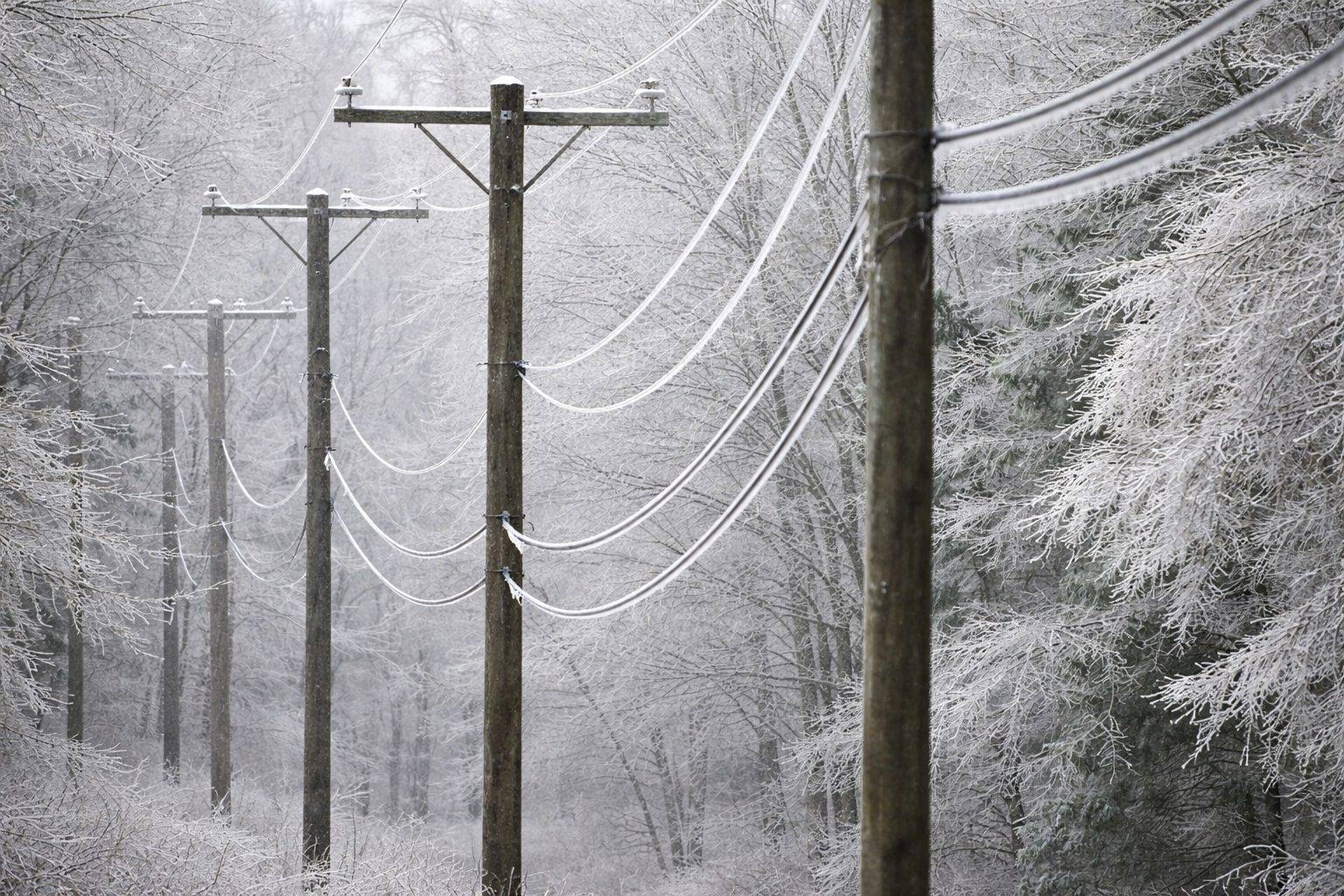
The storm’s impact went beyond high-voltage grids. Ice and snow knocked out power to nearly 1 million customers on Sunday, PowerOutage.us reported. The hardest hit areas included Tennessee, Mississippi, Texas, and Louisiana, where local distribution lines took the brunt of the damage.
Texas was gearing up for a tough stretch. ERCOT projected peak demand hitting 85.1 GW Monday morning, while seasonal capacity hovers around 100 GW. The day-ahead market even signaled prices might spike above $1,000 per MWh at times, per the operator and Reuters.
But the squeeze might tighten further. Additional forced outages, a colder-than-anticipated aftermath from the storm, or ice damage delaying repairs could push some grids toward rotating outages—particularly in areas already stretched thin on gas delivery and transmission. S&P Global’s Matthew Palmer cautioned that “the risk isn’t over” as the cold persists.
Beyond the control room, the gas system is a weak link. Didi Caldwell, founder and CEO of site-selection firm Global Location Strategies, pointed out that the U.S. doesn’t have “sufficient capacity” to store and deliver gas on demand. She also cautioned that many gas plants operate with “little to no practical backup” if pipelines or infrastructure fail during severe weather. foxbusiness.com