
Singapore, Jan 27, 2026, 15:00 SGT — Regular session
Shares of Yangzijiang Shipbuilding (Holdings) Ltd rose 0.6% to S$3.33 by mid-afternoon Tuesday, tracking the stronger Singapore market ahead of the U.S. Federal Reserve’s policy announcement. The stock fluctuated between S$3.31 and S$3.40, still within striking distance of its 52-week peak at S$3.75, according to market data. The shipbuilder is set to release its next earnings report on March 4.
Yangzijiang stood out as one of the busiest blue-chip stocks early on, right after the Straits Times Index pushed past 4,900 for the first time. According to The Business Times, the benchmark hit a fresh intraday peak at 4,912.46 during morning trade. Yangzijiang climbed 1.2% to S$3.35, ranking among the top-traded STI shares.
Some 15.2 million shares of Yangzijiang traded hands, up from roughly 12.0 million on Monday, MarketScreener data show. Despite Tuesday’s rebound, the stock has dipped about 4.3% over the last five sessions after several days of losses.
The counter reached a record peak of S$3.75 on Jan. 14, according to TradingView data, but has slipped back since. The stock now clings near the S$3.30 mark, a zone that traders repeatedly test.
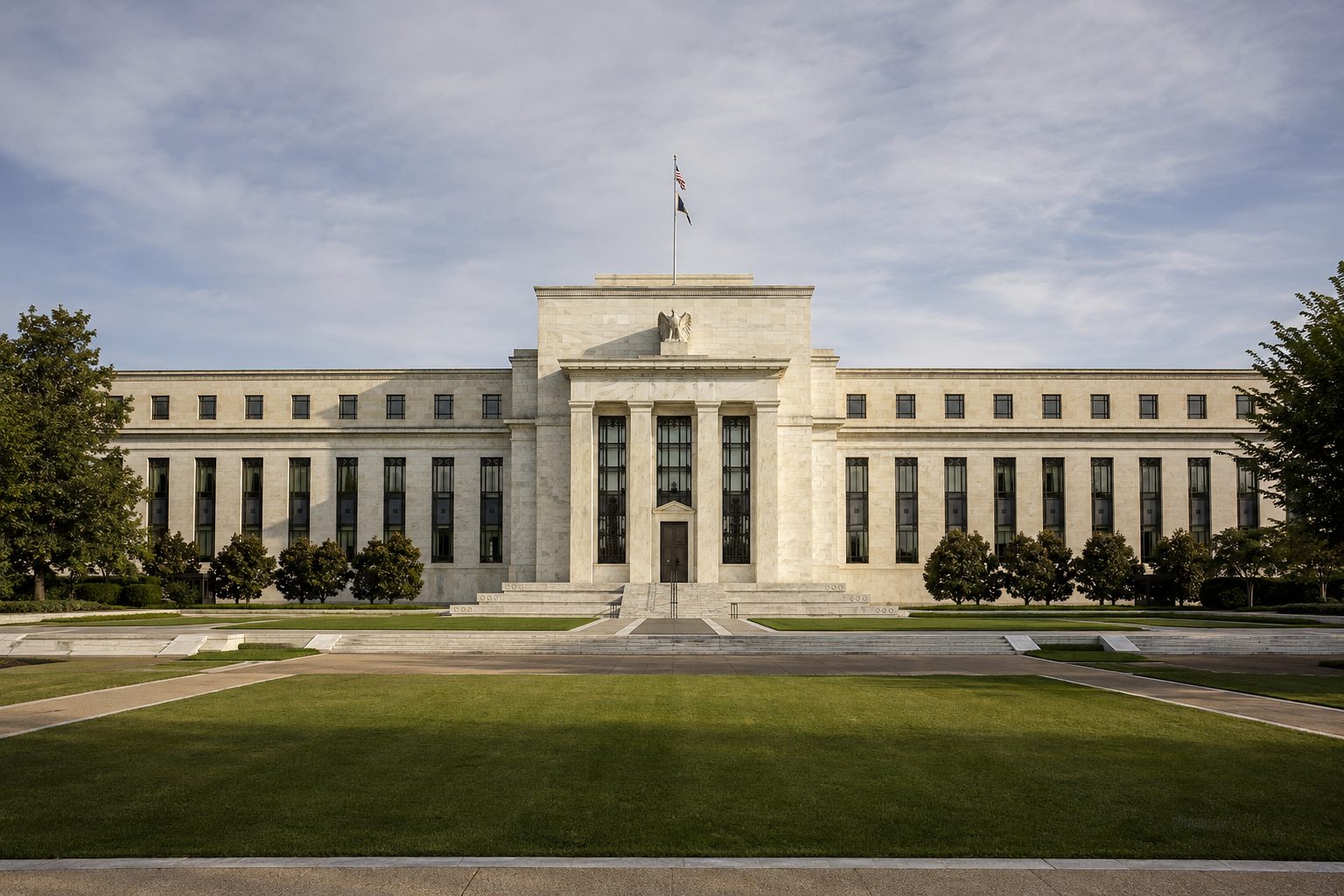
Right now, the macro calendar is driving the action. The Fed wraps up its two-day meeting on Jan. 28, with a press conference set to follow the policy statement, per the central bank’s official schedule.
Yangzijiang constructs commercial vessels and marine gear, while its shipping division generates revenue from charter hire, according to Reuters profile data. Earnings fluctuate based on contract awards and delivery schedules, given the lengthy timelines typical in shipbuilding.
That makes the orderbook—the list of contracted but undelivered ships—a key focus whenever the share price reacts to macro headlines. When results come out in March, investors will be hunting for clues on new orders, cancellations, and margins.
Rates play a role as well. Steady policy expectations help sustain appetite for cyclical industrials, but a slight shock from U.S. data or Fed signals could quickly reverse the trade.
Shipbuilders face their own challenges. A slump in freight rates can dampen appetite for new vessels. Meanwhile, rising steel prices or adverse currency swings can eat into profits, even if the yards remain busy.
As the session winds down, eyes turn to whether Yangzijiang can maintain its gains amid thinning volume. The real tests lie ahead: Wednesday’s Fed decision and Powell’s comments, followed by Yangzijiang’s earnings report on March 4.
Related articles: Stock Market