New York, Jan 29, 2026, 11:20 ET — During the regular session
- LLY shares rise roughly 0.5% following Repertoire’s announcement of an autoimmune partnership worth as much as $1.93 billion
- The agreement comes after a $1.12 billion gene-editing deal targeting hearing loss, unveiled Wednesday
- Traders are also watching Medicare’s plan to include Trulicity in upcoming price negotiations. Lilly’s earnings report is due on Feb. 4.
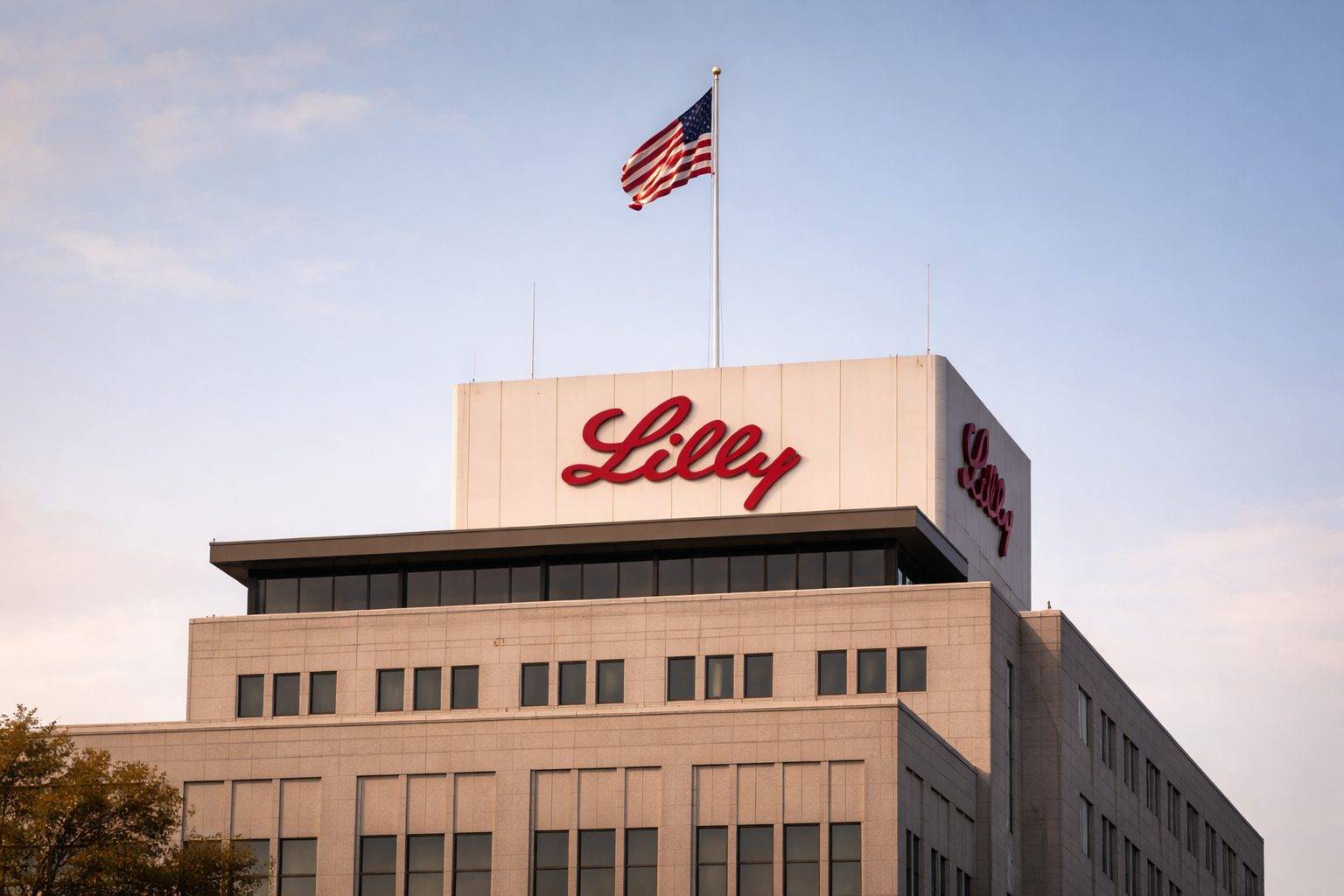
Eli Lilly shares climbed Thursday after Repertoire Immune Medicines announced a partnership with the drugmaker worth up to $1.93 billion, including an $85 million upfront payment, plus milestone and royalty fees. Lilly was up 0.5% at $1,028.89 in late morning trading, while the S&P 500 slipped about 1.4%. Repertoire will lead early research using its Decode platform, which explores how T cells attack diseased cells, before Lilly takes the programs to the clinic and eventually the market.
The deal arrives amid investor skepticism about whether Lilly’s growth can sustain beyond the surge from its obesity and diabetes treatments. Its GLP-1 drugs — designed to reduce blood sugar and suppress appetite — have driven much of the stock’s recent rally, raising expectations for any upcoming products.
The focus has turned. How quickly can Lilly roll out its next lineup, and what pricing pressure will the older drugs face as Washington ramps up its crackdown on drug costs?
On Wednesday, Lilly agreed to pay up to $1.12 billion to privately held Seamless Therapeutics for rights to a gene-editing platform targeting hearing loss, the German startup said. Seamless CEO Albert Seymour described the deal as “a way for us to work with the platform … but continue our own internal program.” The technology involves programmable recombinases—enzymes that rewrite DNA at specific sites—with Lilly responsible for moving the program from preclinical stages through to commercialization. Reuters
The policy environment has grown stricter. The U.S. government included Lilly’s diabetes medication Trulicity in a fresh round of Medicare price negotiations set to begin in 2028. This move stems from the Inflation Reduction Act, which empowers Medicare to push for lower drug prices. BMO Capital Markets analyst Evan Seigerman commented that he believes “the impacts will be manageable.” According to CMS, the 15 drugs chosen accounted for $27 billion in Medicare spending during the 12 months ending Oct. 31, 2025. Reuters
The battle in obesity drugs is heating up. Novo Nordisk shelled out close to $500 million on U.S. ads for Wegovy and Ozempic during the first nine months of 2025, more than twice Lilly’s spend of about $214 million for Zepbound and Mounjaro, according to MediaRadar data reviewed by Reuters. “When it comes to weight loss, Lilly has that edge with Zepbound,” said Rajiv Leventhal, senior analyst at Emarketer. Reuters
However, most of these partnerships’ headline figures are heavily back-end loaded, and early-stage science often fizzles out without much notice. If Lilly hits a snag with pricing or demand in its established diabetes lineup, it could squeeze the budget, reducing the chances for costly gambles to succeed.
Investors face a key milestone on Feb. 4, when Lilly will release its fourth-quarter results and host a conference call at 10 a.m. Eastern. The company’s guidance on 2026 sales for Zepbound and Mounjaro, plus how quickly it plans to invest in new platforms, should shape the stock’s direction heading into next week.