
New York, Jan 29, 2026, 16:04 EST — After-hours
- Tesla shares dropped roughly 3.7% during regular trading, reversing an initial spike
- Company set 2026 capital spending to exceed $20 billion, focused on robotaxis and robots
- Investors are focusing on timelines, cash burn, and regulatory challenges surrounding “no wheel, no pedals” vehicles
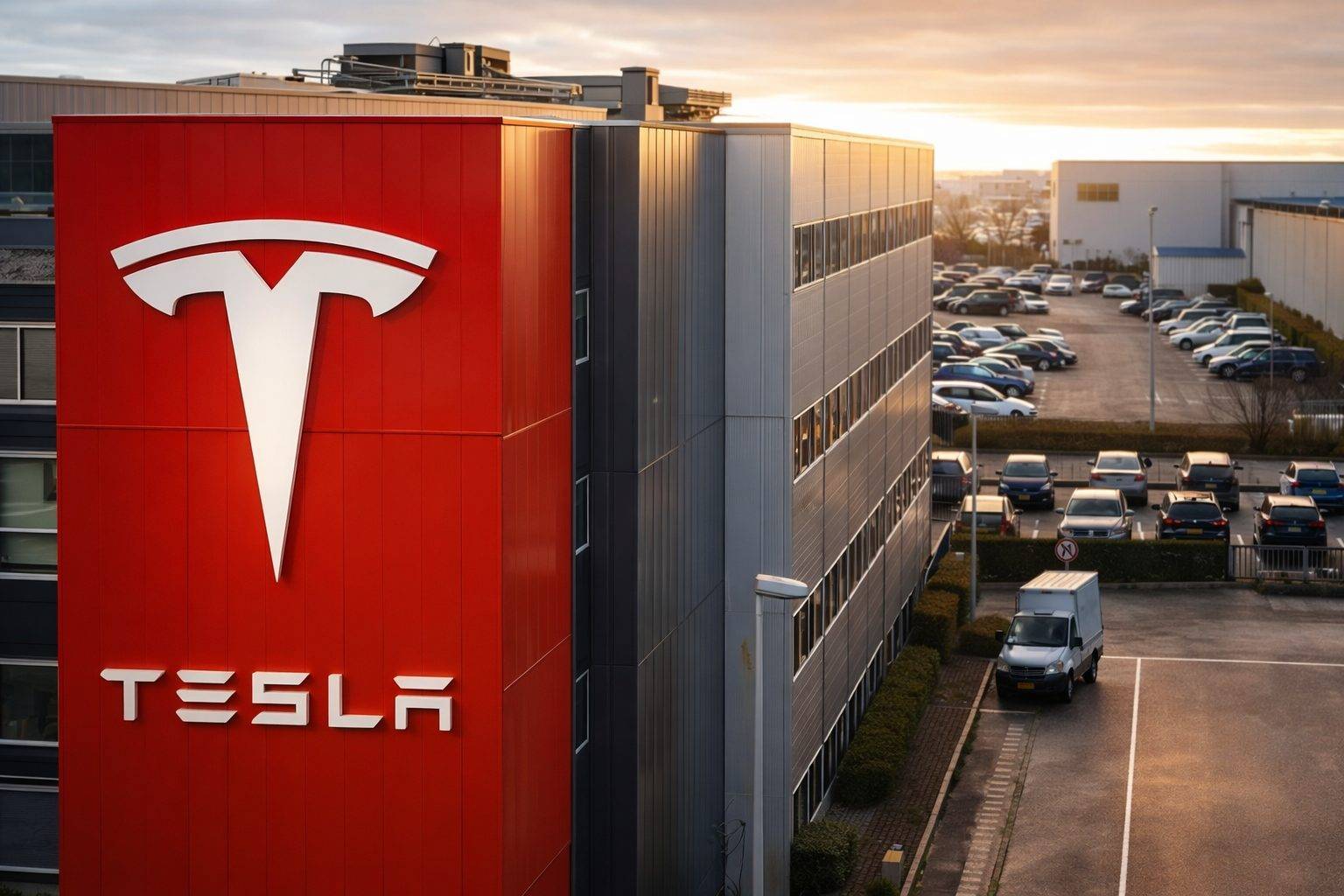
Tesla shares fell on Thursday following an initial surge, as investors digested the company’s deeper push into autonomy and robotics—and the higher costs that come with it. The stock dropped 3.7% to $415.6 by the close, having fluctuated between $445.1 and $415.0 during the day.
This move is significant as Tesla’s narrative is evolving once more, with the market scrambling to adjust its valuation on the fly. While car sales continue, much of the company’s high valuation depends on its ability to build a scalable business around self-driving software and a robotaxi network.
The near-term question for traders is straightforward: how much spending will it take to reach those targets, and how quickly will the milestones come? At the moment, investors seem less focused on a straightforward “deliveries beat/miss” narrative and more on factory expansions, compute capacity, and regulatory advances.
Tesla’s latest quarterly update highlighted a mixed bag. Fourth-quarter revenue slipped 3% to $24.9 billion, while net income tied to shareholders plunged 61% to $840 million. On the upside, energy generation and storage revenue climbed 25% to $3.84 billion. The company reported delivering 418,227 vehicles during the quarter and closed 2025 with $44.1 billion in cash and investments. Active subscriptions to its Full Self-Driving (Supervised) package grew to 1.1 million.
During the earnings call, Tesla revealed a $2 billion stake in Elon Musk’s AI venture xAI and confirmed that Cybercab production remains scheduled for this year. Thomas Monteiro, senior analyst at Investing.com, noted that the shift focuses investors more on “rollout metrics — not deliveries” when it comes to the stock. Reuters
The spending plan shook the market on Thursday. Tesla intends to more than double its capital expenditures, pushing them past $20 billion in 2026. Most of that budget will fund production lines for the Cybercab, Optimus humanoid robots, the long-awaited Semi truck, and battery and lithium projects, Reuters reported. Scott Acheychek, COO at REX Financial, called it “the business model transition now underway,” while Zacks strategist Andrew Rocco labeled the spending as “necessary.” Reuters
The downside is straightforward. Higher capital spending could tighten free cash flow, and robotaxis face regulatory hurdles—especially around Musk’s Cybercab design, which lacks a steering wheel and pedals. Meanwhile, fierce EV competition continues to weigh on prices.
Some investors fret Tesla is spreading itself too thin—juggling autonomy, robots, batteries, and now a formal tie to xAI. Musk has a history of missing self-driving deadlines, and a delayed timeline would force Tesla to rely more heavily on its car division just as competitors launch fresh models.
Traders are digging deeper than the earnings headline. Tesla filed its annual report and an 8-K on Wednesday, documents that often reveal extra details on funding, risks, and related-party transactions that could shift sentiment post-call.
Investors will be keeping an eye on Tesla to see if it holds steady in Friday’s trading, as analysts adjust their forecasts to reflect the updated capex baseline. Meanwhile, U.S. producer price data drops at 8:30 a.m. ET on Jan. 30. That report could move rate-sensitive growth stocks such as Tesla, depending on how it affects interest rate expectations.