
San Jose, May 26, 2026, 05:04 PDT
Daiwa Securities bumped up Bloom Energy (BE.N) to Outperform from Hold and raised its target to $324, up from $98, backing a name that’s already seeing new attention as AI power demand grows. Daiwa pointed to a shift in orders, capacity, and margins, according to market reports out after the call.
Markets were closed Monday, May 25, for Memorial Day. U.S. trading gets back to normal Tuesday, but premarket on Nasdaq kicked off at 4:00 a.m. ET and keeps going until 9:30 a.m. ET. Bloom ended May 22 at $302.49, but StockAnalysis had it quoted at $314.00 in premarket by 7:56 a.m. ET.
Speed, not just clean energy, is catching investor attention. Bloom and Nebius Group are touting their deal as a way to reduce dependence on new transmission lines and send electricity faster to AI data centers. Power is now a hard limit for these sites.
Bloom Energy and Nebius signed a master fuel-cell capacity deal on May 14, according to a Nebius filing. The agreement calls for Bloom to install, run and maintain power supply systems for Nebius, planning roughly 250 MW of guaranteed capacity and up to 328 MW installed in three 10-year supply arrangements. Nebius could pay as much as $2.6 billion in monthly service fees across the term, depending on conditions.
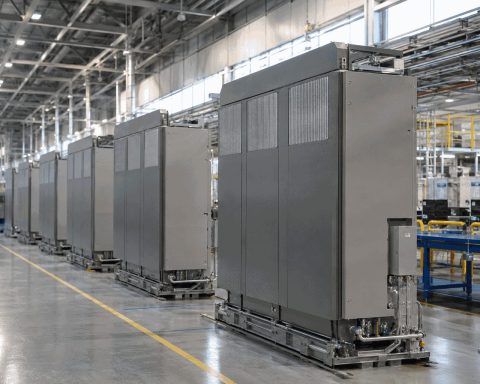
Behind-the-meter power refers to electricity produced onsite, instead of being sourced from the grid. Bloom uses solid oxide fuel cells that make electricity without burning fuel. The first Nebius site should be up this year, the companies said, cutting out planned gas turbines.
Power is still a sticking point for AI infrastructure, Nebius infrastructure chief Andrey Korolenko said Monday in the announcement from the companies. Bloom Chief Commercial Officer Aman Joshi said AI workloads depend on power setups that can handle the same scale as the cloud platforms.
Nebius is among newer AI infrastructure firms, or so-called neoclouds, selling graphics-processing and AI-ready data-center services. Reuters puts both Nebius and CoreWeave in that category. Nebius is targeting big clients and more data-center space after getting a $2 billion investment from Nvidia, Reuters reported.
Demand is outpacing supply. Earlier this month Nebius reported first-quarter revenue up almost eight times. The company boosted its capex outlook to $20 billion to $25 billion, lifted from a previous $16 billion to $20 billion, and listed Meta Platforms and Microsoft as customers.
Bloom picked up a bigger AI power deal ahead of the Nebius news. Oracle said in April its Project Jupiter campus in Doña Ana County, New Mexico, will use Bloom fuel cells for as much as 2.45 gigawatts of capacity instead of gas turbines and diesel generators.
Bloom’s latest results gave analysts more data. First-quarter revenue came in at $751.1 million, a jump of 130.4% on the year. Product revenue was $653.3 million, up 208.4%. The company also raised its 2026 revenue target to a range of $3.4 billion to $3.8 billion.
Chief Executive K.R. Sridhar said Bloom is delivering “digital power for the digital age” as it aims to be a “go-to choice” for on-site power. Chief Financial Officer Simon Edwards said the company is leaning on its technology and execution as it grows. Securities and Exchange Commission
Barchart says 25 analysts track Bloom. Nine call it a strong buy, two see a moderate buy, 13 rate it hold, and one has a strong sell. The average price target comes in at $250.27, lower than where the stock finished May 22. Daiwa just set a $324 target, which moves toward the upper range.
Execution is the main risk. Nebius’s filing says the agreement still depends on certain start conditions. Bloom’s disclosures mention technical and operational issues in large power projects, funding requirements, and possible trouble converting backlog as planned. Simply Wall St wrote on May 24 that while the Nebius deal helps the growth story, it bumps up Bloom’s exposure to delivery risk and the data-center cycle.
Related articles: NYSE:BE