NEW YORK, February 6, 2026, 06:36 EST — Premarket
- U.S. gasoline futures ticked up in early trading following Thursday’s drop driven by crude
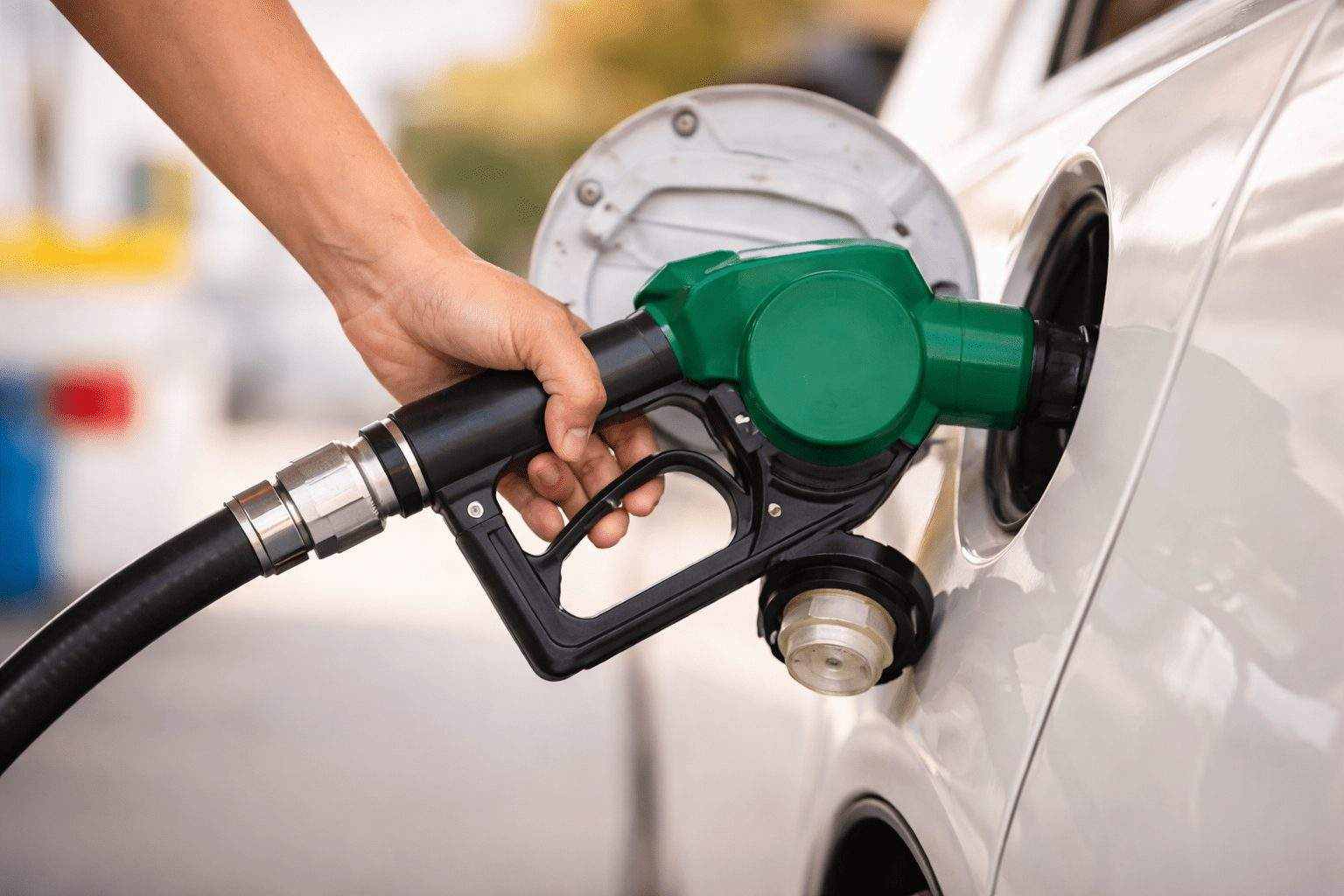
- Pump prices stayed close to $2.90 a gallon, leaving inflation watchers alert for any sudden spikes
- U.S. gasoline inventories climbed last week despite a drop in crude stocks, sending mixed signals to refiners
U.S. gasoline prices held steady Friday morning, while wholesale futures inched higher as traders awaited updates from U.S.-Iran talks that have sparked volatile moves throughout the energy sector.
Timing is crucial. Gasoline is what consumers notice daily, and sudden shifts in wholesale prices often take time to show up at the pump. This delay muddies the inflation outlook right when markets are trying to gauge demand.
Politics is driving the action once more. When supply risks flare up in the Middle East, crude prices can spike quickly — and gasoline usually tags along, regardless of how stable U.S. inventories appear.
NYMEX RBOB gasoline futures for March, the key U.S. benchmark, climbed 0.43% to $1.9349 per gallon as of 6:36 a.m. EST, following a previous close of $1.9266, according to Investing.com data.
Oil prices barely budged as investors kept an eye on the U.S.-Iran negotiations unfolding in Oman. Brent crude inched up 0.1% to $67.62 a barrel, while U.S. West Texas Intermediate also rose 0.1% to $63.36, Reuters reported. “Investors are watching the U.S.-Iran talks,” said Tamas Varga, an oil analyst at PVM. Still, Capital Economics cautioned that if geopolitical tensions ease, “weak fundamentals” could drag prices down. Reuters
The day before, crude prices dropped nearly 3% after Washington and Tehran agreed to hold talks, easing short-term supply concerns. “We still don’t know what the outcome will be,” said Phil Flynn, senior analyst at Price Futures Group. Meanwhile, Aegis Hedging highlighted “uncertainty” as traders balanced the risk of escalation against diplomacy. Reuters
U.S. stock data sent mixed signals. Total motor gasoline inventories climbed 0.7 million barrels last week, standing roughly 4% above the five-year average. At the same time, refineries operated at 90.5% capacity, with gasoline production averaging 9.0 million barrels per day, according to the U.S. Energy Information Administration’s weekly report.
AAA’s daily gauge showed the national average for regular gasoline at the pump hit $2.900 a gallon Friday, edging up from $2.891 the previous day.
Wholesale spot gasoline in New York Harbor ended Feb. 4 at $2.16 a gallon, rising 1.1% from the previous day, according to the EIA’s daily price data. Meanwhile, the Gulf Coast 3-2-1 “crack spread,” a key measure of refinery margins, slid 5.8% to $22.24 a barrel. U.S. Energy Information Administration
Some analysts believe the market remains priced for insurance. Oil analyst Muyu Xu of Kpler told Reuters she doubts Iran will accept U.S. demands, warning that tensions over conflict risk could keep prices elevated.
But the risk is obvious. Should the Oman talks ease tensions and supply continue to rise, gasoline’s geopolitical premium could vanish fast — and the recent inventory build isn’t the sort of figure bulls want to confront.
Traders are zeroing in on two clear markers: any solid outcome from Friday’s U.S.-Iran talks, and the EIA’s weekly petroleum report set for Feb. 11.