
LONDON, Feb 6, 2026, 11:40 (GMT) — Regular session
- By 1055 GMT, Brent climbed 7 cents to $67.62 a barrel; WTI also gained 7 cents, hitting $63.36
- Traders kept an eye on U.S.-Iran talks in Oman, zeroing in on the Strait of Hormuz
- Saudi Aramco lowered its March Arab Light price to Asia, matching Oman/Dubai levels, a sign of weaker immediate demand
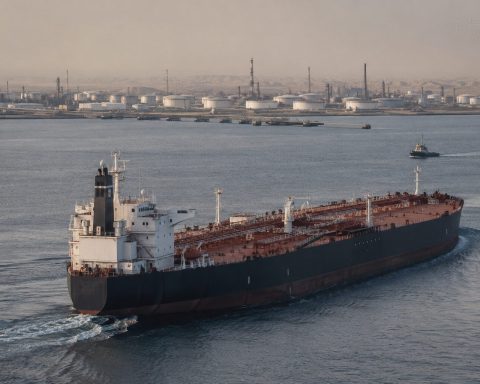
Brent crude futures barely budged on Friday as traders awaited news from U.S.-Iran talks in Oman. Brent inched up 7 cents to $67.62 a barrel, while U.S. West Texas Intermediate (WTI) also gained 7 cents, trading at $63.36 by 1055 GMT. Brent is on track for a 4.3% weekly drop—its first since mid-December. The Strait of Hormuz, through which about 20% of global oil passes, remains a focal point for any disruption concerns. “Investors are watching the U.S.-Iran talks,” said Tamas Varga, oil analyst at PVM. Capital Economics warned that geopolitical worries might give way to “weak fundamentals,” potentially driving prices down to $50 a barrel by the end of 2026. Reuters
The talks have turned into the market’s immediate pivot point. A deal would swiftly erase some of the risk premium; a collapse would send it soaring just as fast.
Meanwhile, supply pressure is mounting. Saudi Aramco slashed the official selling price (OSP) for March Arab Light crude to Asia, bringing it down to parity with the Oman/Dubai average. That’s a sharp drop from February’s 30-cent premium and marks the lowest level since December 2020, the company said — a move that typically influences pricing for Iranian, Kuwaiti, and Iraqi grades heading to Asia. “We view the cut as constructive for Dubai time-spreads,” said Richard Jones, crude analyst at Energy Aspects, noting the Dubai market has flipped into contango, with later-dated supplies trading above prompt cargoes, signaling weaker urgency for immediate barrels. Zawya
Iran and the United States kicked off indirect talks in Muscat on Friday, with Oman stepping in as mediator. The agenda, however, is proving difficult to settle. U.S. Secretary of State Marco Rubio insists Washington wants to link the nuclear deal to Iran’s missile program and backing of regional allies—demands Tehran firmly rejects.
U.S. inventory figures provided some support. Commercial crude supplies, excluding the Strategic Petroleum Reserve — the government’s emergency buffer — dropped 3.5 million barrels to 420.3 million barrels in the week ending Jan. 30, the Energy Information Administration reported. Gasoline inventories inched up by 0.7 million barrels, while distillate stocks declined 5.6 million barrels.
Crude prices moved in step with broader market sentiment. Global stocks dipped Friday on renewed concerns over hefty AI investments and the U.S. economic outlook, pushing investors to bet on looser U.S. monetary policy and a weaker dollar.
Still, the oil market has failed to sustain rallies this week. Traders keep pointing to one thing: supply is climbing, while demand remains muted.
Still, the tape hangs on every headline. Any slip in the Oman talks or a flare-up near Gulf shipping risks reigniting the fear trade and pushing prices higher. On the other hand, a breakthrough might shift attention back to supply worries, leaving crude vulnerable once more.
Next in line are updates from Muscat and the upcoming U.S. inventory report, set for Feb. 11.
Related articles: Energy Markets