
LONDON, Feb 6, 2026, 11:33 GMT — Regular session
- Brent rose 7 cents to $67.62 a barrel by 1055 GMT but is on track for a weekly decline
- After a week of rapid-fire developments in the Gulf, attention now shifts to U.S.-Iran talks underway in Oman
- Saudi Aramco reduced its March Arab Light OSP for Asia; meanwhile, U.S. crude inventories dropped by 3.5 million barrels
Brent crude futures edged up slightly on Friday ahead of U.S.-Iran talks in Oman, though the contract was on track for its first weekly drop since mid-December. By 1055 GMT, Brent had gained 7 cents, or 0.1%, settling at $67.62 a barrel. U.S. WTI rose 7 cents to $63.36.
This meeting is crucial because it strikes at the heart of where geopolitics can overshadow supply-and-demand dynamics. One headline can push oil prices up by a few dollars, only for them to tumble back down just as fast.
Meanwhile, the physical market is quieter, hinting at ample supply. Saudi Arabia cut prices for Asia, while U.S. inventory figures revealed a crude draw. Traders are left juggling these mixed signals heading into the weekend.
“The two sides remain well apart, keeping tensions high,” wrote Daniel Hynes, analyst at ANZ. “That suggests the geopolitical risk premium will stick around.” This risk premium reflects the added cost traders factor into crude prices to hedge against potential supply disruptions. Arab News
Negotiators remain deadlocked on Oman’s agenda. Iran insists on sticking to nuclear topics, while Washington wants to expand the talks, the report revealed. This standoff has left markets nervous, quickly erasing any gains.
Saudi Aramco slashed its official selling price (OSP) for March-loading Arab Light crude to Asia, aligning it with the Oman/Dubai average after a $0.30-per-barrel premium in February, the company announced. According to Reuters data, the March OSP marks the lowest level since December 2020.
The Energy Information Administration reported that U.S. commercial crude inventories, excluding the Strategic Petroleum Reserve, dropped 3.5 million barrels to 420.3 million. This puts stocks roughly 4% under the five-year average for this season, according to the agency’s weekly report.
Brent closed Thursday at $67.55, slipping 2.75% after a volatile start to the week. On Friday, prices fluctuated between $66.87 and $68.82, per data from Investing.com.
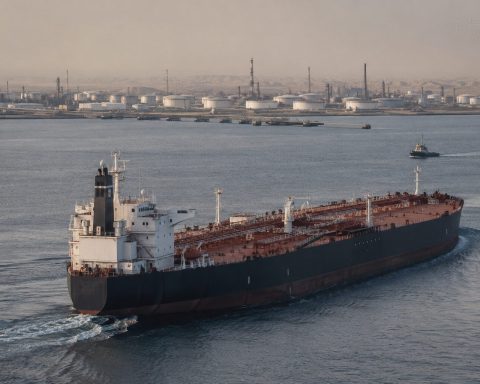
Brent crude jumped 3.16% on Wednesday, closing at $69.46, after reports hinted the Oman talks might fall apart. Ajay Parmar, ICIS’s director of energy and refining, warned that a hot conflict in Iran could threaten its 3.4 million barrels per day supply. He also pointed to the Strait of Hormuz, a critical bottleneck carrying about 20% of the world’s oil liquids.
However, it cuts both ways. Should diplomacy succeed, the geopolitical premium could vanish fast, pushing the market back toward fundamentals that many traders consider weak.
Related articles: Energy Markets