
Riyadh, Feb 8, 2026, 17:33 (GMT+3) — The market has closed.
Shares of Saudi Arabian Oil Co (2222.SE) slipped 0.39% to close at 25.50 riyals on Sunday, shaving off 10 halalas as the Saudi market finished its opening session for the week. According to Saudi Exchange data, the stock ranged from 25.46 up to 25.68, with roughly 6.35 million shares traded.
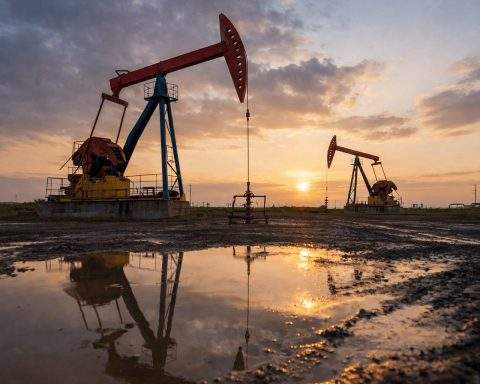
This shift barely registers, but it carries weight—Aramco’s the giant, and its numbers echo crude, which keeps swinging on supply-demand signals and geopolitical headlines.
Saudi Arabia’s main index eked out a 0.3% gain, lifted by a less tense backdrop in U.S.-Iran diplomatic signals, though Aramco shares ended down. “Previous geopolitical pressures” have subsided for now, according to XTB MENA analyst Milad Azar. Still, investors stayed on the sidelines, looking for more fourth-quarter numbers from key regional players. Reuters
Oil’s still calling the shots. Brent finished Friday at $68.05 a barrel, gaining 0.74%, after U.S.-Iran discussions brokered by Oman wrapped up with major differences unresolved. “It’s better one day or even one hour then worse the next,” said John Kilduff, partner at Again Capital. Reuters
Aramco’s price signals are shifting too. For March, the company pegged its Arab Light crude OSP to Asia right at the Oman/Dubai average, dropping it from a $0.30-a-barrel premium seen in February, as per an Aramco statement quoted in media reports.
OSP, set each month by Aramco for its term buyers, acts as a pricing “spread” against regional benchmarks. For traders, those numbers serve as a rough read on how the kingdom views demand, especially in Asia, which remains Aramco’s main market.
Politics are tangled. On Sunday, Iran’s foreign minister made clear that Tehran rejects any agreement blocking uranium enrichment inside the country, adding there’s still no date or location set for the next round of talks.
Israeli Prime Minister Benjamin Netanyahu is slated to sit down with U.S. President Donald Trump in Washington this Wednesday, Reuters said, with Iran squarely on the agenda. Whatever tone emerges from that conversation could jolt crude risk premiums—and with them, Aramco.
Oil traders won’t have to wait long for fresh numbers. The U.S. Energy Information Administration puts out its Short-Term Energy Outlook on Feb. 10, with the International Energy Agency’s Oil Market Report following Feb. 12.
For Aramco investors, the risk is clear. Should diplomatic efforts ease disruption fears, crude prices could shed their risk premium and pull the whole sector lower. On the other hand, a flare-up in tensions might send oil sharply higher — though such a rally usually brings broad risk-off moves that weigh on stocks across the board.
Monday brings Saudi traders back, with crude prices still leading the action. Eyes now turn to OPEC’s Monthly Oil Market Report, set for release on Feb. 11.