
New York, February 8, 2026, 12:02 EST — The market’s final bell has sounded.
- Gold jumped 3.9% on Friday, trading close to $4,955 an ounce, while U.S. futures finished just under $4,980.
- CME raised margin requirements for both gold and silver once more, with volatility still running high.
- With the dollar and rates once again drawing attention, traders now look ahead to Feb. 11 payrolls and the Feb. 13 CPI release.
Gold is set to kick off the week just shy of $5,000 an ounce, following a strong Friday bounce. A weaker dollar and new geopolitical developments pulled buyers back into bullion.
Markets are closed for now, so attention turns to what’s ahead: the bounce faces its first challenge from U.S. data once trading picks up again.
The past two weeks haven’t just been about macro moves—leverage has taken center stage. Sharp price swings led exchanges to crank up risk controls, while some investors slashed positions. The result: choppier price action than normal.
Spot gold jumped 3.9% to $4,954.92 an ounce as of 2:18 p.m. ET on Friday, on track for a roughly 2% gain for the week. U.S. gold futures for April ended up 1.8% at $4,979.80. The dollar index slipped 0.2%. According to Jim Wyckoff, senior analyst at Kitco Metals, the action points to “perceived bargain hunting,” though he doubts gold will find fresh highs unless there’s a “major geopolitical trigger.” Meanwhile, Iran’s top diplomat described talks with the United States in Oman as a “good start,” a comment that kept safe-haven flows alive. Reuters
Silver, platinum, and palladium staged a rebound Friday, underscoring how precious metals have recently been behaving more like a unified risk trade than traditional safe-haven assets.
CME Group bumped up initial and maintenance margins for COMEX 100-ounce gold futures, hiking the requirement to 9% from 8% for certain accounts. It also increased margins for COMEX 5,000-ounce silver futures, moving those to 18% from 15%. The changes kick in after Friday’s close. Margins—cash deposits needed to keep futures trades open—often go up when exchanges see volatility pick up, as a buffer against potential defaults.
Physical gold demand moved unevenly during the latest volatility. Indian dealers this week asked for premiums as high as $70 an ounce over official domestic prices, a sharp drop from last week’s $153, as unpredictable swings kept shoppers on edge. “Buyers were confused by the price swings,” said one Mumbai-based jeweller. Chinese interest on the dips, though, held up “very good” before the Lunar New Year, according to Peter Fung, head of dealing at Wing Fung Precious Metals. Reuters
Strategists are calling gold’s resilience a sign of relative strength. “Gold is kind of holding its own and silver is caving in under the risk-off,” said Ilya Spivak, head of global macro at Tastylive, flagging wider pressure across risk assets. Dawn
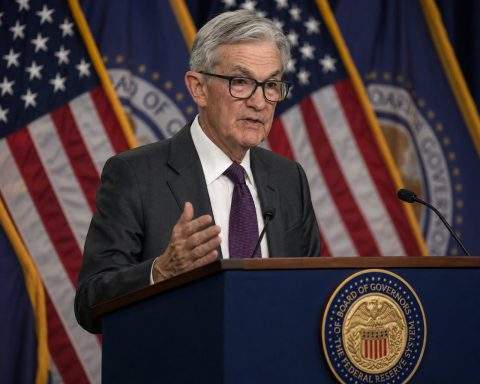
This week’s major signals: U.S. data delayed by the short government shutdown, with January payrolls landing Wednesday and CPI following Friday. On top of that, a handful of Federal Reserve officials are set to take the stage, adding fresh angles for traders beyond the metal trade.
January’s CPI numbers are set to drop Feb. 13, 8:30 a.m. ET, the Bureau of Labor Statistics shows on its release calendar.
Still, the recovery isn’t on solid ground. A strong inflation print or robust jobs data could push up the dollar and Treasury yields—moves that usually weigh on non-yielding gold. Sharper margin calls can also trigger fast selling, sometimes turning routine dips into sharper declines.
Asia reopens Monday, and all eyes are on bullion: does it hang onto that $5,000 mark, or get dragged back into last week’s turbulence? Following that, it’s Wednesday’s payrolls and Friday’s CPI that will really count.
Related articles: NASDAQ:CME