
LONDON, Feb 28, 2026, 12:44 GMT — Market closed.
- Weekend strikes in Iran put fresh pressure on LNG tanker routes and stoked energy supply jitters as markets prepared for Monday’s open.
- EU gas storage levels are running low for this late in the winter, exposing Europe to sharper price moves and the risk of cargo delays.
- European TTF and U.S. Henry Hub both closed out Friday in positive territory. Market participants are watching for any signs of a geopolitical risk premium heading into the next session.
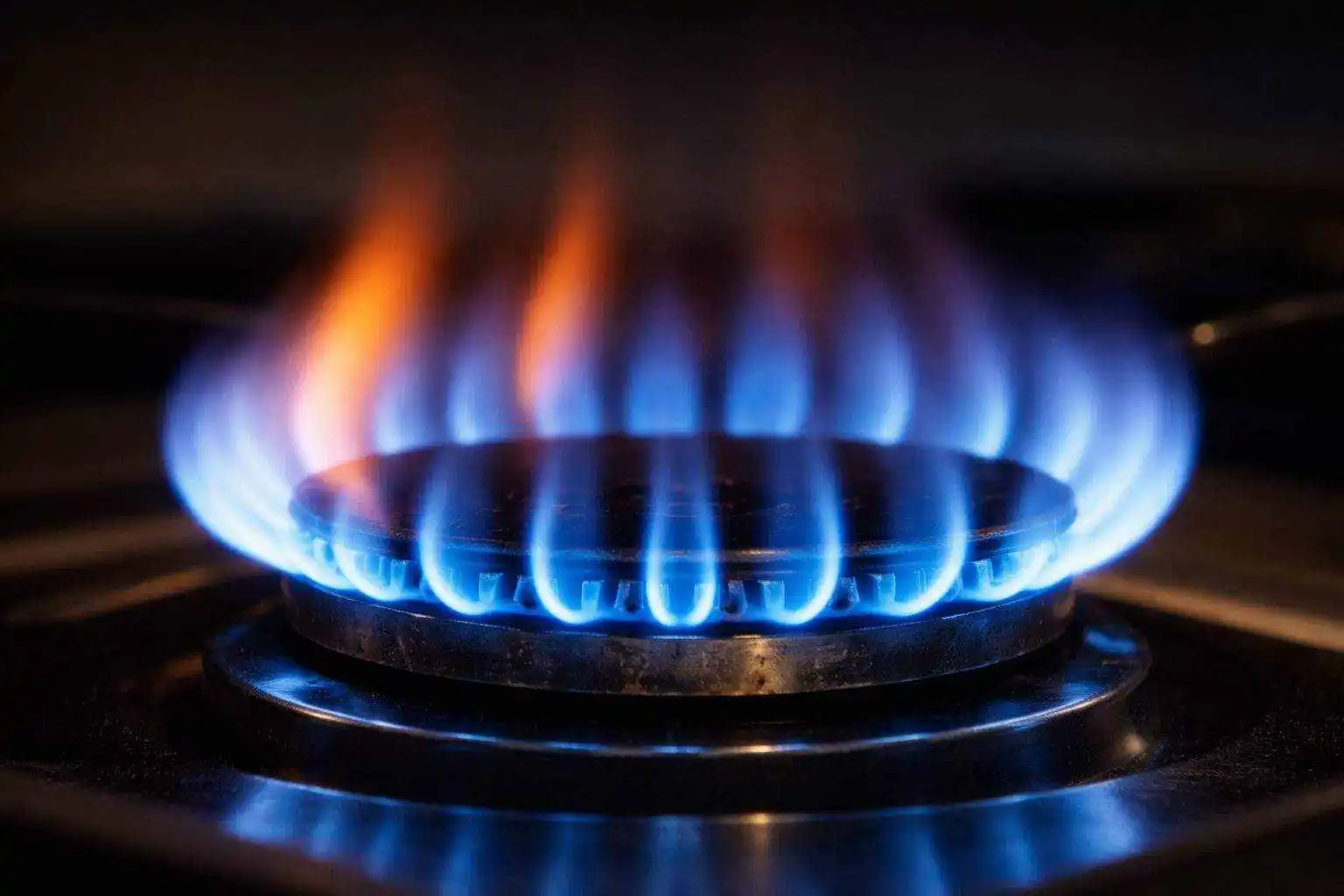
Natural gas traders are bracing for the possibility of a fresh risk premium as U.S. and Israeli forces hit Iran on Saturday, escalating a conflict that’s already put energy markets on edge. Gas futures are closed until Monday, so prices won’t update until trading kicks back in.
The Strait of Hormuz has become the key concern. This narrow waterway is the main exit for LNG — that’s liquefied natural gas transported by tanker — headed toward Europe and Asia. Greece’s shipping ministry, in an advisory viewed by Reuters, instructed all Greek-flagged ships to steer clear of the Persian Gulf, the Gulf of Oman, and the strait itself, calling for “maximum vigilance.” Reuters
Europe faces that risk with storage levels already thin. As of Feb. 27, EU gas inventories were down to 343.84 terawatt-hours, just 30.09% of capacity, according to Gas Infrastructure Europe.
Gas prices had already climbed on Friday, ahead of the strikes. Dutch TTF—the key European benchmark—settled at 32.43 euros per megawatt-hour, a gain of 1.69%. UK gas finished the session at 79.79 pence per therm, up 2.66%.
April Henry Hub futures finished the day at $2.859 per mmBtu, a gain of 1.06% for the U.S. gas benchmark.
Oil’s rally factors into the equation, especially for gas, which tends to move on the same headline-driven risk. Brent finished Friday at $72.48 a barrel. According to Barclays, the $3 to $5 per barrel risk premium—essentially insurance for potential supply shocks—could “fade quickly” absent any real disruption. Reuters
Producers across the Gulf are taking early steps to steady the market. According to sources cited by Reuters, Abu Dhabi plans to ship more Murban crude in April, while Saudi Arabia is also increasing production. The extra supply, TP ICAP’s Scott Shelton noted, might “create a short-term buffer” should tanker traffic avoid Hormuz. Reuters
When it comes to gas, it’s the flow of tankers, insurance terms, and port access that matter more than volumes from Iran. Disruption in the Strait of Hormuz threatens to squeeze spot LNG supply—and that’s enough to send European hub prices higher, regardless of how pipeline deliveries look.
LNG exports keep the U.S. market tied to the geopolitics game, siphoning gas from the local grid. Cheniere flagged a $370 million tax credit for burning LNG aboard its ships and wouldn’t comment further, putting shipping costs and fuel math back in focus for traders.
Longer-term LNG demand isn’t fading from focus, not with contracting still active. Venture Global inked a fresh 20-year supply agreement with South Korea’s Hanwha Aerospace on Friday, deliveries kicking off in 2030. The company’s contracted volumes now top 46 million tonnes a year, according to its statement.
Still, the gas rally could unravel just as quickly. Should hostilities remain localized, with shipping uninterrupted and Europe entering shoulder season when heating demand tapers off, that geopolitical premium might disappear almost overnight.
Oil markets open Sunday with OPEC+ on the docket, sources say, meeting after the Iran strike to weigh upping supply beyond earlier projections. If the group opts for a larger hike, that could pull crude prices lower and ease pressure across the energy sector.
Attention shifts to Monday’s open, with gas desks scanning for disruption headlines or signs of war-risk premiums that could quickly squeeze LNG cargo margins. Stateside, traders are eyeing Thursday, March 5, when the weekly storage report lands — a recurring data release that CME highlights as a major mover for gas futures.