
Doha, March 1, 2026, 11:27 AST — The market is closed.
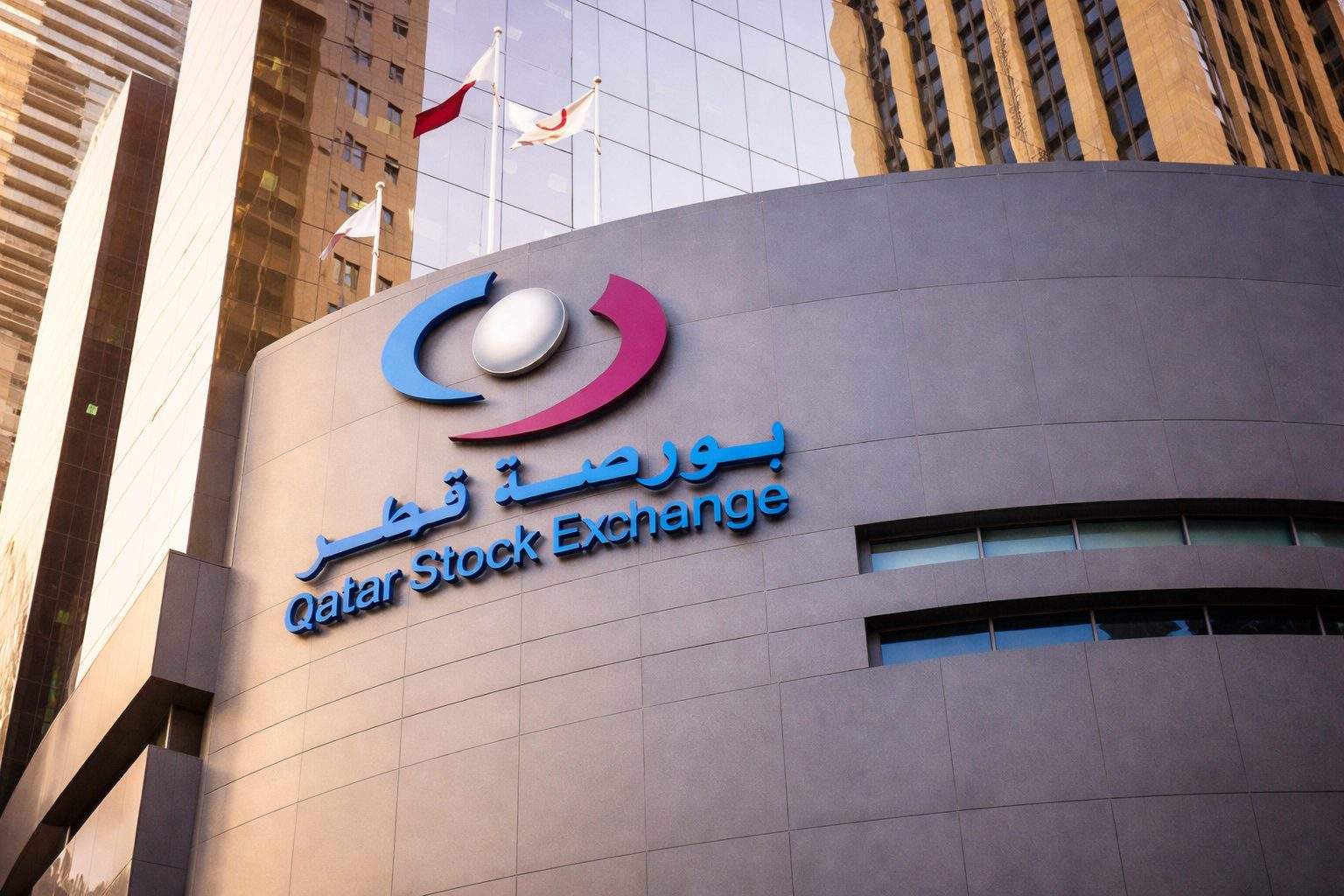
- Qatar’s stock exchange is closed Sunday due to a bank holiday. Trading will pick up again on Monday.
- The QE Index slipped 1.91% to finish at 11,055 points, capping off a sluggish week for local stocks.
- Regional security jitters, oil-driven market mood, and new funding headlines out of QIB are all on investors’ radar.
With Qatar’s stock exchange shuttered for a bank holiday on Sunday, investors won’t get a look at how regional turbulence might hit local prices until trading resumes Monday.
That’s significant: Doha’s market heads into the week following a steep Friday slide, while Gulf neighbors saw heavy selling on Sunday trading. Qatar’s exchange stayed shut. The gap could appear fast once the market opens again.
The QE Index dropped 1.91% to 11,055 points at the close. For the week, the gauge slipped roughly 1.55%. It wrapped up February in the red, though it remains higher year-to-date, a local media report said, quoting an investment manager.
Ramzi Qasmieh, investment manager at Qatar Securities Company, pegged the late-week slide to a cocktail of factors: geopolitics, some profit-taking, and index-driven moves, not to mention “ex-dividend” trading in major stocks — that’s when shares trade without entitlement to a recently declared payout. Qasmieh also flagged the MSCI review’s implementation, saying index-provider revisions can force passive funds to rebalance as changes hit. QNA
Gulf markets mostly slid on Sunday, following Israeli and U.S. strikes on Iran and Tehran’s retaliatory moves, according to Reuters. Investors weighed the possibility of broader fallout. Hani Abuagla, senior market analyst at XTB MENA, pointed to “heightened correction risk and volatility” as the conflict stokes a risk-off atmosphere, mentioning threats to shipping in the Strait of Hormuz. Barclays, for its part, lifted its Brent forecast to roughly $100 a barrel on Saturday, Reuters wrote. Reuters
Investors are watching Qatar Islamic Bank as it heads back to the international sukuk market. The lender announced a $750 million senior unsecured sukuk—essentially an Islamic bond—priced with a five-year tenor at a 4.402% profit rate, or 80 basis points over U.S. Treasuries. Demand ran high, with the order book reaching $1.7 billion. Chief executive Bassel Gamal called the issuance a sign of “the depth of global investor confidence” in Qatar’s economy. Rated A by Fitch, the sukuk will be listed on the London Stock Exchange’s International Securities Market, according to the bank. QNA
QatarEnergy bumped up March pump prices, according to QNA, putting diesel at 2.05 riyals per litre. Gasoline 95 is now priced at 1.90, while gasoline 91 comes in at 1.85. Investors are set to factor in the local price landscape.
As Qatar trading picks back up, watch that opening hour—it’s all about positioning. The QE Index usually moves with the banks and heavy industrials up front; near-term trends tend to mirror fund managers’ views on regional stability and those all-important oil-tied cash flows.
One big question is if the weekend’s security shock turns into something that disrupts real business — travel, logistics, shipping, even corporate visibility — or just fizzles out as a short-lived scare. There’s a risk on the downside: with liquidity thin coming out of a closure, moves can get exaggerated fast, particularly if foreign investors pull back from the Gulf all at once.
Next up for markets: Monday, March 2, when trading resumes. After that, headlines will zero in on fresh escalation risk, possible disruptions near the Strait of Hormuz, and whether the QE Index can stay above the 11,000 mark through the first full week of March.
Related articles: Stock Market