
London, March 2, 2026, 07:49 GMT — Premarket action shaping up.
- Shell finished the session at 3,073.5 pence, gaining 1.6%. Shares hovered close to their 52-week high.
- Brent crude surged up to 13% following disruption in the Strait of Hormuz.
- Traders eye shipping flows, track OPEC+ supply moves, and await Shell disclosures set for March 12-16.
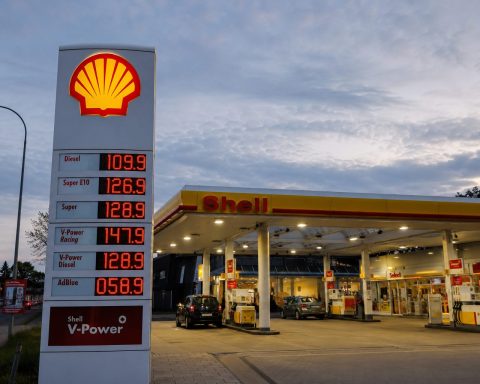
Shell SHEL.L heads into Monday’s London session with traders watching closely after oil prices surged on renewed turbulence in the Strait of Hormuz. Shares wrapped up Friday at 3,073.5 pence, marking a 1.6% gain—just under their 52-week peak.
That’s significant, since Shell’s cash generation—and what it sends back to shareholders—tracks oil and gas prices closely. A jolt in crude prices can force a rethink on buybacks and dividends well ahead of any official updates.
UK and European stock futures edged lower, as investors weighed pricier energy against a shakier appetite for risk. Energy sometimes props up the index during turbulence, though it almost never moves in isolation.
Brent crude surged as much as 13%, before settling up 7.4% at $78.28 a barrel by 0605 GMT, after attacks snarled shipping in the Strait. It’s a key artery, moving roughly a fifth of the world’s oil. “Markets are acknowledging the seriousness of the conflict, but are also signalling that, for now, this is a geopolitical shock, not a systemic crisis,” said Priyanka Sachdeva, senior analyst at Phillip Nova. More than 200 ships were anchored outside the Strait on Sunday, shipping trackers showed. Reuters
OPEC+, which brings together the Organization of the Petroleum Exporting Countries and partners like Russia, signed off on a 206,000 bpd output hike for April on Sunday. Still, Jorge Leon at Rystad Energy doesn’t expect the move to sway prices much, arguing, “prices will respond to developments in the Gulf and the status of shipping flows, not to a relatively small increase in output.” Over at UBS, Giovanni Staunovo notes Saudi Arabia holds most of the spare capacity, so for now, producers have limited room to ramp up quickly. Reuters
Oil’s rally shook other markets, pulling FTSE futures down 0.6% early on. U.S. and European stock futures slipped as well, according to Reuters. “The nearest historical analogue in our view is the Middle East oil embargo of the 1970s,” said Alan Gelder, senior vice president at Wood Mackenzie, adding that a supply shock can push crude prices sharply higher. Reuters
Shell’s been in the market for its own shares lately, lending a hand to the stock’s resilience. The company kicked off a $3.5 billion buyback program on Feb. 5, aiming to wrap it up ahead of its first-quarter results.
Shell picked up 891,347 shares for cancellation across UK and European exchanges, according to a regulatory update on Friday tied to its buyback program. Morgan Stanley & Co International, per the notice, will keep handling trades on its own through May 1.
Still, Monday’s setup is tricky. Should tanker traffic pick up again or governments dip into strategic reserves, crude prices—and energy stocks—could shed most of their recent gains. But if the disruption drags on, oil likely stays elevated, putting pressure on consumers and businesses, a squeeze that might eventually hit demand.
Shell’s annual report and Form 20-F both land on March 12, with an LNG outlook and portfolio update set for March 16. Investors will have to wait until May 7 for the next earnings and dividend call.
Related articles: Energy Sector