
Sydney, March 3, 2026, 16:59 AEDT — Market is shut.
- Fortescue ended the session 4.49% lower at A$19.58, trailing both BHP and Rio Tinto.
- Iron ore slipped, with traders caught between freight disruptions and signs of weaker demand.
- China’s factory PMI lands March 4, with Beijing’s policy targets coming a day later on March 5.
Fortescue Ltd FMG.AX finished Tuesday at A$19.58, down 4.49%, after touching a session low of A$19.54. BHP Group dropped 2.62%, while Rio Tinto slipped 2.40%.
It’s a significant shift—Fortescue stands out as the ASX name most tightly linked to iron ore sentiment. Lately, that trade has narrowed: headlines on China’s policies and fresh shipping concerns out of the Middle East keep running into a market that’s still figuring out what “normal” steel demand really is.
On Monday, the stock went ex-dividend—typically enough to pressure the share price as the cash payout drops off. Fortescue’s upcoming dividend stands at 62 Australian cents per share, set for payment March 30.
Iron ore’s benchmark April contract slipped 0.41% to $98.85 a tonne on the Singapore Exchange early Tuesday, according to Reuters. The report highlighted mounting pressure from China’s steel output curbs and all-time high port inventories. Rising freight costs have managed to cushion prices to a degree.
Oil’s impact on freight costs is moving faster now. “The world could handle the Strait of Hormuz being shut in for one or two weeks, but the impact on oil price would escalate rapidly after a third week,” said Vikas Dwivedi, global energy strategist at Macquarie Group. Reuters
Australian investors have been moving risk around through sector switches. “Banks and cyclicals are weaker while energy and gold are stronger,” said Marc Jocum, senior product and investment strategist at Global X ETFs, describing the moves as a “classic geopolitical risk premium” that hinges on how long the disruption at the Strait of Hormuz continues. The Economic Times
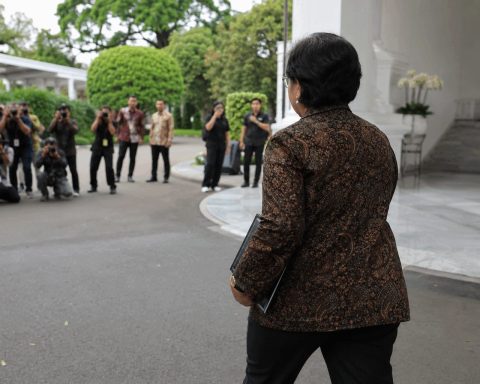
Fortescue’s fortunes remain tied to China, its biggest swing factor. Premier Li Qiang is set to unveil 2026 targets as China’s annual parliament kicks off March 5. Analysts mostly expect a growth goal between 4.5% and 5%, with the budget deficit likely sticking near 4% of GDP.
The way Beijing frames the announcement could prove just as important as the target itself. “If confirmed, this would signal a stronger willingness … to tolerate slower but more sustainable growth,” said Michelle Lam, Greater China economist at Societe Generale, commenting on speculation that authorities may unveil a growth range. Reuters
Wednesday brings a new set of numbers for traders to chew on. China’s official manufacturing PMI is expected to land at 49.1 for February, according to a Reuters poll—still under the 50 threshold that signals contraction rather than growth.
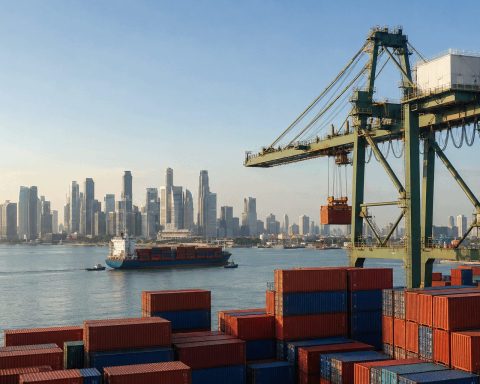
But risk is rising on the shipping front. According to Reuters, certain Chinese steel exporters have pulled their offers to Middle Eastern customers as passage through the Strait of Hormuz nearly stalls. Shanghai Metals Market also flagged that the disruption might increase supply pressure at home and push steel prices lower.
Fortescue’s decarbonisation push popped back into headlines, with fresh filings flagged by Renew Economy revealing a shakeup at its Pilbara Energy arm. The group has slashed the planned turbine count to 100 for its Bonney Downs wind project, still aiming for 2.1 gigawatts but with a pared-down site. Documents also showed the company has shelved the idea of converting the Solomon gas plant to run on green ammonia or hydrogen, calling it “not economically viable” due to fuel costs. Renew Economy
The ASX is closed, so all eyes turn to Wednesday—China’s PMI, iron ore futures, and any new developments in Hormuz shipping will be key. For Fortescue and iron ore names, Beijing’s targets set for March 5 remain the next big marker.
Related articles: ASX:FMG.AX