
London, March 3, 2026, 09:31 GMT — Regular session
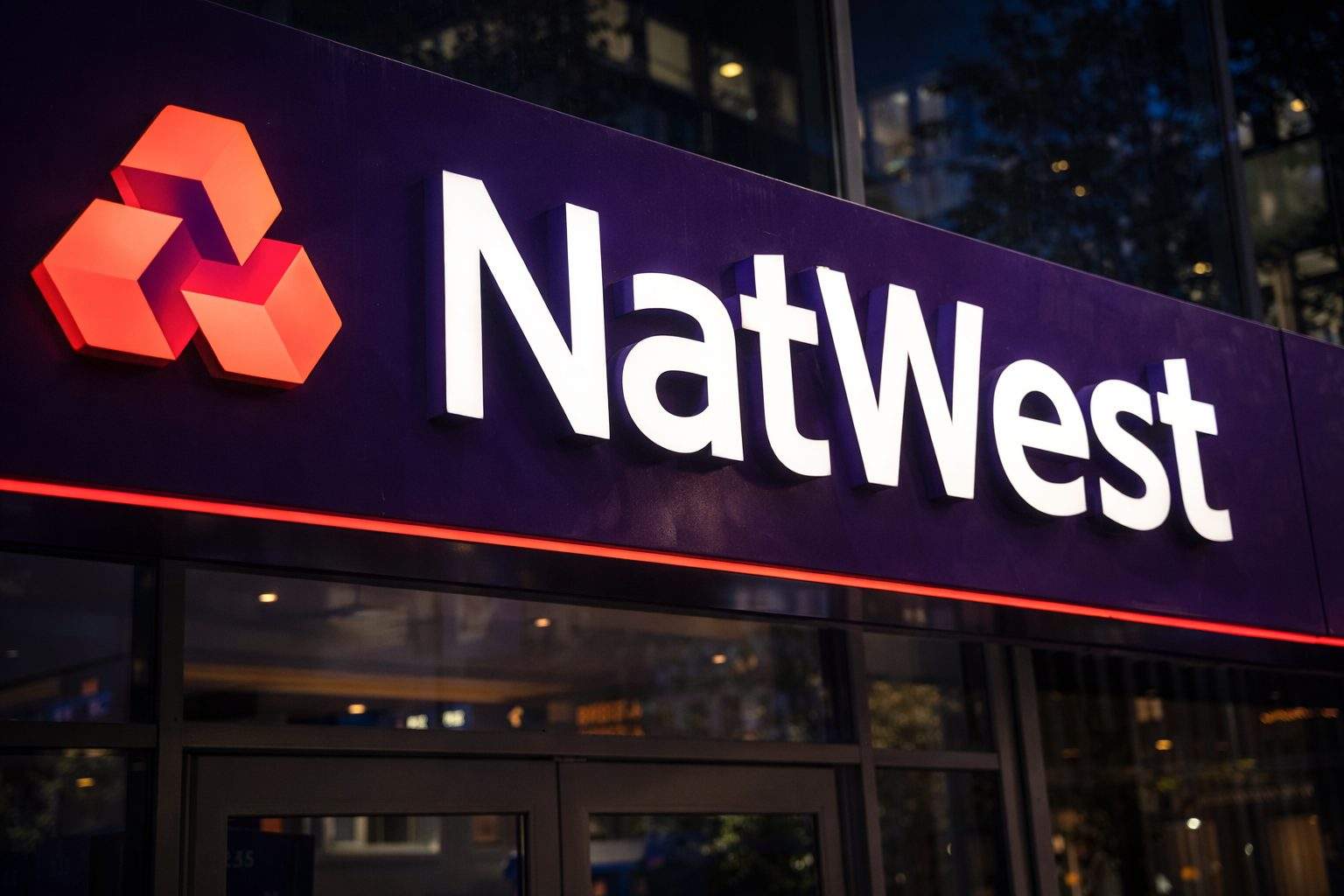
- NatWest dropped roughly 2% out of the gate, with the bank moving in step with declines across the sector.
- Energy prices and bond yields remain volatile, with traders on edge as the Middle East conflict drags on.
- Eyes are on Reeves’ spring update, with the Bank of England’s March rate decision also on investors’ radar.
NatWest Group Plc NWG.L slipped 2.3% to 587.4 pence by 0906 GMT, giving up ground from Monday’s 601 pence close. The FTSE 100 was off roughly 2%, with investors sticking to defensive positions.
It’s a key issue for UK banks, who are exposed whenever oil or interest rates shift. When energy bills climb, inflation might follow, but so can worries about stretched consumers and the risk of more loan defaults.
Finance minister Rachel Reeves is set to present a spring budget update on Tuesday, with Britain’s fiscal watchdog, the Office for Budget Responsibility, releasing fresh projections at the same time. Reeves planned to argue the government has the “right economic plan for our country”. Ken Egan of Kroll Bond Rating Agency suggested she might opt for a low-key approach, saying the update could be “as dialled back as possible”. Henry Cook from MUFG noted Reeves has “won a fair amount of credibility” among market participants. Reuters
The slide began Monday. Oil jumped nearly 7% as Middle East tensions ratcheted higher, prompting a rush into havens and pushing London-listed banks lower. “The market will start to worry about new inflationary pressures,” said Dan Coatsworth, head of markets at AJ Bell, with traders now dialing back their bets on imminent Bank of England rate cuts. Reuters
Britain isn’t alone under strain. Across Europe, stocks slid Tuesday, with the regional bank index down 2.6% as of 0804 GMT. Investors are staring at the possibility of an extended conflict and steeper costs of living. ECB chief economist Philip Lane flagged that a protracted war risks pushing inflation higher and dragging on growth.
Capital returns have dominated NatWest’s headlines lately. On March 2, the bank snapped up 974,572 ordinary shares under its ongoing buyback programme, according to a U.S. regulatory filing. The company intends to cancel those shares as part of the plan to reduce its share count.
Markets are watching rate bets, not much else. Alan Taylor at the Bank of England flagged a possible slide into “the familiar realm of deficient demand,” tying his call for a rate cut to softer inflation and labor data. Taylor was among the few voting last month for a trim to 3.5% from 3.75%. Reuters
This trade cuts both ways. A drop in oil or any sign of the conflict letting up could dial down inflation fears—bank stocks might catch a lift. Let energy prices hold firm, though, and rising costs for households and businesses will keep credit risk front and center for investors.
Markets are eyeing how bonds react to Reeves’ fiscal update, before turning to the Bank of England’s policy verdict set for March 19. Bank Rate remains at 3.75%.
Related articles: Oil Industry