
Sydney, March 4, 2026, 18:13 AEDT — After-hours
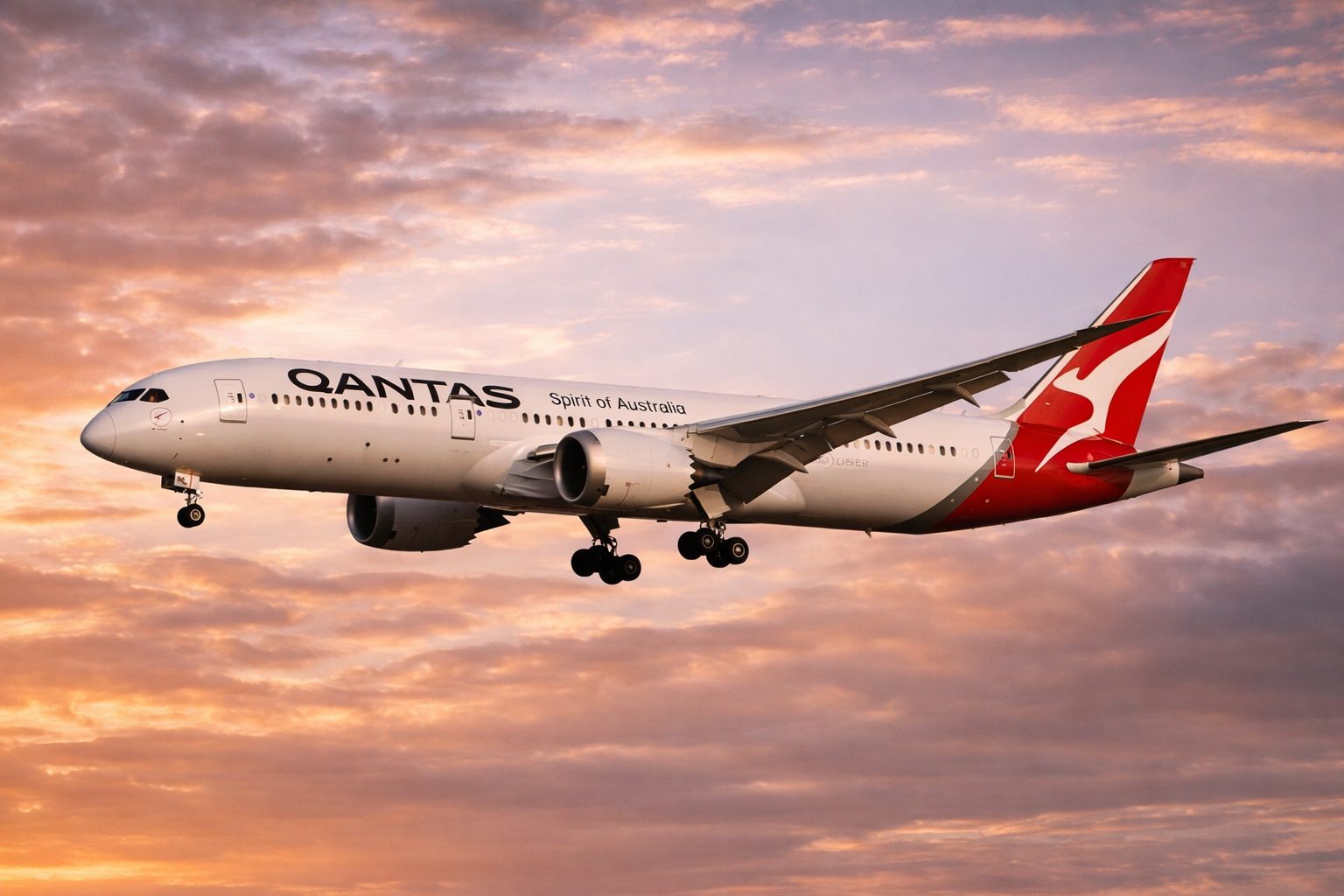
- Qantas dropped 2.7% on Wednesday as airline stocks came under renewed pressure.
- The CEO pointed to “pretty good” fuel hedging, with oil price swings rattling the sector.
- Crude prices remain in focus, and traders are eyeing Qantas as it kicks off its buyback on March 16.
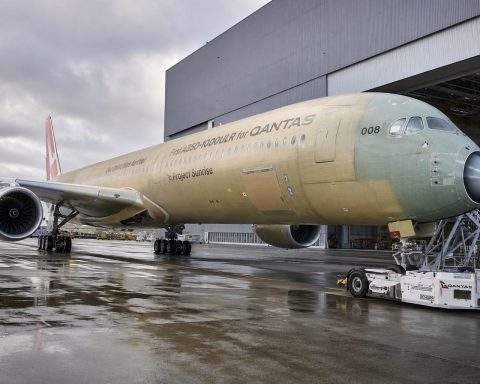
Qantas Airways Ltd dropped 2.7% on Wednesday, settling at A$8.99. Shares swung down to A$8.94 during the session before recovering a bit. The closing price landed A$0.25 under Tuesday’s, LSEG figures indicated.
There’s a reason airline stocks shadow oil: jet fuel eats up a large chunk of their expenses. If crude prices jump, investors waste no time slashing earnings estimates and shedding travel names.
Qantas CEO Vanessa Hudson told Reuters on Tuesday the carrier’s fuel hedging looked “pretty good,” though she pointed out the industry faces a major challenge as U.S. and Israeli strikes on Iran have kept major Gulf airports, including Dubai, closed for a fourth straight day. Just last week, Qantas reported 81% of its fuel needs are hedged for the financial year’s second half, which ends June 30. Japan Airlines shares slid 6.4% and Korean Air dropped 10.3% on Tuesday; Cathay Pacific fell around 3%. J.P. Morgan’s Karen Li noted that “important differences” among airlines—hedging levels and rerouting options, in particular—will decide how investors react to the turmoil. Reuters
Brent crude climbed 1.4% to $82.57 a barrel, with U.S. West Texas Intermediate (WTI) tacking on 1.6% to reach $75.28 after a three-day slide, as the market factored in potential supply threats tied to the war. “Geopolitics has clearly overtaken” fundamentals, said Priyanka Sachdeva, senior market analyst at Phillip Nova. ING analysts echoed that sentiment, noting today’s prices reflect some anticipated disruption but argued actual supply losses would be needed to drive crude higher. Reuters
Fuel hedging amounts to locking in prices via contracts, serving as a buffer against volatility. It’s a form of insurance, though the coverage isn’t total: if flights are grounded or routes stretch out, expenses can still climb.
Sydney traders are still sorting out where the fallout hits. The real issues: how long crude prices keep pushing higher, and if airlines can actually hike ticket prices without scaring off travelers.
The picture worsens if things go south: extra miles tack on fuel costs, disruptions spark refund demands, and those fare hikes might hit right when travelers begin pulling back on nonessential flights. Airline margins feel that squeeze fast.
Qantas hasn’t issued fresh ASX announcements since rolling out its half-year results and capital return details on Feb. 26, according to the exchange’s latest bulletin.
The board signed off on a fully franked interim dividend of 19.8 Australian cents per share, which comes with Australian tax credits for those who qualify. Alongside that, an on-market buyback of up to A$150 million is on the table. The dividend’s payment date is set for April 15.
Qantas lists March 11 as the record date for its interim dividend—the deadline to be on the books to receive payment. Management cautions that dates aren’t set in stone and the payout still needs board approval.
Qantas has pegged March 16 as the kickoff for its on-market buybacks, according to its ASX statement, planning to keep them going through Dec. 31. The company notes it has the option to trim, pause, or end the program ahead of schedule if needed.