
London, March 7, 2026, 06:23 GMT
- The FTSE 100 and FTSE 250 just logged their steepest weekly drops since the tariff shock back in April 2025.
- Oil trading above $90 a barrel has investors reconsidering their expectations for UK rate cuts.
- Energy stocks and defence names found some support, while airlines and miners came under pressure.
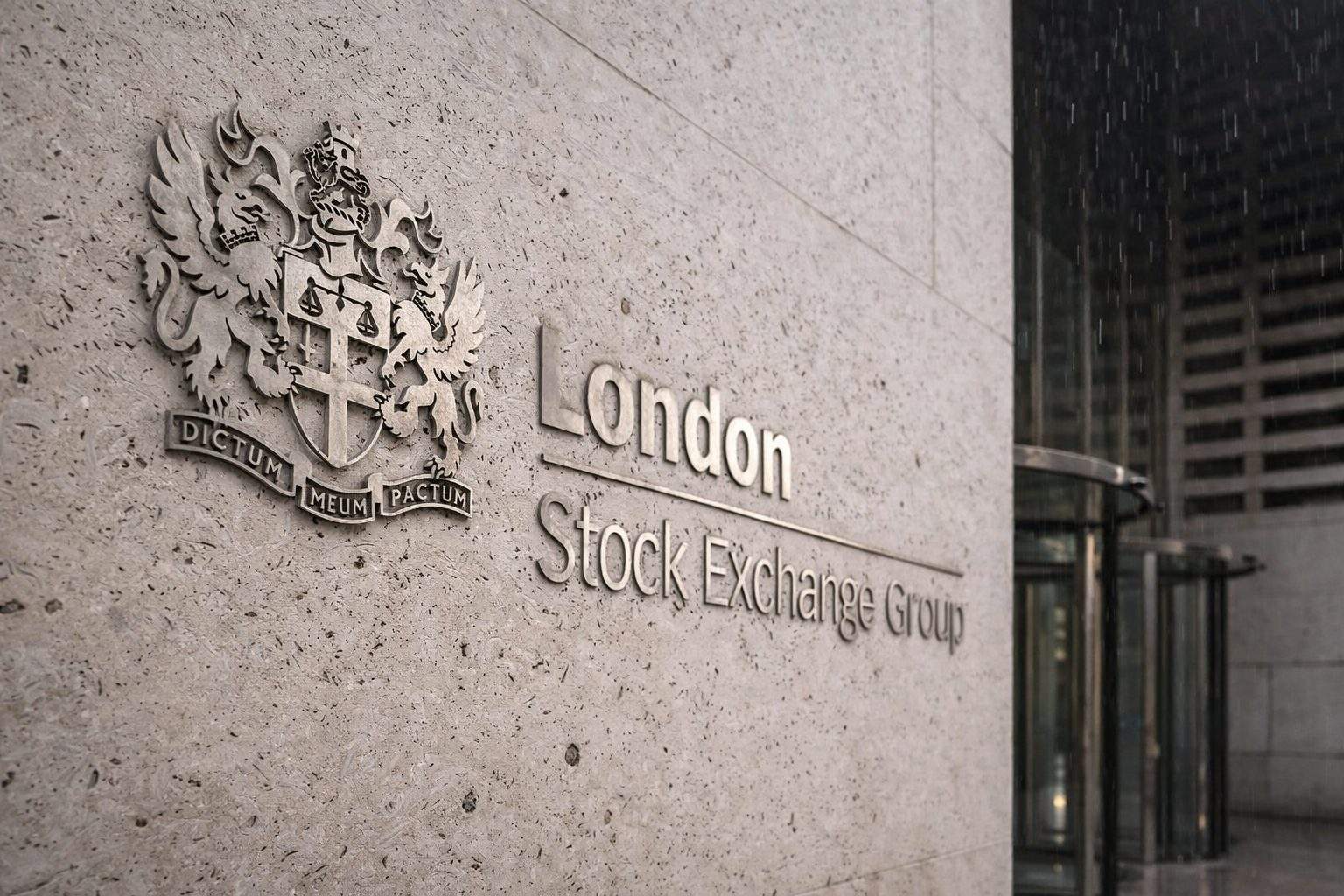
London shares took their hardest weekly knock in nearly a year, rattled by climbing oil prices and more signs of strain in the U.S. economy that shook confidence at the London Stock Exchange. On Friday, the FTSE 100 shed 1.2%, while the mid-cap FTSE 250 dipped 0.8%. Both indexes just chalked up their roughest week since the sharp drop last April, when U.S. “Liberation Day” tariffs set off a global selloff, according to Reuters. Reuters
This shift hit traders who’d been counting on rate cuts to prop up valuations, but the oil jump has thrown that calculus off. With energy prices rising, inflation risks get stickier—leaving central banks on edge, particularly in the UK, where fuel and household expenses spark political nerves.
The FTSE 100 closed out Friday at 10,284.75, marking a 5.7% drop from where things stood a week ago, market reports showed. “The rush for the exits that began on Monday has accelerated over the last 48 hours,” said Chris Beauchamp, chief market analyst at IG. He flagged that as oil prices climb, the odds of rate cuts look even slimmer. sharecast.com
Losses extended beyond the UK. Over the week, the STOXX 600 index in Europe slipped 5.5%, its steepest weekly fall in almost a year. Frankfurt and Paris fared no better, each logging their worst week since April last year, according to Reuters.
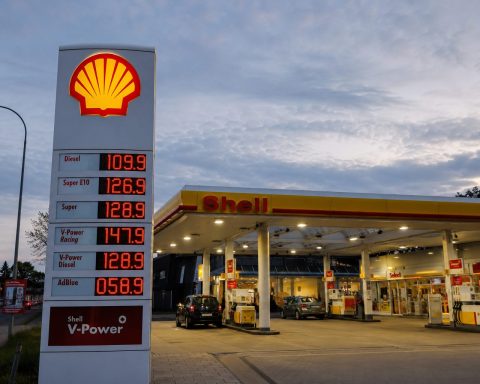
London’s oil majors propped up the blue-chip index. Shell and BP advanced roughly 2% Thursday, thanks to a surge in crude prices. Meanwhile, the broader market lost ground, pressured by rising bond yields and waning hopes for a Bank of England rate cut.
Travel shares felt the sting. Wizz Air tumbled 11.3% after flagging a 50 million euro net profit hit tied to war disruptions. EasyJet pulled back 5%, and IAG, British Airways’ parent, slipped 3.6%. Meanwhile, Reckitt and homebuilder Taylor Wimpey also traded lower after warning on their outlooks.
Money markets have pulled back on bets for near-term easing after oil jumped and bond yields spiked. As things stand, traders see just a slim chance of a March Bank of England cut—much lower than before the conflict ramped up, Reuters reported.
Kristina Hooper, chief market strategist at Man Group, told Reuters the fighting appears set to drag on longer than expected, pushing oil prices higher. “It raises the question of whether the Fed will even be able to cut rates,” she said in the report on the global selloff. Reuters
Goldman Sachs is flagging a potential jump in Brent prices above $100 a barrel as early as next week, should movement through the Strait of Hormuz remain disrupted. The bank pegs current flows through the key waterway at roughly 10% of normal levels.
Still, things can turn on a dime. Signs of the Middle East conflict easing, or proof that shipping lanes are clearing up, could take the heat off crude and revive hopes for rate cuts. Without that, airlines, retailers, and UK midcaps sensitive to rates might find themselves squeezed by pricier fuel and rising borrowing costs.
Focus shifts to a packed stretch of UK earnings in the week starting March 9, with Persimmon, Legal & General and others set to report. Analysts are zeroing in on cash returns, demand trends, and companies’ ability to hold pricing after the recent sharp market repricing.
Just days ago, the FTSE 100 was hitting record highs in late February, buoyed by upbeat company updates and lingering hopes for lower UK rates. That optimism didn’t last long. A fresh surge in energy prices this week swiftly knocked the index off course, showing how fast sentiment can turn.