
NEW YORK, March 12, 2026, 1:20 PM EDT
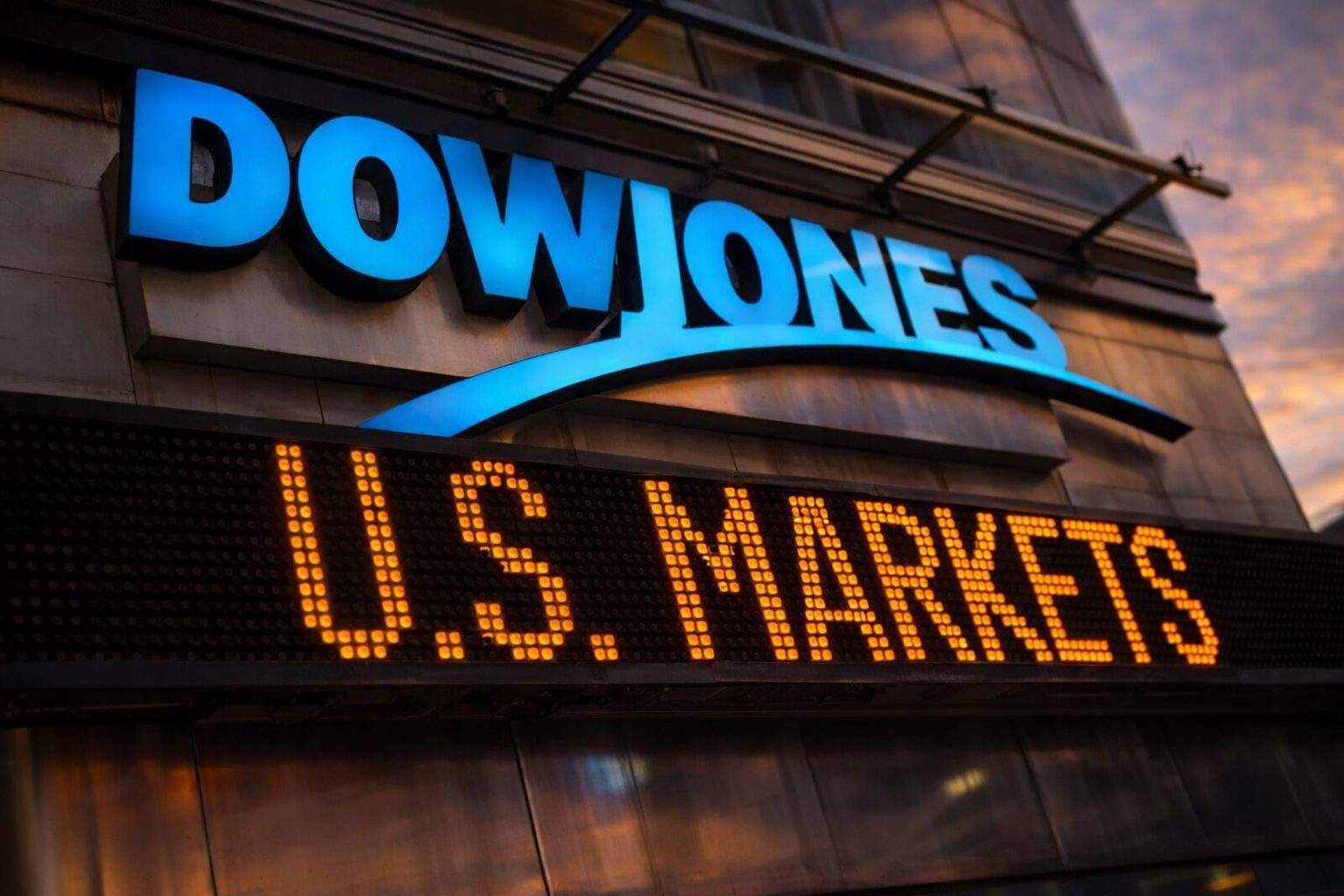
Thursday saw the Dow Jones Industrial Average drop over 550 points, extending the 30-stock index’s slide below last month’s 50,000 mark as oil sprinted toward $100 a barrel and new strains rattled private credit markets. At 11:53 a.m. ET, the Dow was down 553.49 points, or 1.17%, at 46,861.34. Tanker attacks off Iraq and Iran’s push to keep the Strait of Hormuz shut hit risk appetite.
This comes into play now, with the Dow ending over 50,000 for the first time ever back on Feb. 6. Investors who’d been positioned for stable U.S. growth and rate cuts have to refocus—energy, credit, inflation are back on the table.
Wednesday’s inflation numbers didn’t do much to calm the market. Consumer prices climbed 0.3% in February, matching expectations, yet traders shrugged—the report landed before oil’s recent surge. Goldman Sachs pushed its forecast for the first Fed rate cut back to September, while money markets are now pricing in just one cut by December, down from two before the conflict escalated.
The damage wasn’t limited to the Dow. The S&P 500 shed 1.05%, Nasdaq slipped 1.36%, and Wall Street’s so-called fear gauge, the Cboe Volatility Index, climbed higher. Airlines took a hit—S&P’s airline index tumbled 3.7%. Norwegian Cruise Line dropped 2.8%, Royal Caribbean sank 7%, with traders eyeing steeper fuel costs.
Strength showed up in spots. Occidental Petroleum popped 5.9%, with ConocoPhillips up 3% as Brent crude spiked to $101.59 a barrel before slipping back. U.S. crude last changed hands at $94.85. “The market remains very concerned” about the Strait of Hormuz, said Rodrigo Catril, senior FX strategist at NAB. Reuters
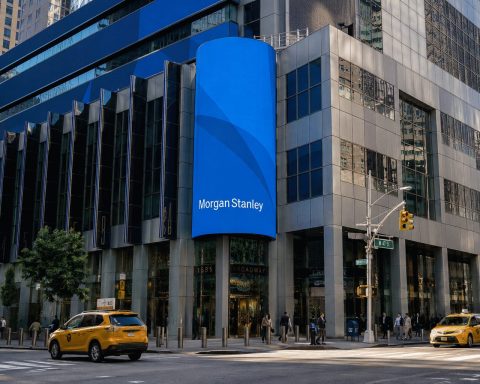
Banks and alternative-asset managers weighed on the market. Morgan Stanley slipped 4% after restricting withdrawals at a private-credit fund—similar to earlier steps from Blackstone and BlackRock. JPMorgan, for its part, reduced the value it assigns to certain market-linked loans.
Art Hogan, chief market strategist at B. Riley Wealth, pointed out that plenty of private-credit portfolios hold stakes in younger software businesses—just as the exit route through public markets has narrowed. On the energy front, Brian Jacobsen, chief economist at Annex Wealth Management, didn’t mince words: “Instead of deflation from energy, we will get inflation.” Reuters
There’s hardly much comfort in sight. The International Energy Agency just this week pledged a record 400 million barrels from emergency reserves. Still, Goldman on Thursday bumped up its fourth-quarter oil targets, warning prices might beat their 2008 highs if the Strait of Hormuz disruptions drag on through March.
Even so, these sharp declines don’t tend to stick around for long. Monica Guerra, who leads U.S. policy at Morgan Stanley Wealth Management, pointed out that equity volatility sparked by geopolitics is “historically short-lived.” There’s a catch, though. If oil prices remain elevated, she cautioned, the Fed could be pushed into a “higher fed funds rate for longer” scenario, which would keep stocks under pressure. Reuters
The Dow is slipping again, giving up ground after its February surge past 50,000. Traders now have their eyes glued to crude prices above all else. Rising energy costs, paired with fresh jitters in private credit, are nudging the market back into inflation mode and pulling focus from the steady-growth narrative that buoyed the index last month.
Related articles: NYSE:MS