
Panama City, March 13, 2026, 15:42 (UTC-5)
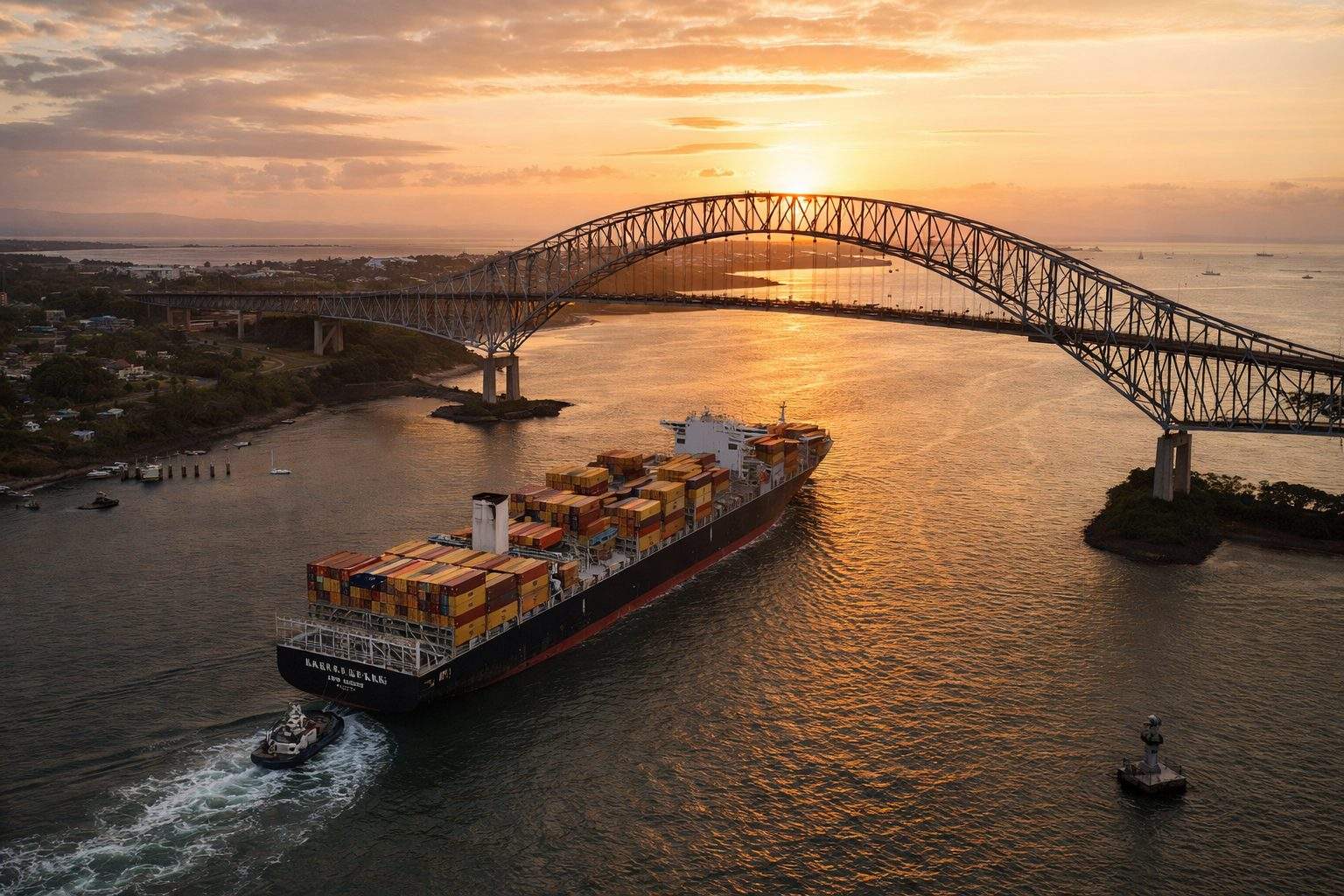
Senior officials at the Panama Canal said traffic is starting to tick up as war-related fuel price hikes and turmoil near the Strait of Hormuz push shippers toward quicker alternatives. “The latest thing we’ve seen is an increase — a slight increase in the number of transits,” deputy administrator Ilya Espino de Marotta told CNN. KQ2 News
This shift is notable, with oil trading near $100 a barrel Friday and roughly 20% of global crude typically passing through Hormuz. Panama is still on the mend after drought pushed daily transits down to 24 during the 2023-2024 El Niño hit. Even a small uptick in rerouted tankers—or LNG shipments—would make a mark.
Ricaurte Vásquez, the Panama Canal’s administrator, pointed to rising energy, fuel and navigation expenses as factors driving shippers back to Canal routes. “When costs increase, in general when the price of marine fuel rises, the Panama Canal becomes a more attractive route,” he told the Associated Press. Some trips can be trimmed by three to 15 days, using less fuel, he said. AP News
Container ships, dry bulk carriers, and LNG tankers are likely to be hit first, Vásquez said. If Middle Eastern supply disruptions drag on, his view is that U.S. LNG might step in, shifting some loads and rerouting gas from Europe to Asia via Panama. Analysts have already been bracing for more U.S. LNG vessels moving through the canal if Hormuz issues don’t clear up, Reuters noted last week.
Transits at the canal were already ticking higher ahead of this week’s increased shipping risk. According to an internal report reviewed by Reuters, vessel crossings climbed 2.8% year-on-year in the fiscal year’s first four months through January, reaching 4,156. Tankers saw an even sharper jump, up 11.2%.
The rebound comes after a tough stretch of drought. According to Espino de Marotta, wetter-than-normal conditions during the dry season have pushed daily canal transits up to 40 or even 41—well past the typical 36. She cautioned, though, that keeping traffic at 41 or 42 isn’t feasible, but holding steady at about 38 should be possible.
Geography plays a part here. Panama’s canal is about 50 miles long—less than half the distance of Egypt’s Suez Canal, which runs 120 miles. That difference gets more important when bunker fuel prices climb, officials point out, since ships burn less oil on the shorter crossing.
Gerardo Bósquez at the Panama Maritime Chamber flagged that an extended conflict might force shifts in global trade routes, giving a leg up to gas shipping in particular. On the other hand, Vásquez struck a more reserved tone—pointing out that cargo owners are likely to hold off on any lasting adjustments until there’s clarity on how persistent the Gulf’s instability will be.
Even so, any gains might be short-lived. Reuters, citing Iran’s U.N. envoy, noted Tehran isn’t looking to shut Hormuz. Still, tanker movement has been hit hard, with only a trickle getting through, suggesting the outlook for trade remains highly fluid.
Panama has its sights set on expanding its footprint in logistics and energy, not just weathering the present crisis. On Thursday, the canal authority outlined plans to hand out contracts for two new ports and a gas pipeline by June 2027. The move signals Panama’s intention to draw in more cargo and fuel traffic for the long haul.