NEW YORK, March 18, 2026, 09:47 EDT.
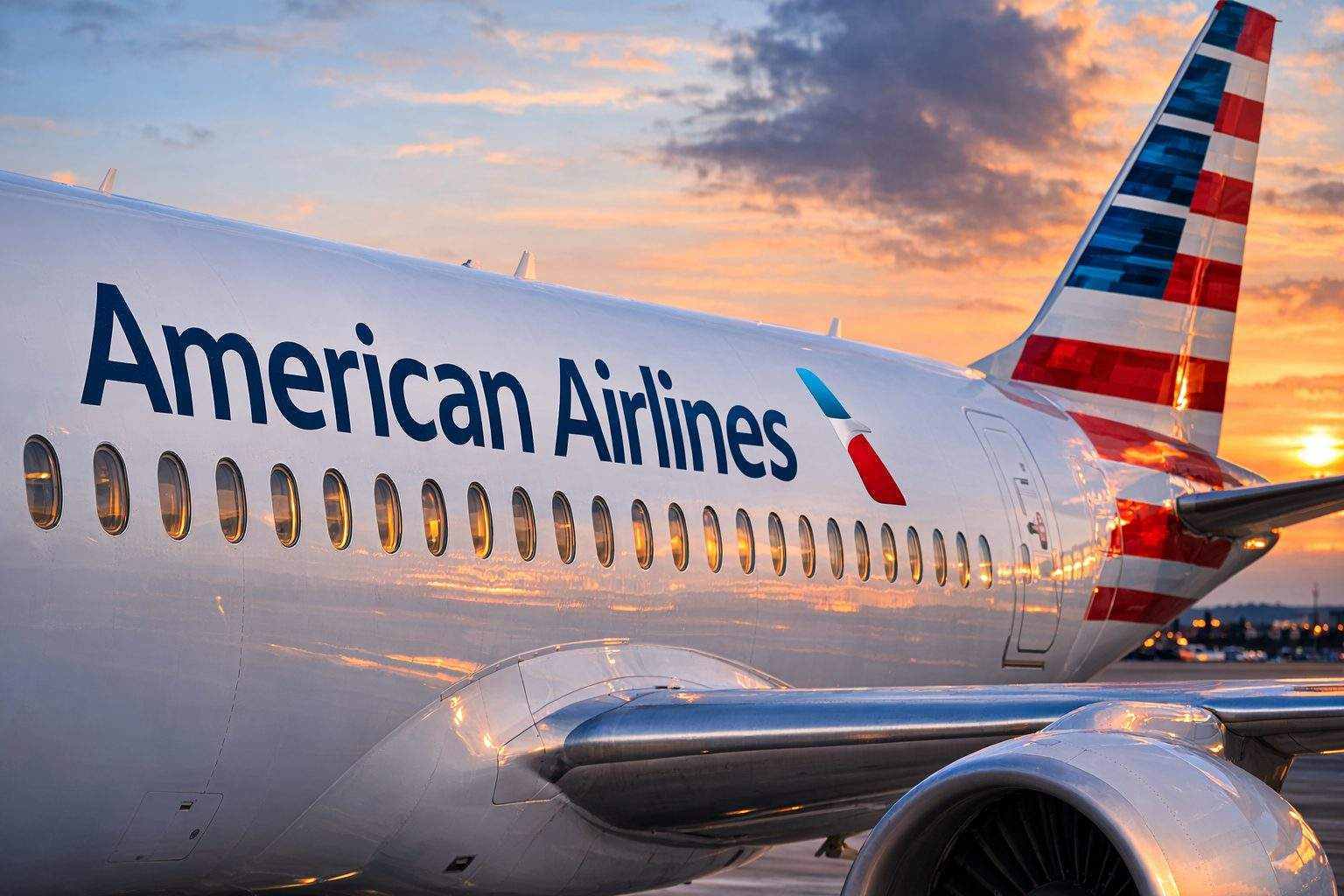
American Airlines Group shares edged down over 1% in premarket trading Wednesday, trimming some of the gains from Tuesday’s rally. Travel stocks took a hit after a hotter-than-expected U.S. producer-inflation report landed alongside another jump in oil prices. Just a day earlier, the carrier had said it now expects first-quarter revenue to climb more than 10% from last year, topping its previous guidance.
This comes into play as American heads into 2026, pitching higher demand for premium cabins, an upturn in business travel, and more lucrative loyalty income as keys to bigger profits. Back in January, the airline put out a full-year adjusted earnings outlook of $1.70 to $2.70 per share. That topped analyst calls, despite early-year turbulence from weather and a government shutdown taking a bite out of results.
American Airlines, based out of Fort Worth, Texas, said in an 8-K filed Tuesday that its revised first-quarter target would mark the biggest year-over-year quarterly revenue jump in company history—excluding the pandemic rebound. The airline left its adjusted loss estimate unchanged at 10 to 50 cents per share, but now expects to come in closer to the lower end of that range, provided jet fuel sits around $2.75 a gallon.
Chief Executive Robert Isom told investors that so far this year, eight out of American’s top 10 days and weeks for bookings have already happened. He expects demand to hold steady into April and May. On capacity, he said the airline will stay “nimble” if fuel prices remain elevated—signaling that management isn’t looking to boost volume if it means sacrificing fares. AP News
Airlines are sticking to a unified script. Both Delta and United pointed to robust bookings; Delta CEO Ed Bastian called demand “the story” for the quarter. United’s Scott Kirby went further, arguing that if this booking pace continues, carriers might offset “100%” of the spike in fuel costs. Reuters
Still, fuel remains the sticking point. Earlier this month, Reuters noted U.S. airlines have mostly abandoned fuel hedging — the practice of locking in prices with derivatives — which leaves them more vulnerable than many European and Asian competitors. American Airlines estimates every one-cent uptick in jet fuel tacks on roughly $50 million to yearly costs. Morgan Stanley’s Ravi Shanker doesn’t see carriers moving back to hedging, saying U.S. airlines will likely keep flying “unhedged” and attempt to shift persistent fuel price hikes onto customers. Reuters
Chicago’s O’Hare is shaping up as a flashpoint, with both American and United scaling up flights—investors are on alert for signs of a fare fight. Conor Cunningham at Melius Research flagged the risk, noting, “competitive skirmishes are rarely contained.” His point: a revenue beat is no guarantee if pricing slips in such a critical business hub. Reuters
The stock sits at a crossroads: robust bookings have prompted an upward bump in guidance, but airlines are now facing escalating fuel bills—pressure that could force fares higher. For AAL, the question seems pretty clear: can American raise ticket prices again without scaring off travelers?