
New York, April 27, 2026, 18:01 EDT
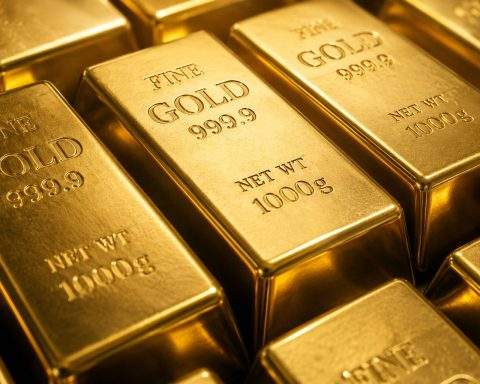
Gold slipped under $4,700 an ounce on Monday, pressured by lingering oil and inflation jitters as U.S.-Israeli talks with Iran made no progress ahead of the Federal Reserve’s big week. Spot gold lost 0.6% to $4,682.13 by 1:50 p.m. EDT. U.S. June futures closed down 1% at $4,693.70. Silver, platinum, and palladium dropped as well. “A bit of a problem for gold and silver,” said TD Securities’ Bart Melek, pointing to uncertainty around reopening Hormuz. Reuters
Policy risk is front and center. Fed officials look set to leave rates unchanged at 3.50%-3.75% on Wednesday, according to Reuters, but there’s also the question of whether persistent, energy-driven inflation could push them back into hiking mode. Gold, which doesn’t pay interest, tends to lose some appeal when rates are high—even if safe-haven demand runs strong.
Still, the rally isn’t off the table, according to analysts. A Reuters survey of 31 analysts and traders bumped the 2026 median gold forecast up to $4,916 an ounce—the highest Reuters has recorded since 2012. StoneX’s Rhona O’Connell suggested a peace deal could spur a “relief rally.” On the other hand, Julius Baer’s Carsten Menke argued the war was “not a lasting development.” Independent analyst Ross Norman pointed to central banks’ hunger for gold as “stronger than ever,” but O’Connell cautioned that $5,500 was “too rich.” Reuters
At 8:55 a.m. ET, Fortune’s daily tracker pegged gold at $4,702—just $2 higher than the prior session, but up a hefty $1,358 from a year ago. Silver came in at $76, platinum at $1,999, and palladium at $1,481 an ounce. Precious metals are still holding strong, even after Monday’s slight pullback.
Technical analysts weren’t exactly bullish. According to Economies.com, gold lingered under the EMA50—the 50-period exponential moving average, which gives extra weight to recent moves—and kept hugging a short-term descending trendline. Relative strength indicators? Those rolled over after flashing overbought, a textbook sign for technicians that momentum is losing steam.
Jim Wyckoff at Kitco zeroed in on critical price-entry levels for Comex gold futures in a Monday note, geared toward traders who track the main U.S. gold contract. He kept the lens tight, but his message landed broadly: with the latest drop, traders are watching that $4,700 zone closely.
But this trade cuts both ways. If there’s a diplomatic breakthrough involving Iran and the Strait of Hormuz, energy markets might cool off, and gold’s safe-haven appeal could come back. On the other hand, a protracted oil shock risks keeping inflation stubborn, forcing the Fed to hold steady, which keeps the squeeze on a yield-less metal like gold.
Bullion sits wedged between its usual allies—war risk and central-bank demand—and the drag from a Fed contending with hotter inflation. Those first two prop up the market. The last one doesn’t.
Related articles: Gold