
LONDON, March 24, 2026, 11:34 GMT
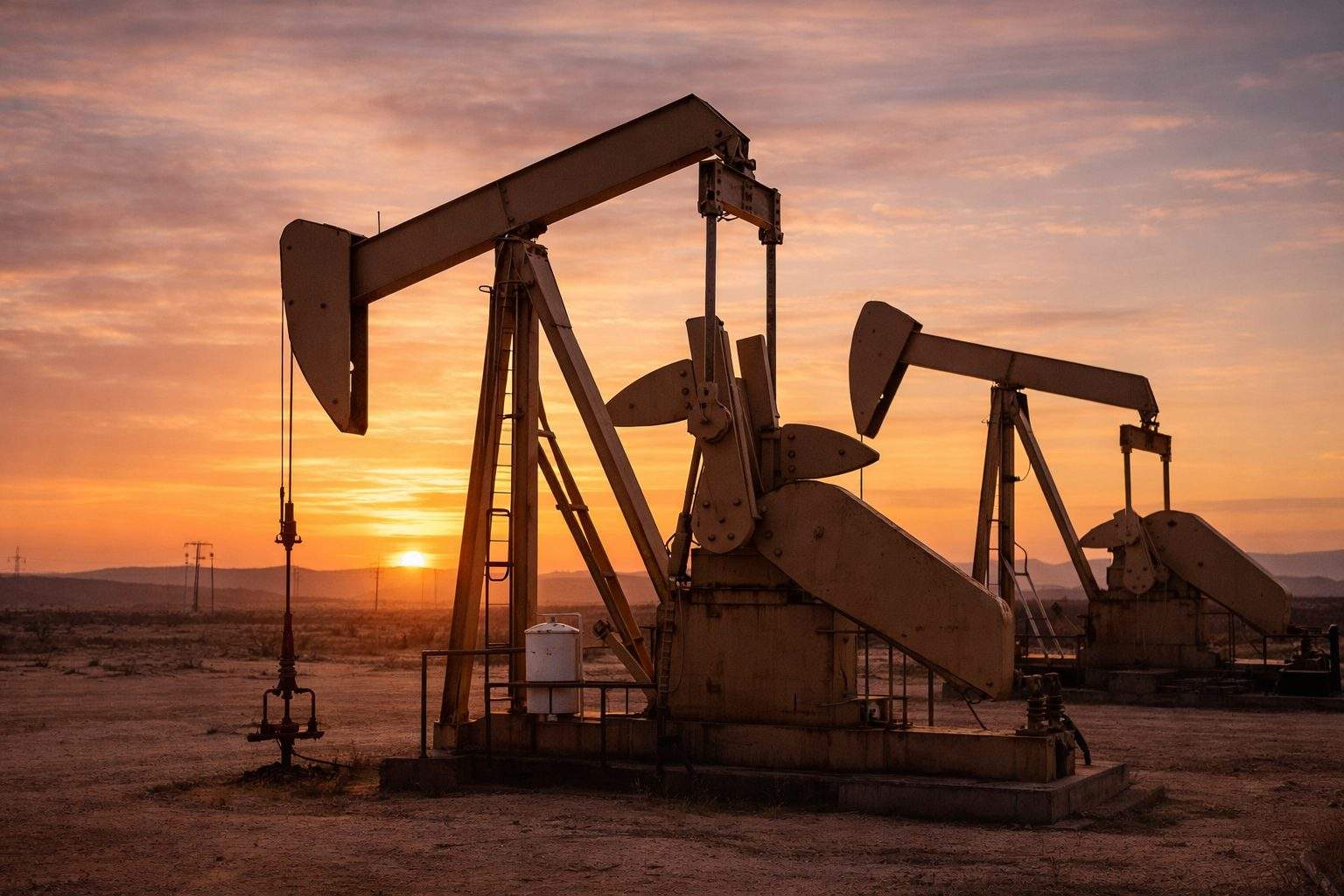
Oil jumped on Tuesday, with Brent crude snapping back above $100 a barrel as Iran shot down reports of talks with the U.S.—triggering a reversal from the relief rally sparked by President Donald Trump just a day prior. By 0858 GMT, Brent was up $1.25 at $101.19. U.S. West Texas Intermediate (WTI) added $2.15, reaching $90.28.
The reason this story is moving markets comes down to supply shock jitters. With the war choking off shipments through the Strait of Hormuz—a route responsible for nearly 20% of global oil and LNG—the International Energy Agency is calling this the largest oil-supply hit ever.
Monday’s sharp drop looks less like a reversal, more like a breather. Brent finished at $99.94, down 10.9%, after Trump announced Washington and Tehran had “major points of agreement,” pausing any U.S. strikes on Iranian power plants for five days. But the rebound started losing steam when Tehran denied any talks had taken place—and then launched more missiles at Israel on Tuesday. Reuters
“Today’s moderate bounce is just the market finding its footing in the mud,” said Tim Waterer, chief market analyst at KCM Trade, speaking to Reuters. He also pointed out the strait remains “far from a clear waterway.” Reuters
IG’s Tony Sycamore echoed the sentiment, calling the environment “incredibly fragile or flammable” while markets juggled diplomatic headlines with a shuttered shipping lane and new missile launches. According to Reuters, European equities faltered, U.S. futures slipped, and oil inched up near the $100 mark. Reuters
Trump claimed envoy Steve Witkoff and Jared Kushner held talks with Iranian officials on Sunday and said the conversations would continue. Iran’s parliament speaker Mohammad Baqer Qalibaf flatly dismissed that narrative, arguing “fakenews is used to manipulate the financial and oil markets.” Still, Reuters reported that Egypt, Pakistan, and Gulf countries have been passing messages, with potential for direct meetings in Islamabad on the table. Reuters
IEA executive director Fatih Birol said tapping emergency government oil stockpiles might soften the blow but won’t fix things. On March 11, the agency signed off on an unprecedented 400 million barrel release from reserves and is now in talks with governments for potential additional draws. Still, Birol called reopening Hormuz the “single most important solution.” Reuters
Banks and oil execs are bracing for more pain. Macquarie flagged Brent shooting as high as $150 a barrel if the Strait of Hormuz remains blocked through April—that’s past the 2008 high. Goldman Sachs lifted its 2026 Brent call to $85, up from $77, while JPMorgan now puts Brent at an average of $100 for the second quarter.
TotalEnergies CEO Patrick Pouyanne warned that if the disruption stretches past three or four months, the global economy faces a systemic threat. According to Pouyanne, the real pain is hitting refined products like diesel and jet fuel, not crude itself. He pointed to China’s export ban as the factor tipping Southeast Asia’s fuel market into what he called “unsustainable.” Reuters
Still, sentiment can shift on a dime. Should diplomatic efforts start to show real traction, or if another major release of emergency reserves hits, prices could tumble again—just like they did during Trump’s five-day pause on Monday.
No sign of a slowdown in the conflict. On Feb. 28, the United States and Israel hit Iran with airstrikes following the breakdown of nuclear talks. Since then, the death toll has climbed above 2,000, and fighting continues to knock out energy infrastructure throughout the area.
Related articles: Energy