
LAS VEGAS, May 13, 2026, 15:01 PDT
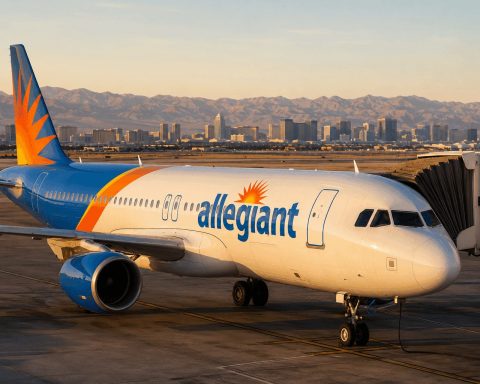
Allegiant Travel Co. has wrapped up its acquisition of Sun Country Airlines Holdings Inc., finalizing the deal on Wednesday. The move brings together two leisure-heavy U.S. carriers, now operating a fleet of 195 aircraft, flying to nearly 175 cities and spanning more than 650 routes. “A defining moment,” Allegiant CEO Gregory C. Anderson said, as the Las Vegas-based company takes in the Minneapolis rival. Allegiant Newsroom
Little shifts right away for travelers. Allegiant said it won’t touch existing bookings, schedules, or travel plans, and both Allegiant Allways Rewards and Sun Country Rewards stick around as separate programs for the time being.
Sun Country’s stint as an independent public company has wrapped up for investors. According to a securities filing, holders received $4.10 in cash and 0.1557 Allegiant shares for every Sun Country share, with the company becoming an Allegiant subsidiary as of May 13.
According to the filing, Sun Country requested that Nasdaq halt trading ahead of the market open on the closing date and move forward with delisting. Shares of Allegiant, still listed as ALGT, last traded at $75.21, down 2.9% from the previous close.
The path forward opened after last week’s shareholder vote. During Sun Country’s special meeting on May 8, Rose Neale—senior vice president, chief legal officer, and corporate secretary—announced that, according to a preliminary tally, the merger proposal had “received the requisite number of votes.” TradingView
Back in April, the U.S. Department of Transportation handed down an interim exemption, effectively letting the two airlines continue running as standalone carriers, even with shared ownership, as they worked toward merging under one operating certificate. The next hurdle is the FAA certificate—essentially the green light for unified operations and procedures.
It comes down to scale. Allegiant has zeroed in on small and midsize U.S. cities, but Sun Country’s network opens the door to bigger metro areas—and, crucially, provides Allegiant with routes to 18 international spots spanning Mexico, Central America, Canada, and the Caribbean.
Sun Country pulls in revenue well beyond just selling passenger tickets. The airline does cargo runs for Amazon Prime Air, and it’s locked in charter deals with casinos, Major League Soccer, college sports squads, plus contracts with the Department of Defense. For the combined carrier, that means income isn’t so closely hitched to seasonal vacation demand.
Allegiant is projecting roughly $140 million in yearly synergies within three years post-close and integration. These synergies—cost cuts and revenue boosts—stem from merging operations, shifting networks, leveraging scale in purchasing, and optimizing fleet use.
In Minnesota, the deal brings plenty of uncertainty. Sun Country, Minneapolis-St. Paul International’s No. 2 carrier, has long served as Delta Air Lines’ cheaper rival. According to Axios, the buyout could impact a big slice of Sun Country’s 3,300 employees, with some back-office jobs likely headed to Las Vegas.
Allegiant is taking the lead. Anderson stays on as chief executive of the merged company, with Robert Neal in as both president and CFO. Sun Country’s Jude Bricker, Jennifer Vogel, and Thomas Kennedy have joined Allegiant’s board, which now grows from eight to 11 members.
Still, there are no guarantees. Allegiant and Sun Country, in their deal documents, flagged the risk that integration might take longer, come in over budget, or fall short of anticipated savings and growth. Resistance from customers, employees, or suppliers could also weigh on the merged carrier.