
NEW YORK, March 24, 2026, 14:52 EDT
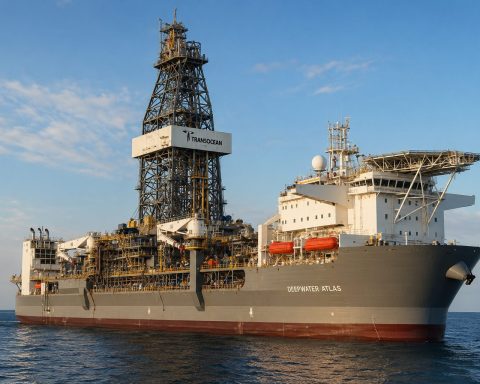
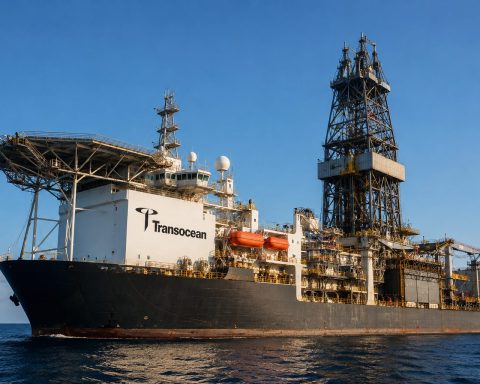
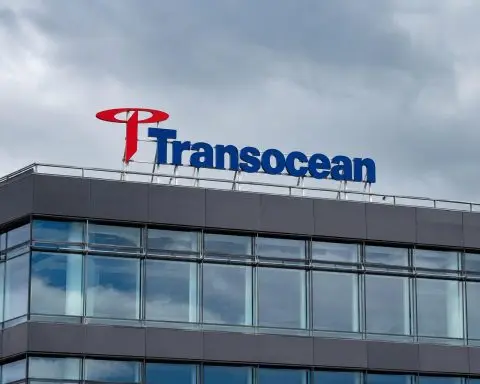
Transocean picked up 2.9% to $6.645 in Tuesday’s afternoon session, after hitting $6.715 earlier. The stock’s gain followed crude’s recovery, even as major U.S. indexes showed little direction. Brent crude climbed over 4%, landing at $104.13 a barrel.
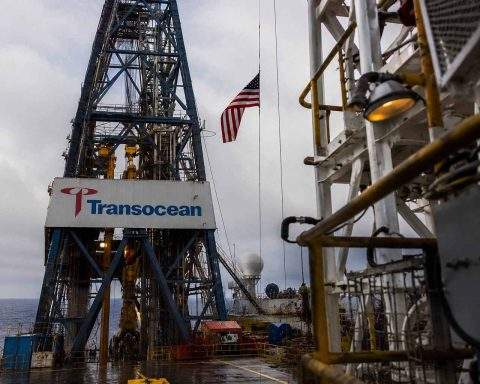
Transocean is pushing ahead with its $5.8 billion all-stock buyout of Valaris, aiming to forge a 73-rig powerhouse—even as it keeps chipping away at its debt load. Back in February, the company reported its total principal debt was down 18% to $5.686 billion. Liquidity, meanwhile, was at $1.507 billion.
Oil bounced back after Monday’s steep drop, triggered when President Donald Trump called off strikes on Iranian power sites. But by Tuesday, that rebound had fizzled. Iran shot down talk of negotiations with the U.S., and flows through the Strait of Hormuz—responsible for about 20% of global oil and LNG—remained disrupted. “The reality on the ground is unchanged,” said Nikos Tzabouras, analyst at Jefferies-owned Tradu.com. Price Futures Group’s Phil Flynn said traders were “back climbing the wall of worry.” Reuters
It wasn’t just Transocean catching a bid—Valaris climbed 2.9%, Noble Corp jumped 5.3%, and Seadrill tacked on 2.1% during the session as well.
Transocean offered a bit of cushion to investors, reporting on Feb. 19 that 2025 revenue climbed 13% to $3.965 billion. Adjusted EBITDA, tracking operating profit, came in with a 19% jump to $1.37 billion.
The company reported a backlog—future contracted revenue—standing near $6.1 billion, having secured 10 new fixtures totaling roughly $610 million since October. Back on Feb. 11, it also revealed another $184 million in firm backlog tied to contracts out of Norway.
For Chief Executive Keelan Adamson, the Valaris merger is a step toward fixing the balance sheet. “We know that our debt level negatively impacts our equity value. This transaction addresses that,” Adamson told analysts on the Feb. 9 conference call. He’s projecting leverage will drop to about 1.5 times within 24 months after the deal closes. The companies expect to finalize the transaction in the second half of 2026. Reuters
Oil’s tone has turned firmer. Goldman Sachs, in a late Sunday move, bumped its 2026 average Brent price call up to $85 a barrel, up from $77. The bank also flagged a possible $110 average for Brent in March and April. For Transocean, that kind of pricing environment keeps a sharp focus on dayrates—the daily rig hiring fees that underpin its fleet contracts.
The rally’s on unstable footing. Goldman flagged that if U.S. military operations wind down, the geopolitical premium for oil might vanish fast. Ben Marshall, CEO of Vitol Americas, used his CERAWeek platform to caution that crude at $120 a barrel could trigger “severe demand destruction.” The message: if prices climb too high, drillers could find the spending cycle abruptly cut short. Reuters
Related articles: NYSE:RIG