
NEW YORK, March 26, 2026, 08:18 EDT
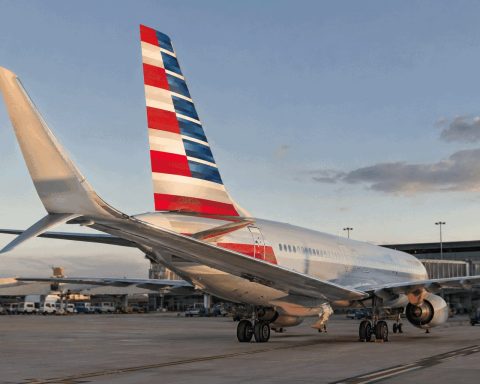
American Airlines Group stock barely budged in premarket action Thursday, ticking up 2 cents to $10.74. A renewed spike in oil prices is putting fuel cost worries back in focus, only days after the company pointed to improved demand. Brent crude hovered a touch over $106 following Iran’s refusal to negotiate with Washington—a move that rattled broader markets.
This shift has weight—American previously warned investors to brace for an extra $400 million hit to first-quarter costs from pricier fuel, despite the uptick in revenue. The airline group showed no clear direction early: Delta picked up $1.34, landing at $67.99; United, meanwhile, gave up 58 cents, dropping to $92.95.
The trade snapped back fast on Wednesday. Airlines and cruise lines picked up gains as oil dropped—on hopes the Middle East tensions might ease—but by early Thursday, crude bounced higher and the gains evaporated. Global stocks fell, erasing the brief relief.
In a March 17 update, American said first-quarter revenue is tracking to climb more than 10% over last year, topping the earlier 7% to 10% guidance after demand ran hotter than forecast. The carrier also pegged jet fuel costs at roughly $2.75 a gallon and now sees its adjusted per-share loss coming in closer to the low end of the prior 10 to 50 cent estimated range.
That doesn’t leave airlines much cushion if fuel prices keep rising. Reuters said Wednesday that jet fuel has spiked to $150-$200 a barrel in recent days, pushing carriers globally to hike fares, tack on surcharges, or slash their forecasts; American reported about a $400 million hit this quarter.
Not every airline is absorbing the hit the same way. Delta gets some relief from its Philadelphia-area refinery, which takes some pressure off refining margins—the spread between what it pays for crude and what it sells jet fuel for. United, by contrast, is still rolling out more premium seats and upgrading its cabins. “The environment is strong,” United Chief Commercial Officer Andrew Nocella said, adding that the company has managed to pass along a good portion of the recent oil-related price hikes. Reuters
The market seems to be pricing in a brief conflict—long enough to worry, but not enough to derail earnings right now. Michael Arone at State Street describes the prevailing view as expecting the war to last “weeks, maybe a couple months.” RBC Capital Markets’ Lori Calvasina is looking out to the back half of the year, pointing out that’s when earnings could really face pressure. Reuters
That’s the sticking point for American Airlines shares. If crude hovers north of $100 and higher fares stop offsetting the fuel hit, the revenue boost management pointed to earlier this month could vanish quickly—fuel sometimes eats up a quarter of industry operating costs. On top of that, House committees are weighing aviation safety reforms based on recommendations after the 2025 crash involving an American regional jet outside Washington, keeping regulatory heat on the sector.
Related articles: NASDAQ:AAL