WASHINGTON, March 27, 2026, 15:56 (UTC-04:00)
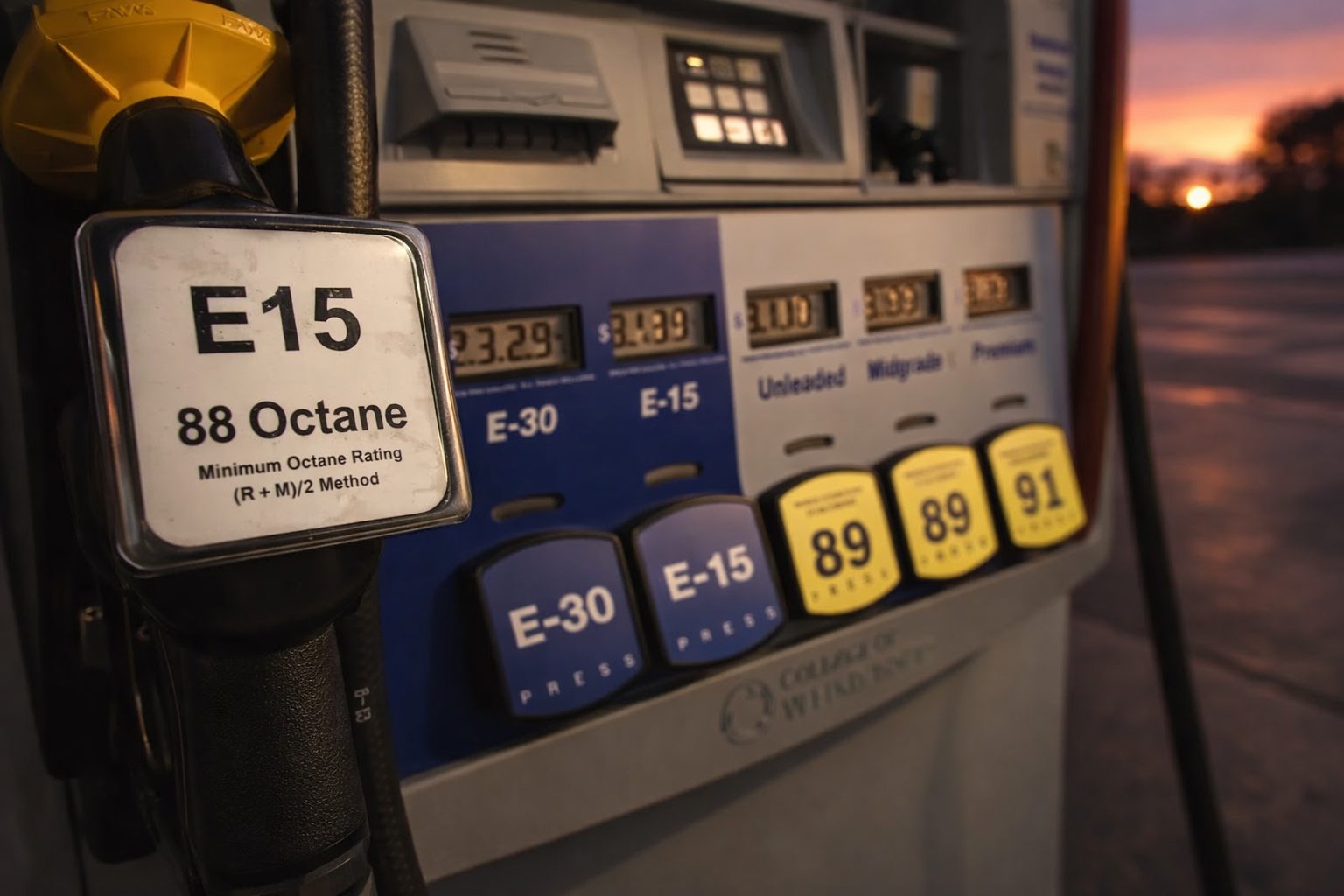
The U.S. Environmental Protection Agency is allowing E15 gasoline sales across the country starting May 1, aiming to tamp down surging pump prices linked to the Iran war. Regulators issued an emergency waiver, removing summer anti-smog restrictions that normally sideline the 15% ethanol blend during the hotter months.
Timing is key here. Average prices for regular gasoline climbed to just above $3.98 a gallon this week, up more than a dollar from a month ago. EPA said it acted now so the fuel supply chain has space to adapt ahead of the summer driving season.
E15 refers to gasoline with 15% ethanol, while E10 contains 10%. The EPA announced that the initial waiver, effective May 1 through May 20—the maximum span permitted by the Clean Air Act—could be extended. The agency also plans to remove federal restrictions on E10 and loosen certain state-level fuel standards, allowing distributors to ship more gasoline under a single evaporation guideline.
EPA chief Lee Zeldin called the move an effort to “increase fuel supply and consumer choice.” Agriculture Secretary Brooke Rollins pointed out it would “directly lower prices at the pump” and also send a stronger demand signal to U.S. biofuel makers and corn producers. epa.gov
The ethanol lobby quickly backed the move, and in a rare turn, the oil industry’s biggest trade association also gave its approval. Will Hupman, American Petroleum Institute’s vice president of downstream policy, said loosening the summer restrictions should make energy “affordable, reliable” for consumers. According to the EPA, E15 is now available at over 3,000 gas stations across the U.S. Reuters
The actual savings probably won’t amount to much—just a few cents per gallon, according to analysts. Kenneth Gillingham, a Yale professor focused on transport regulation, pointed out that a lot of states don’t have enough ethanol on hand or enough compatible pumps to scale up fast.
There are trade-offs, too. According to Gillingham, older vehicles, boats, and ATVs may run into trouble with higher ethanol blends. Then there’s Jason Hill, a University of Minnesota professor focused on food and energy markets—he points out that channeling more corn toward fuel squeezes what’s left for animal feed, which could push grocery prices up and wipe out savings at the pump. When everything’s tallied, Hill doesn’t see a clear win.
This isn’t the first go-around for the waiver. Presidents from both parties have leaned on summer E15 exemptions as a recurring fix, and drivers in Iowa, Illinois, Minnesota, Nebraska, Missouri, Wisconsin, and most of South Dakota already have access to the fuel year-round. Democratic Senator Amy Klobuchar of Minnesota called on the administration this week to make what she described as a “no-cost, immediate step” to help tamp down fuel prices at home. AP News
The scope of the battle is expanding. On Friday, EPA signed off on tougher biofuel blending mandates for 2026 and 2027 as part of the Renewable Fuel Standard, which requires refiners to mix in renewable fuels or purchase RINs—those tradeable credits tied to blending. The National Corn Growers Association took the broader biofuel move and the E15 waiver earlier this week as a win for farmers. But refiners’ groups countered that the change means even higher costs for consumers.
Exactly how much of a break drivers get will hinge on how quickly stations can roll out the blend. The EPA put the first waiver’s expiration at May 20, with the option to push it further. Detractors point out: if supply stays thin, any impact could fizzle out before most drivers see lower prices at the pump.