
New York, March 27, 2026, 18:12 EDT
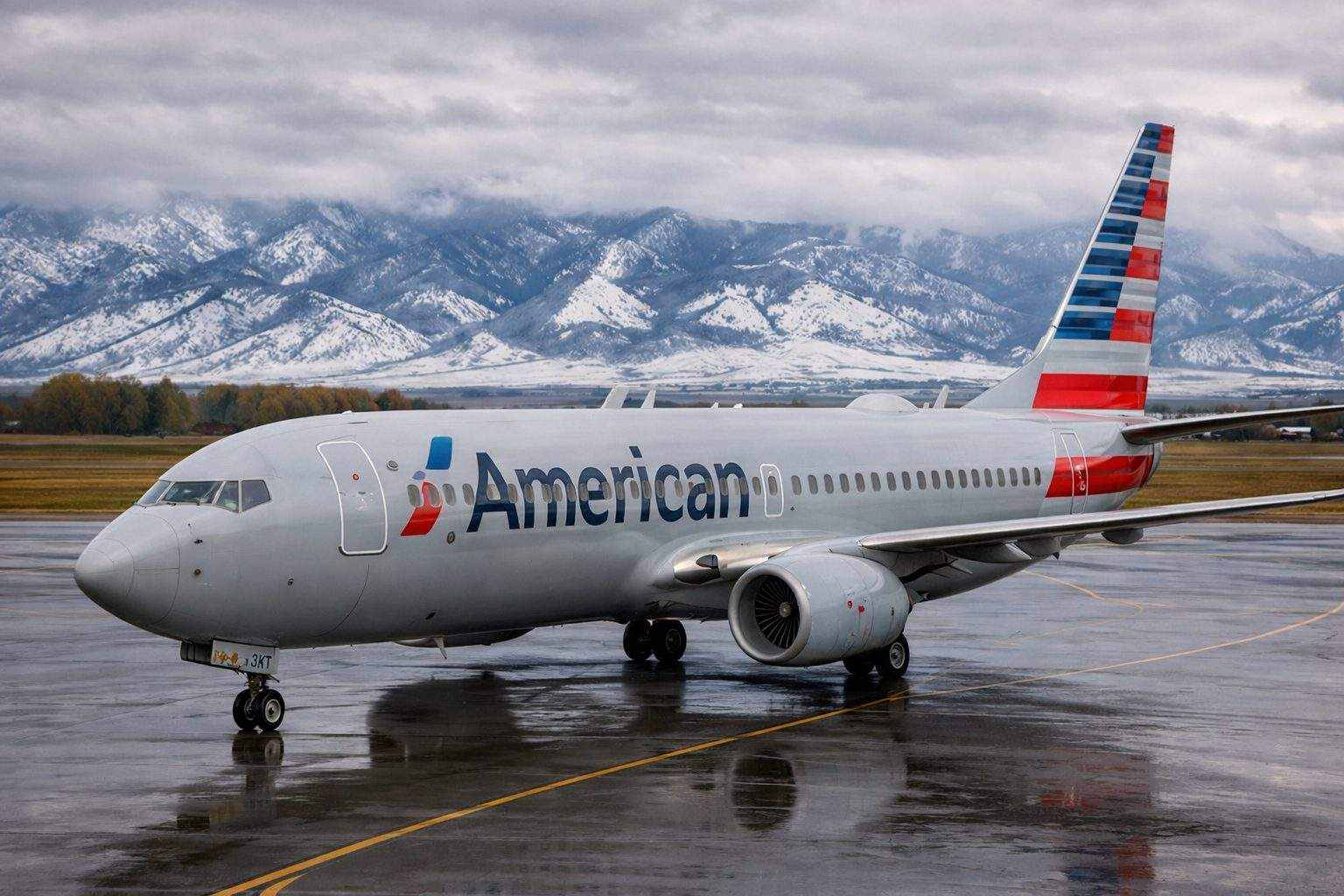
American Airlines Group slid roughly 3.9% to $10.30 late Friday, lagging the market as airline names took a hit amid fresh oil gains. Delta Air Lines shed 3.0%, United Airlines slipped 4.6%, while Southwest Airlines declined 5.5%.
This hits American at a rough time. In a March 17 filing, the airline projected first-quarter revenue up more than 10% from last year. But it also raised its assumed jet-fuel price to roughly $2.75 a gallon, warning that pricier fuel would likely drag results to the lower end of its previous estimate — a loss per share of 10 cents to 50 cents.
Speaking at a JPMorgan conference that day, Chief Executive Robert Isom said, “Demand for our product is strong,” estimating a year-over-year revenue boost of about $1.3 billion. He noted fuel costs had tacked on $400 million to first-quarter expenses in just seven weeks. Still, Isom maintained American was “built for times like this,” projecting the airline would close the quarter with $10 billion in liquidity and its debt at a 10-year low. American Airlines
Fuel ranks just behind labor as the priciest item on the industry’s books, generally accounting for 20% to 25% of operating costs. American skips fuel hedging, and according to regulatory filings seen by Reuters, a one-cent bump in jet fuel per gallon translates to roughly $50 million more in yearly expenses.
That’s part of the reason investors keep favoring Delta. North American jet fuel averaged close to $179 a barrel in the week of March 20, Reuters said, while Brent sat around $110. Morningstar’s Nicolas Owens pointed out Delta’s refinery setup can “mute the impact” when the spread between crude and jet fuel grows. American has already flagged higher fuel costs, saying they tacked on about $400 million to its Q1 fuel expenses. Reuters
But there’s a flip side: demand hasn’t given way. Just last week, Reuters noted U.S. carriers were managing to push fares higher. United’s Scott Kirby described the revenue picture as “really strong,” saying airlines, for the moment, could offset “100%” of the fuel jump. American, meanwhile, has shifted more aggressively toward premium cabins, corporate clients, and loyalty earnings, all in an effort to narrow the gap with Delta and United. Reuters
But American’s profit margins are slim heading into this crunch. Back in February, Reuters noted the carrier posted around $352 million in adjusted pretax profit in 2025—far behind Delta’s nearly $5 billion and United’s $4.6 billion. That gulf has given unions fresh leverage to press the board, leaving American exposed to any unexpected cost hit.
The wild card here is demand. On Friday, Reuters pointed out that U.S. consumer sentiment slipped to a three-month low in March. In another piece, Reuters noted that prolonged conflict and elevated energy prices could challenge even major U.S. airlines if household budgets and business outlays start feeling the squeeze.
At this point, the market is looking at American mainly through the lens of fuel costs, with revenue recovery taking a back seat. Friday’s moves made clear: investors seem to want firmer proof that demand growth can actually offset those pricier fuel bills.
Related articles: NASDAQ:AAL