
Mumbai, March 31, 2026, 17:30 IST
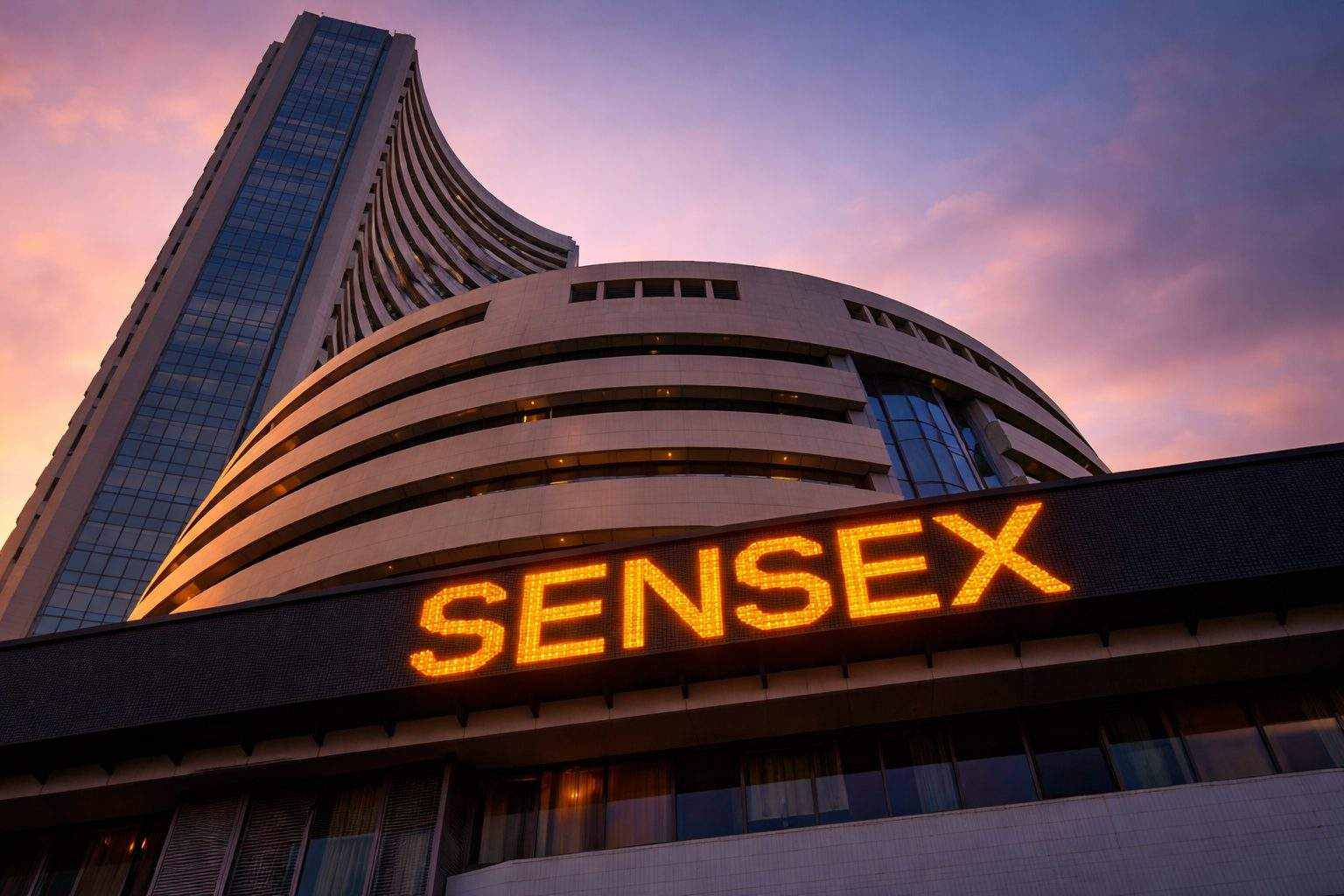
Indian equities step into the new fiscal year on the back foot, with the Sensex and Nifty both just having wrapped their softest fiscal-year showing since 2020. Oil prices stayed firm, the rupee lost more ground, and GIFT Nifty futures—acting as a stand-in for the coming Nifty session—edged up. Cash markets, though, stayed closed on Tuesday.
India ranks as the world’s third-biggest crude importer, so any sharp jump in oil prices feeds straight into inflation, fuel expenses, and the trade deficit. The rupee often takes a hit, bond yields climb, and that leaves the central bank with less room to act—right as the year gets going. Abhishek Upadhyay at ICICI Securities Primary Dealership flagged that markets were already bracing for monetary tightening to arrive earlier than many had anticipated.
Traders are pressed for time to make adjustments. With Indian cash markets shuttered March 31 for Shri Mahavir Jayanti, and April 3 for Good Friday, just Wednesday and Thursday are left on the calendar for trades this week.
The selloff hit hard on Monday. Sensex tumbled 1,635.67 points to close at 71,947.55, while Nifty 50 shed 488.2 points and finished at 22,331.4. Both benchmarks have now dropped over 11% in March. Early in the session, BSE-listed companies saw about 5 lakh crore rupees in value wiped out within minutes. India VIX, the market’s volatility index, shot above 28.
The rupee’s trajectory echoed recent patterns—up early, then down to a fresh low of 95.21 per dollar—wrapping up Monday at 94.83. Traders pointed to Reserve Bank of India intervention. For the fiscal year ended March 2026, the currency shed 11%, its sharpest annual drop since 2011-12. Notably, this came even as the RBI capped banks’ FX exposures and prompted some position unwinding.
Foreign capital is exiting fast. Overseas investors dumped $19.69 billion in Indian equities during the fiscal year—a new high for outflows. IT shares, which make up the benchmarks’ second-largest sector, fell 21.2%. Among the laggards: Tata Consultancy Services, Wipro, and Infosys landed near the bottom of the Nifty, evidence of the toll from global tech weakness and relentless foreign selling.
Oil is still the market’s pressure point. On Tuesday, Brent’s May contract—set to expire—hovered close to $115 per barrel. The more liquid June contract was near $108. That gap puts the benchmark on pace for a record monthly gain. “Restoring damaged infrastructure will take time,” SS WealthStreet’s Sugandha Sachdeva said, adding that supply could stay tight even if tensions cool. Reuters
Crude prices, the rupee, and foreign flows are now front and center for analysts weighing the market’s next move. “Crude oil price trends” and developments on a possible U.S.-Iran ceasefire remain in focus, according to Ajit Mishra at Religare Broking, who flagged both as sentiment drivers. Ponmudi R of Enrich Money pointed to the potential for any shift in the Middle East to push markets sharply via oil. On the data front, investors are scanning February’s industrial production and March’s HSBC Manufacturing PMI for clues on local demand. The Times of India
Indian equities have trailed behind their regional counterparts. Both the Nifty and Sensex fell short of Asian and emerging-market benchmarks during the fiscal year, with portfolio manager Sat Duhra cautioning that it’s “too early” for bargain-hunting—he points to persistent high valuations versus the rest of Asia. That premium remains a key reason foreign investors have largely kept their distance. Reuters
But everything turns on how long the oil shock sticks around. If crude prices retreat, short-covering could come in and give the rupee some footing. Bernstein, though, isn’t optimistic—its base case has the currency slipping to 98 per dollar, and if the Middle East conflict stretches into 2026, 110 isn’t off the table. Emkay’s Vivek Shukla didn’t mince words, calling a drawn-out Iran conflict a “catastrophic event” for India given its reliance on imported oil. The Times of India
The late read is steadier, though conviction is lacking. GIFT Nifty climbed 82 points, or 0.36%, as of 17:00 IST Tuesday, pointing to a stronger open on Wednesday. Coming off the weakest fiscal year since 2020, dealers will be tracking oil prices, rupee moves and foreign inflows in that order.
Related articles: Stock Market