NEW DELHI, April 12, 2026, 01:33 IST
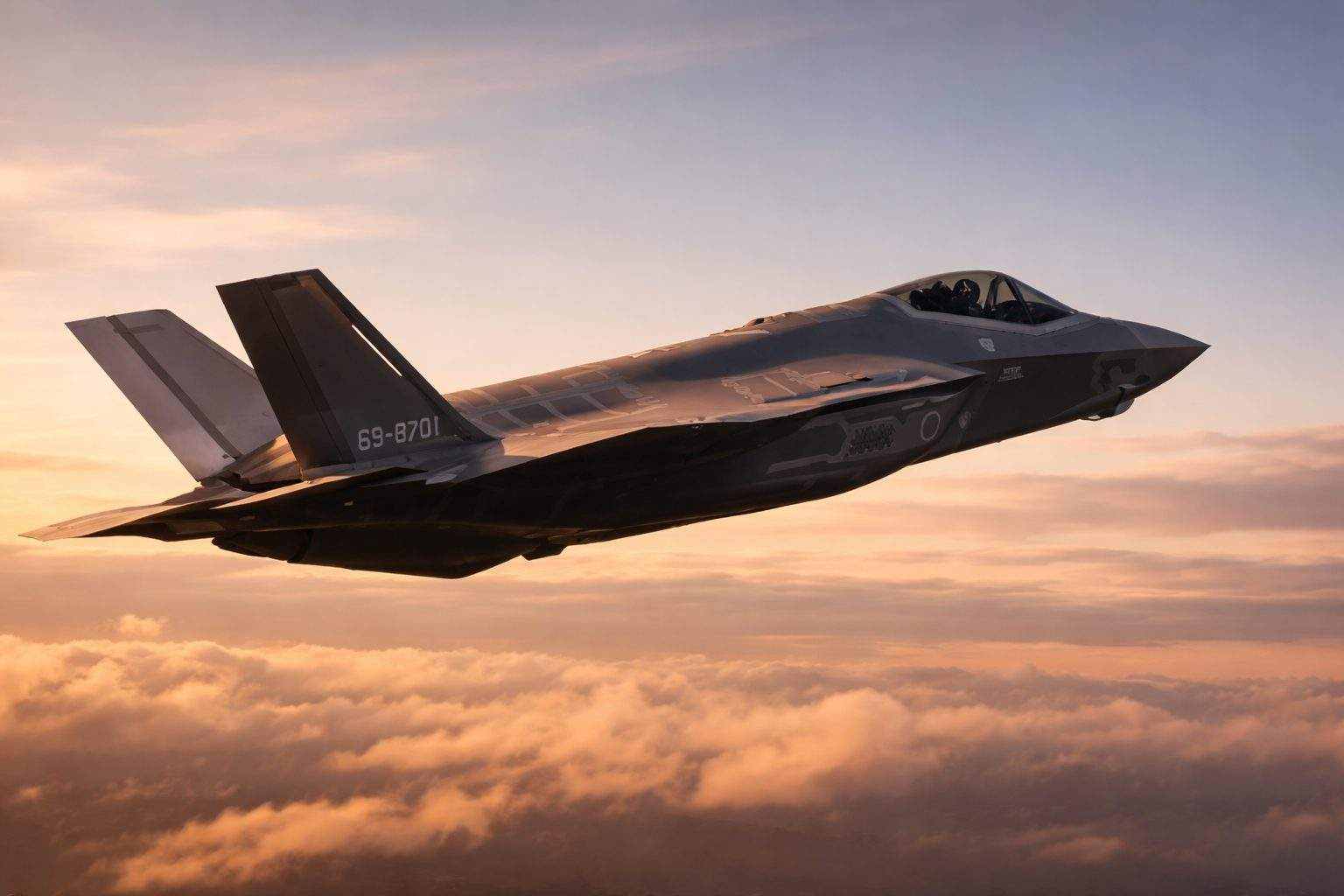
Lockheed Martin was quoted in reports published over the past day as saying it is not in direct talks with India over the F-35 and that any approach would have to run through Washington and New Delhi under the U.S. Foreign Military Sales process, the government-run route for sensitive arms exports. The clarification cools fresh speculation that recent Pentagon contacts had moved the stealth fighter closer to a deal.
That matters now because the buzz landed as India and the United States stepped up senior-level talks on defence, trade and technology. Indian Foreign Secretary Vikram Misri was in Washington from April 8 to 10, and official readouts from his meetings highlighted defence-industrial, technology and supply-chain ties and did not mention an F-35 sale.
The broader policy window remains open, at least on paper. In their February 2025 joint statement, President Donald Trump and Prime Minister Narendra Modi said Washington would review its policy on releasing fifth-generation fighters to India, and a March Pentagon readout on Under Secretary Elbridge Colby’s India visit said both sides were advancing a new defence framework signed last year.
New Delhi has been more cautious. India’s foreign ministry said in February 2025 that no formal acquisition process for a fifth-generation fighter had begun, and a parliamentary reply in August said no formal discussions had been held on an F-35 release.
For Lockheed, the distinction is not trivial. The F-35 is its biggest program and accounts for about a third of revenue. The company delivered a record 191 jets in 2025, and the White House’s fiscal 2027 defence wish list included 85 F-35s, underscoring how central the aircraft remains to Lockheed’s sales base and production planning.
India, meanwhile, is not short of options or spending plans. Reuters reported in February that New Delhi had cleared a 3.6 trillion-rupee ($40 billion) military upgrade that included more Dassault Rafales and Boeing P-8I aircraft, while a separate 114-fighter contest still has Lockheed, Boeing, Dassault, Saab, Eurofighter and Russia’s United Aircraft Corporation in the frame; Lockheed’s entry there is the F-21, not the F-35.
That fighter shortage is real. Laxman Behera, a defence expert at Jawaharlal Nehru University, told Reuters there was “no doubt” the Indian Air Force was deficient in combat squadrons as China fields more modern aircraft and Pakistan draws Chinese support. That helps explain why even a procedural update on the F-35 gets attention. Reuters
But the path is narrow. India’s fighter choices are shaped as much by technology transfer and strategic autonomy as by performance, and Amit Cowshish, a former financial adviser for acquisitions at India’s defence ministry, told Reuters that “Russia has never shied away from transferring technology,” a contrast that goes to the heart of why U.S.-controlled platforms can be a harder sell in New Delhi. Reuters
For now, the latest round of reports leaves the F-35 where it has sat for months: open in policy terms, distant in commercial terms. Until India files a formal request and the two governments move beyond broad defence-industrial talks, the jet stays outside Lockheed Martin’s near-term India pipeline.