
HOUSTON, April 14, 2026, 14:03 CDT
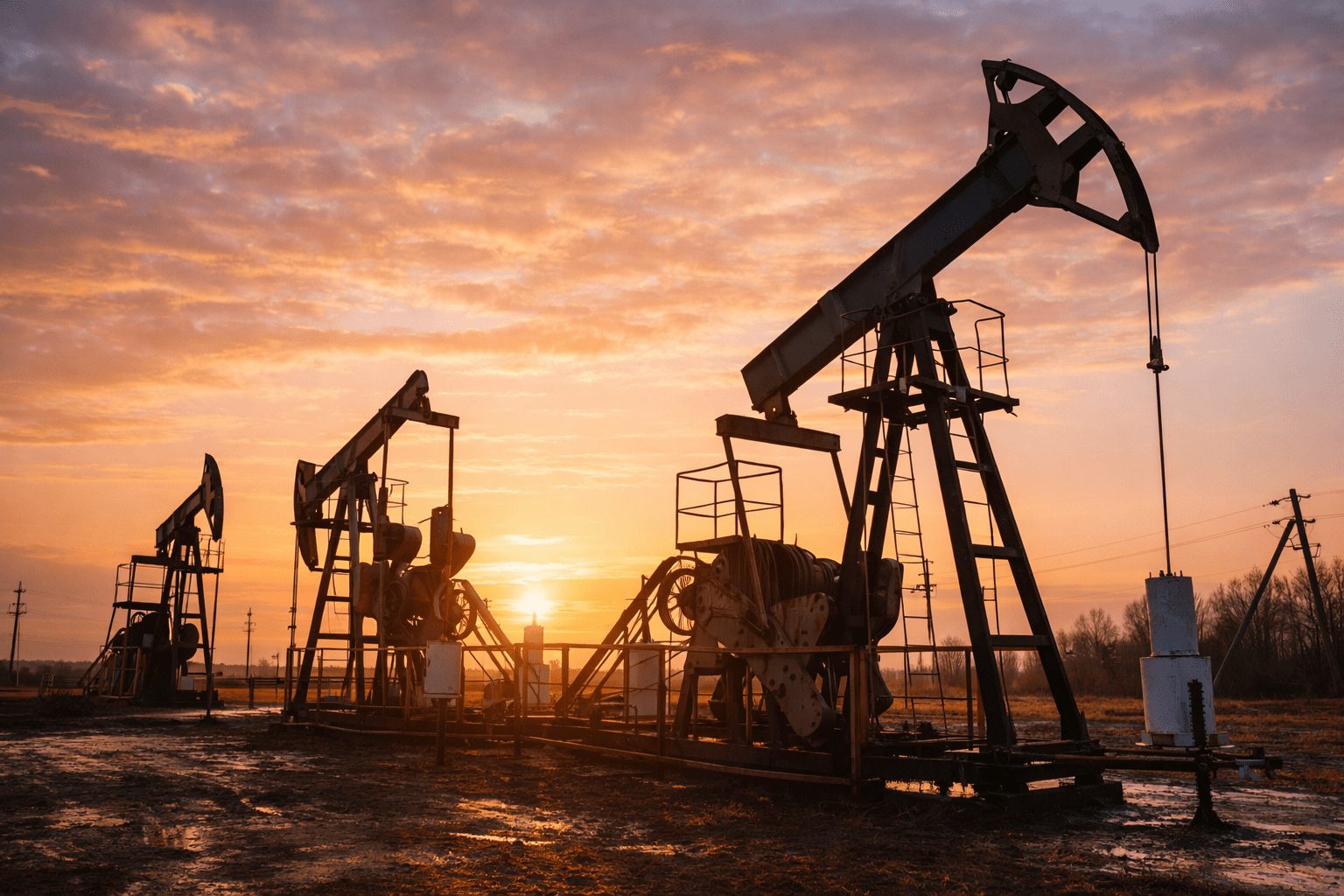
Oil tumbled on Tuesday. Brent crude slid to $95.02 a barrel, while U.S. West Texas Intermediate lost ground, settling at $92.60. The drop came as traders jumped on indications that Washington and Tehran might revive discussions, despite weekend talks falling apart. Just yesterday, both benchmarks had been trading over $100.
The pullback is significant, since talks haven’t managed to reopen the Strait of Hormuz. That chokepoint moved around 20 million barrels a day of crude and oil products in 2025—about a quarter of the world’s oil shipped by sea. According to the International Energy Agency, global supply tumbled by 10.1 million barrels per day in March, marking the largest single disruption ever recorded. The agency pointed to renewed flows through Hormuz as crucial for any sustainable drop in prices.
Tuesday’s drop fits into a broader trend. The International Monetary Fund warned the global economy is veering onto a tougher track, projecting growth down to 2.5% in 2026 with oil hovering near $100 a barrel—a scenario that keeps crude prices right in the thick of the inflation and rate conversation.
“There seems to be this hope in the market there is going to be a better outcome,” said John Kilduff, partner at Again Capital, in comments to Reuters. PVM’s Tamas Varga pointed out the market is shrugging off barrels stuck in transit, and flagged the risk that March’s highs could reappear if negotiations break down. The U.S. military, for its part, has already said its blockade now reaches as far as the Gulf of Oman and Arabian Sea. Negotiators may not head back to Islamabad until later this week. Reuters
The physical side looks grimmer. Kuwait hiked its May crude OSP for Asian buyers to a steep $17 a barrel above Oman/Dubai, up from just $0.50 in April. Saudi Arabia pushed Arab Light to a record $19.50 premium, and Iraq moved Basrah Medium up by $17.
Few banks are ready to call a top to the rally just yet. Morgan Stanley has left its Brent projections unchanged—$110 a barrel for Q2, then $100 in Q3—highlighting that supply chains could remain tangled for months even if Hormuz traffic resumes. ANZ, after raising its estimate from roughly $80, now sees Brent finishing the year at $88 and holding above $90 through 2026.
Volatility is making its mark on earnings reports. BP flagged “exceptional” first-quarter results from its oil trading arm, mirroring Shell’s upbeat trading update and underscoring how big commodity desks are cashing in on the same market swings squeezing refiners, airlines and fuel buyers. Reuters
Bank of America’s Michael Hartnett isn’t convinced risk assets are in the clear just yet. The chief investment strategist says the setup improves only if a ceasefire manages to send oil prices under $84—and even then, “but not a ‘close-eyes-and-buy’.” Crude has retreated from recent peaks but remains in a tricky spot. The IEA has trimmed its supply surplus forecast for this year to just 410,000 barrels per day, sharply lower than last month’s 2.46 million-barrel estimate. Reuters