
BEIJING, April 16, 2026, 06:09 CST
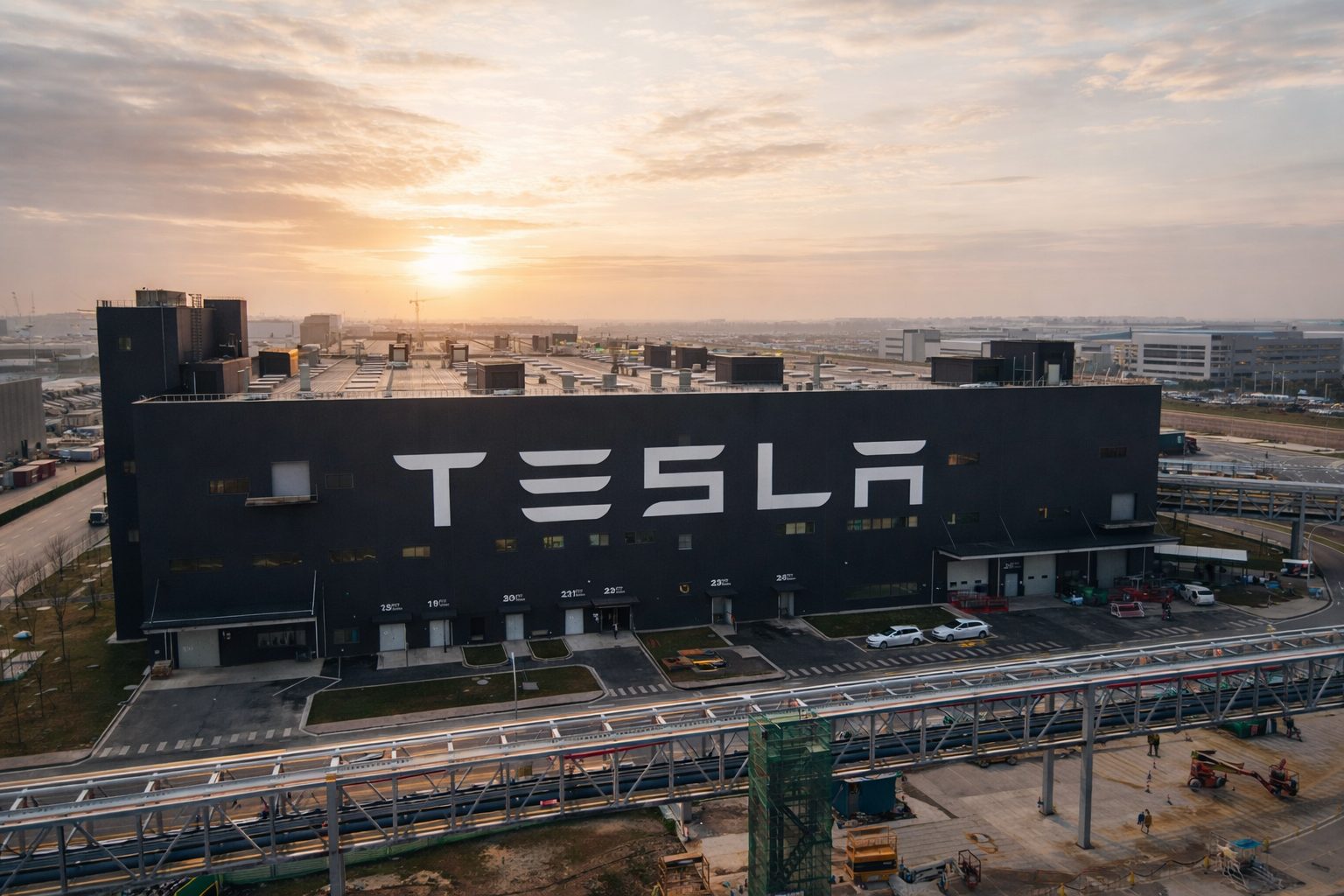
China is considering restricting exports of high-end solar-manufacturing equipment to the U.S., a step that could complicate Tesla Inc’s local production ambitions as the company moves deeper into non-EV sectors. People familiar with the discussions say the talks remain early and no decision has been finalized. The potential export controls could put fresh pressure on U.S. firms such as Tesla looking to build or expand new plants.
Tesla’s energy division is stepping up just as the core car business hits a rough patch. According to Reuters, the company’s storage segment is on track for gross margins of around 30% in 2025. That’s double the roughly 15% margin for the auto side, not counting regulatory credits, after U.S. EV sales slid over 25% in the last six months when the $7,500 federal tax credit ended.
Tesla had plans to purchase $2.9 billion worth of solar-panel gear from Chinese manufacturers, while Elon Musk has pushed for 100 gigawatts of solar output to be made in the U.S. by 2028. The Megapack—the company’s large-scale battery—has quickly carved out a significant role, posting $430 million in sales to xAI last year.
Beijing’s moves are rippling through a supply chain where China already holds sway. According to Reuters, the country produces over 80% of solar panel components worldwide and counts all of the top 10 makers of solar cell manufacturing equipment within its borders.
Some discussions have focused on equipment used in making HJT — that’s heterojunction — solar cells, which feature ultra-thin silicon layers to boost efficiency. Reuters wasn’t able to confirm how wide-ranging the licensing rules might be, their timeline, or which products and markets would fall under any new curbs.
Tesla and supplier Suzhou Maxwell stayed silent when Reuters reached out with questions. So far, Chinese regulators haven’t requested formal input from the sector, hinting the plan remains unsettled and could face revisions or delays.
Ford Motor is making its move, though it’s starting from a less advanced spot—$2 billion earmarked for a battery-storage unit over two years. General Motors, meanwhile, is repurposing an EV-battery plant in Tennessee for storage cells through its venture with LG Energy Solution. Bob Lee, who heads LGES in North America, called out “fallout” from the EV downturn and said, “I don’t think it’s going to be all rosy.” Reuters
Kurt Kelty, who heads GM’s battery operations and previously worked at Tesla, told Reuters back in January that it makes no real difference if a U.S. battery supply chain ends up serving EVs or storage systems. The numbers back him up: Benchmark Mineral Intelligence puts North American demand for stationary batteries at 76 gigawatt-hours this year—while factories pumping out EV batteries have capacity for about 275 GWh.
Tesla might have a lead, but the broader auto slowdown isn’t letting up. Lithium iron phosphate—known as LFP—is the mainstay for most storage systems, largely sourced from China, thanks to its lower cost. Reuters points out that converting plants over can run several hundred million dollars and take as long as 18 months. If China decides to clamp down on exports, that’s yet another snag for the industry.
Beijing stepping back wouldn’t solve Tesla’s bigger problem: its supply chain for vital battery materials remains exposed to U.S. trade hurdles, with Reuters pointing to 35% tariffs. Tesla’s invested ten years ramping up energy storage, but China’s move this day underscored how much of Tesla’s non-auto operations still depend on supply chains outside its grip.
Related articles: NASDAQ:TSLA