
FORT WORTH, Texas, April 18, 2026, 11:32 CDT
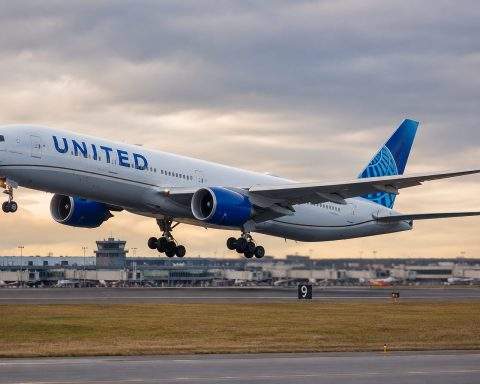
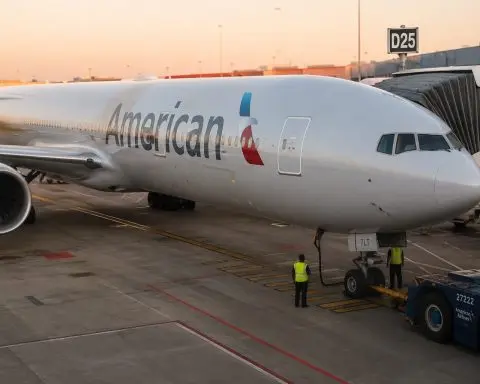
Late Friday, American Airlines Group Inc. quashed rumors of a possible tie-up with United Airlines, stating it isn’t in discussions with its competitor and has zero appetite for a merger that could transform the U.S. airline sector.
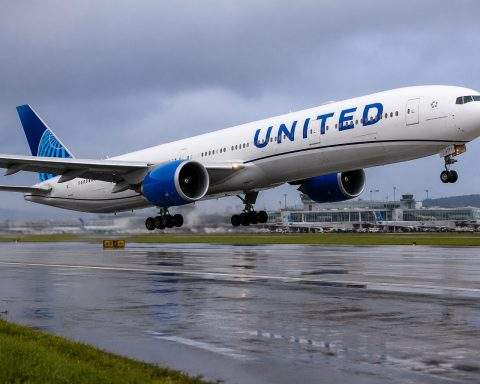
The rejection carries weight at this point: United CEO Scott Kirby floated the prospect of merging with American Airlines during a late February conversation with President Donald Trump, according to Reuters. Such a deal would have run straight into antitrust scrutiny—those are the laws designed to block mergers that might stifle competition or push up prices for consumers.
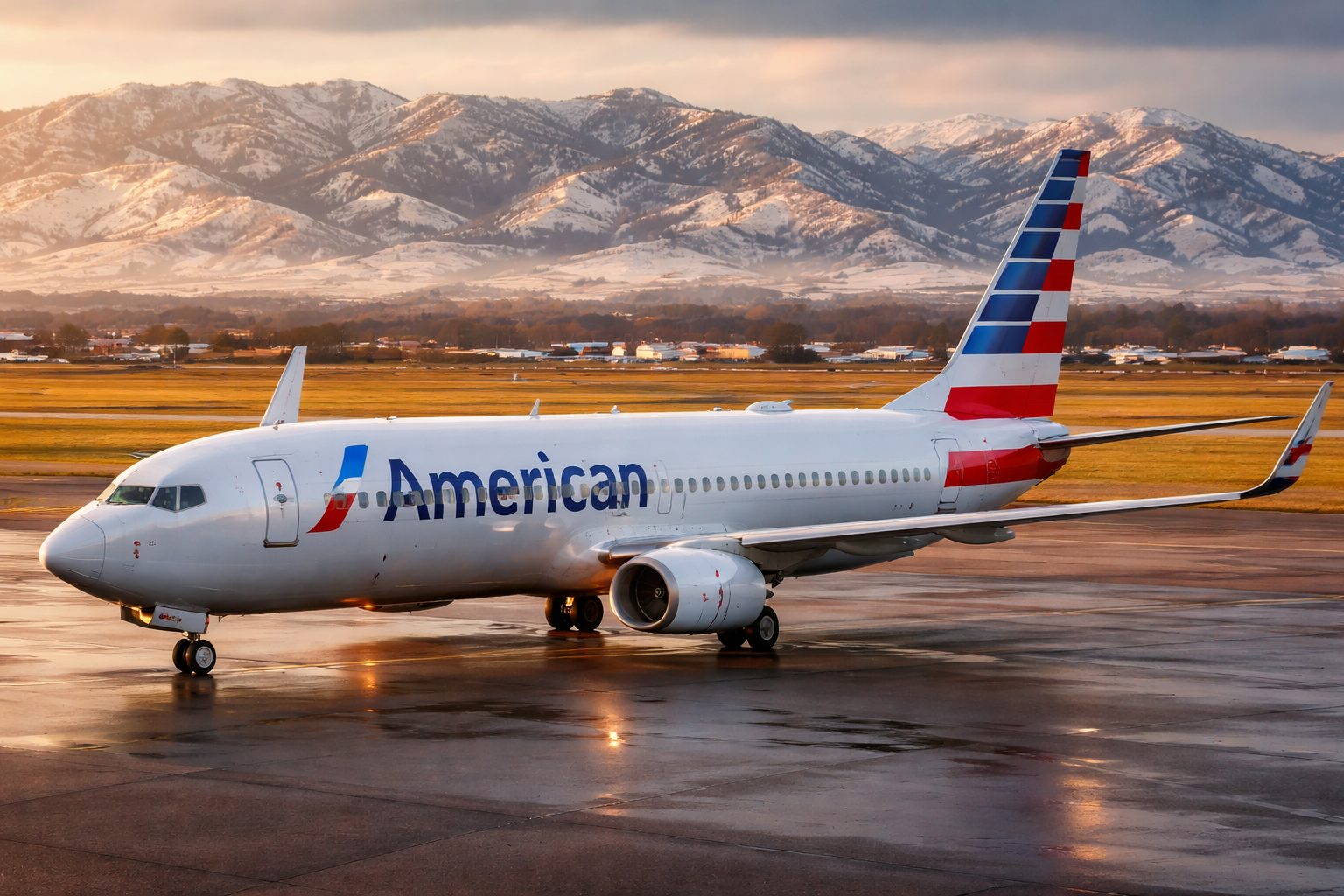
American’s response pulled no punches. The Fort Worth-based airline flatly stated it was “not engaged with or interested in any discussions” involving United, adding that such a merger would be “negative for competition and for consumers.” American Airlines
American gets a bit of a reprieve, though it’s slim. Investors are watching for any hint the airline can narrow its profit gap with Delta Air Lines and United, all while juggling debt, fuel expenses, and a business travel rebound that hasn’t found its footing yet.
The competition is fierce. According to Reuters, United and American rank as the top two global airlines by 2025 available capacity—with international routes in the mix. Should the two merge, schedules for 2025 show the combined airline would control about 40% of U.S. domestic flying capacity.
Competition experts weren’t convinced the deal would survive scrutiny. “This seems hopeless to me,” said William Kovacic, who runs George Washington University’s competition law center, pointing to significant route overlap in comments to Reuters. Antitrust attorney Andre Barlow called out the risk of shrinking the “Big 4” group of U.S. airlines down to a “Big 3,” leaving one player in a dominant spot. Reuters
The White House hasn’t backed the proposal. Press secretary Karoline Leavitt told reporters Wednesday that neither Trump nor the White House had “an opinion on” the matter. Lawmakers who concentrate on competition policy are already voicing political resistance. Reuters
U.S. equity markets are shut for the weekend, leaving American’s last trade at $12.78, up 4.1% from its prior close. United finished at $101.80, a jump of 7.1%. Delta wrapped up at $71.72, gaining 2.6%.
Forget merger talk for now—the immediate spotlight swings to American. The carrier reports first-quarter 2026 results via webcast on April 23 at 7:30 a.m. CT. Investors will zero in on fares, expenses, and how management’s independent strategy is shaping up.
On April 17, the company filed a preliminary proxy statement—a shareholder-meeting document detailing upcoming voting items. That arrived alongside the announcement rejecting the merger, putting governance and next steps front and center for investors watching the carrier.
The risk is still there. High fuel costs or weaker demand could leave American squeezed, deal or no deal. Reuters has noted the airline’s long-term debt stands at roughly $25 billion—more than its bigger competitors, and that leaves less room to maneuver.
American isn’t mincing words: forget a United tie-up. The tougher challenge? Showing its solo strategy is up to the task.
Related articles: NASDAQ:UAL