
New York, April 22, 2026, 13:10 EDT
- Nasdaq paced the gains among Wall Street indexes as President Donald Trump pushed out the Iran ceasefire, and earnings reports continued to draw buyers.
- Most of the push came from technology and chip names, while GE Vernova, Boeing, and Boston Scientific also climbed following their earnings.
- Oil hovered close to $100, with new ship seizures in the Strait of Hormuz leaving the rally vulnerable to another inflation jolt.
U.S. stocks climbed Wednesday, with tech names pushing the Nasdaq higher, as investors returned to technology shares and snapped up companies posting strong earnings following President Donald Trump’s move to extend the ceasefire with Iran.
The Dow Jones Industrial Average tacked on 381.18 points, or 0.78%, to reach 49,530.56 by 11:25 a.m. ET. The S&P 500 advanced 61.56 points, up 0.87%, at 7,125.15, and the Nasdaq Composite was higher by 313.74 points, or 1.29%, sitting at 24,573.70.
This shift is significant. Traders are still struggling to map out a less turbulent route through a conflict that’s driven up oil, dented sentiment, and pushed company costs higher. Iran’s capture of two vessels in the Strait of Hormuz—a chokepoint handling roughly a fifth of the world’s oil—underscored that the danger remains.
Right now, earnings are carrying the market. Analysts, using LSEG data cited by Reuters, are looking for S&P 500 profits to climb 14.4% in the first quarter from a year ago. Those numbers, though, largely reflect a stretch before the Iran war started raising costs.
Paul Nolte, senior wealth adviser and market strategist at Murphy & Sylvest, thinks the ceasefire shifts attention back to “the economy and earnings.” Still, as Nolte sees it, the truce might just “postpone a decision”—a line that pretty much nails the market’s dilemma. Reuters
Tech led the charge, with the S&P 500 information technology sector up 1.6%. The Philadelphia SE Semiconductor Index notched a new high, heading for its 16th consecutive advance. Micron Technology jumped 5.6%. Seagate climbed 2.5% after Barclays bumped its rating on the storage company to overweight.
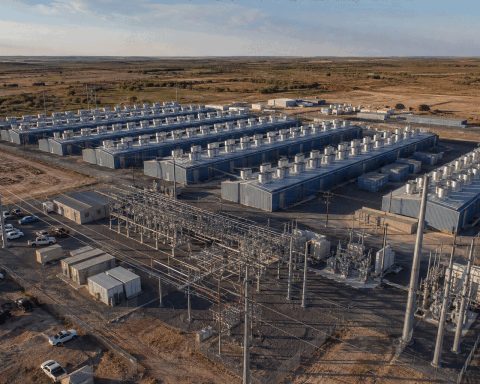
Shares of GE Vernova surged after the company lifted its 2026 outlook. For the first quarter, orders reached $18.3 billion, with backlog swelling by $13.0 billion. “Demand is accelerating,” CEO Scott Strazik said, pointing to rising appetite for GE Vernova’s power and electrification systems as data center expansion and grid investments continue fueling new business. GE Vernova
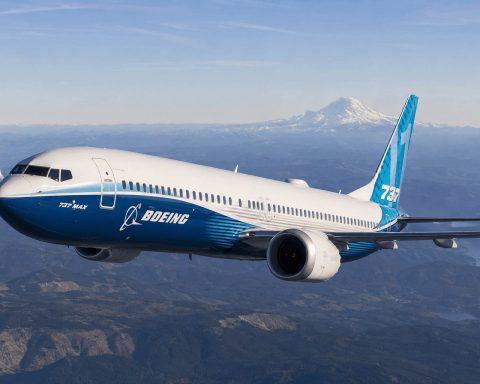
Boeing gave the Dow a boost, turning in a quarterly loss that wasn’t as steep as analysts feared. First-quarter revenue came in at $22.2 billion. The company posted a core loss of 20 cents per share and announced a record backlog of $695 billion. CEO Kelly Ortberg called it a “strong start to the year.” Boeing Investors
Boston Scientific shares climbed despite the company trimming its 2026 profit and revenue-growth outlook. Investors appeared to view the revised guidance as a fresh baseline. The company pointed to pressure on its electrophysiology segment, citing rivals Medtronic, Johnson & Johnson, and Abbott.
United Airlines shares slid after the carrier dialed back its profit forecast, blaming a jump in jet fuel prices. CEO Scott Kirby flagged the need for ticket yields to climb “15% to 20%” just to keep pace with fuel expenses, adding that pushing fares higher could put pressure on demand. Reuters
The big threat hanging over equities: investors are betting the Middle East volatility won’t spiral into broader inflation, higher rates or squeezed margins. Larry Adam, Raymond James’s chief investment officer, pointed out that stocks seem to reflect hopes for a “rapid resolution”—possibly, he warned, a bit too soon. Reuters
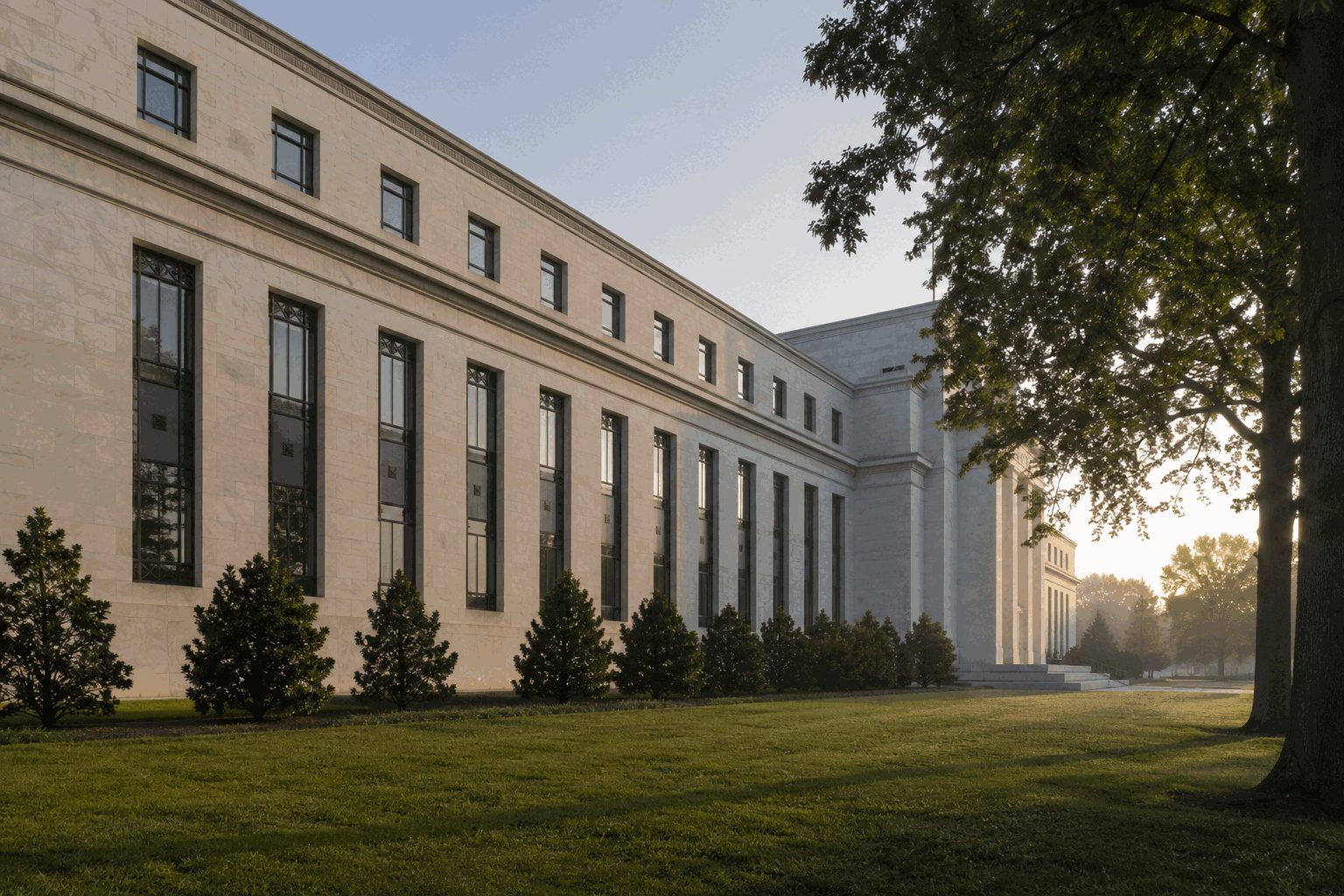
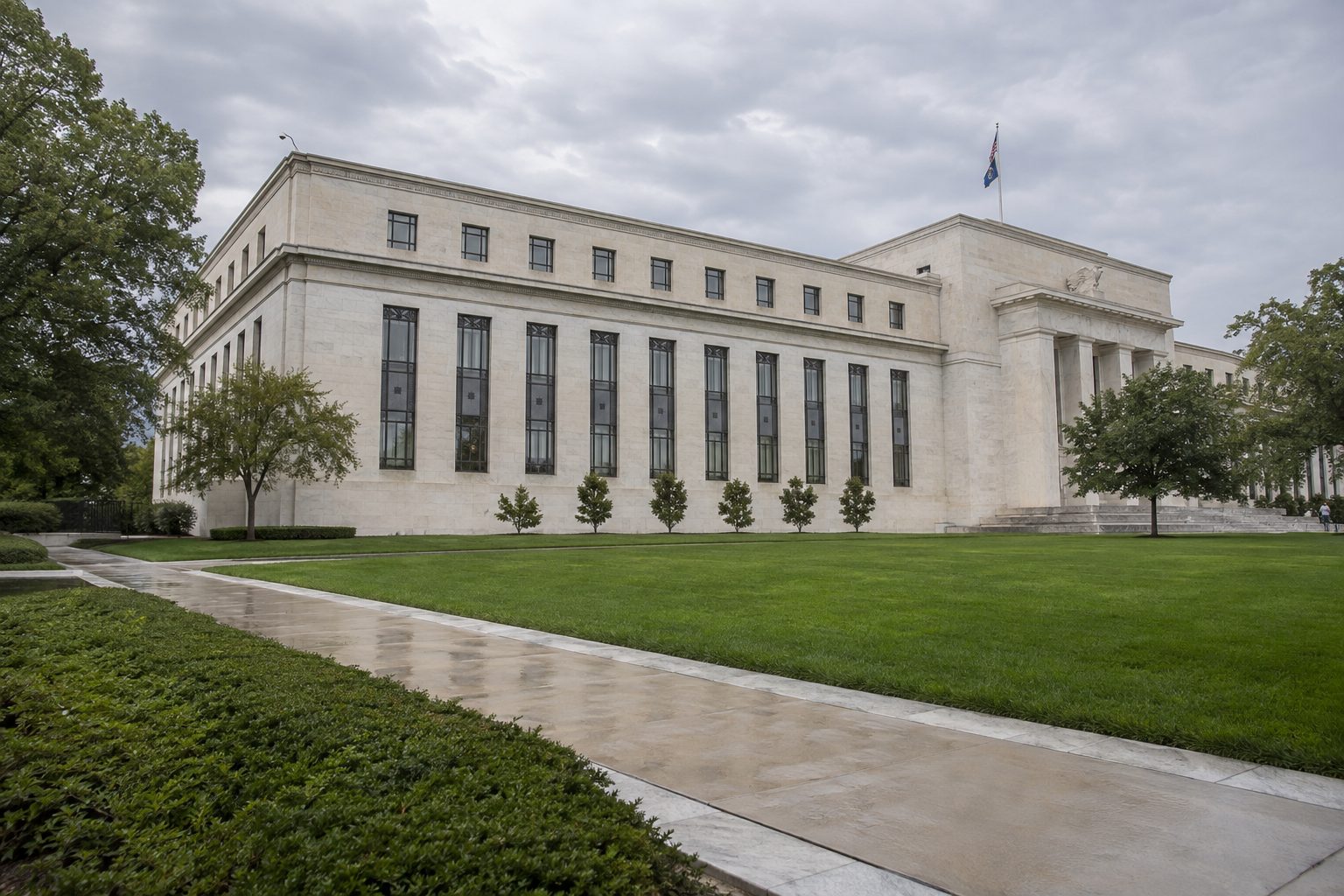
Rate expectations aren’t helping. According to a Reuters poll, most economists now see the Federal Reserve holding off on rate cuts until late 2026, citing persistent inflation risks linked to war-driven energy costs.
Tesla, Texas Instruments, and Southwest Airlines step up next, all set to deliver results after the bell. On Wednesday, investors shrugged off nerves about shipping, oil, and policy—though that patience held up only where earnings offered them a solid reason to move.
Related articles: NYSE:BA