
Houston, April 28, 2026, 14:01 CDT
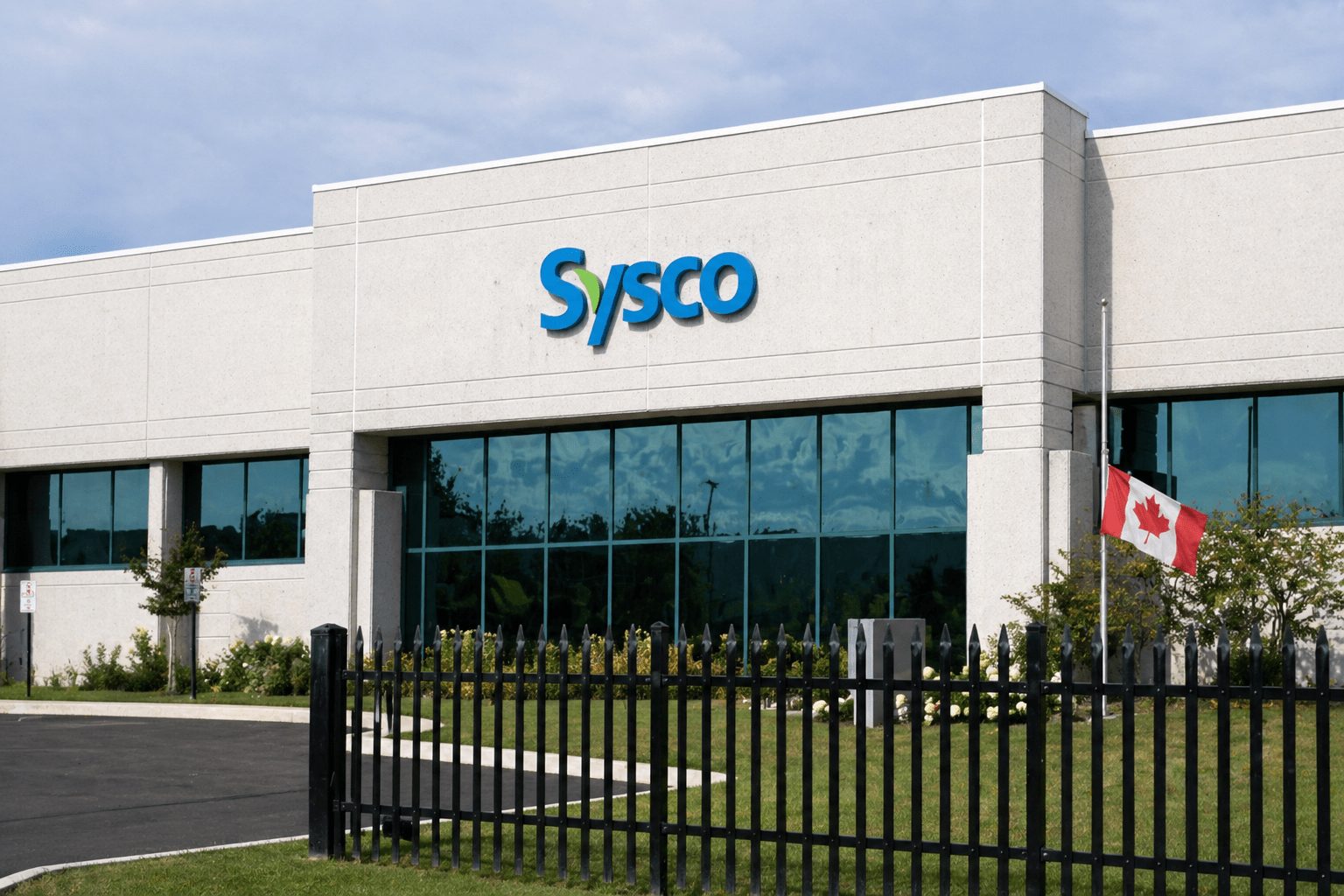
Sysco Corp. shares dropped roughly 3.6% Tuesday after the food distributor fell short of analysts’ sales expectations for the quarter—a reminder that demand from restaurants remains sluggish for one of the top U.S. suppliers to the food-away-from-home sector. Shares were changing hands at $72.62. Still, Sysco reaffirmed its fiscal 2026 adjusted profit guidance, sticking close to the upper end of its previous forecast.
Sysco’s miss has immediate implications, given its proximity to everyday consumers. A slowdown from restaurants, hotels, and caterers puts pressure on distributors almost instantly—case volumes slip, margins tighten, delivery routes thin out. According to Reuters, cost-focused consumers are opting to dine out less, reducing demand for both fresh and packaged food.
Less than four weeks after Sysco announced its $29 billion move for Jetro Restaurant Depot—an acquisition pitched at smaller, independent eateries—Tuesday’s numbers carried extra weight. Management insists those smaller spots are faring better than big chains. So, this quarter isn’t just another set of earnings; it’s the first real gauge of Sysco’s bet on local restaurants.
Sysco posted $20.5 billion in sales for the 13-week stretch ending March 28, a 4.7% increase over last year, but still a shade under the $20.57 billion analyst consensus from LSEG. Adjusted earnings came in at 94 cents per share, matching forecasts.
Net earnings landed at $340 million, down 15.2%. Operating income came in at $619 million, a 9.1% decline. Adjusted operating income barely budged, dipping 0.6% to $768 million, squeezed by a jump in incentive pay, hiring for sales, and more spending on capacity.
Beneath the surface, the numbers looked stronger. U.S. Foodservice sales climbed 3.1% to $14.2 billion; total case volume gained 2.3%, and local case volume improved by 3.3%. That local increase, said Sysco chairman and CEO Kevin Hourican, was the “highest quarterly rate in over three years.” Sysco Investors
Gross profit hit $3.8 billion, up 6.5%. Gross margin improved by 0.31 percentage point, landing at 18.6%. The lift came from higher volumes, sourcing efficiencies and pricing moves. Product cost inflation still ran 2.8%, mostly from dairy, meat and seafood.
Interim CFO Brandon Sewell highlighted “strong earnings execution and solid cash flow generation” for the quarter, but flagged a $63 million hit from incentive compensation. Sysco noted that the added costs trimmed adjusted earnings by roughly 10 cents per share. Sysco Investors
The company now sees full-year adjusted EPS landing at the upper edge of its $4.50 to $4.60 outlook. That number continues to factor in a roughly $100 million drag—about 16 cents per diluted share—from tougher comparisons as incentive compensation normalizes in fiscal 2025.
The Restaurant Depot deal stays at the heart of this. According to Sysco, Jetro Restaurant Depot has 167 warehouse stores—big ones—spread across 35 states, supplying over 725,000 independent restaurants and foodservice outfits. Regulators still need to sign off. Sysco expects to wrap things up by its third fiscal quarter of 2027.
The message for competitors isn’t subtle, even if it’s messy. Sysco’s size continues to shape the landscape in U.S. foodservice distribution. Still, US Foods Holding and Performance Food Group get plenty of scrutiny as possible disruptors in a field where swings in restaurant foot traffic, demand from independent clients, and fluctuating delivery costs can quickly slice into margins.
The downside risk hasn’t gone away. Sysco pointed to inflation and deflation pressures, shifting dining trends, potential supply hiccups, tariffs, and regulatory delays related to the Jetro transaction. Should restaurant traffic keep sliding, or if the Restaurant Depot deal runs into heavier regulatory scrutiny, that revenue shortfall could outweigh Tuesday’s steady profit outlook.