
Seattle, April 28, 2026, 14:04 PDT
- Starbucks bumped up its fiscal 2026 guidance after reporting a 6.2% increase in global comparable sales, with revenue advancing 9% to $9.5 billion.
- U.S. comparable sales climbed 7.1%, with gains driven by an uptick in customer transactions—not simply price increases.
- Shares jumped almost 6% in after-hours trading, with investors spotting more concrete signs that the “Back to Starbucks” plan is driving customer traffic back in.
Starbucks bumped up its full-year forecast on Tuesday after topping Wall Street’s expectations for both sales and profit in the quarter—news that sent shares climbing and gave CEO Brian Niccol a strong signal that his turnaround strategy is working. Revenue hit $9.5 billion for the second quarter, a 9% increase, with adjusted earnings at 50 cents per share for the 13 weeks ending March 29.
The timing is key here, as Starbucks spent most of the past year urging investors to ignore rising costs while it got a handle on staffing, service speeds, and in-store operations. Comparable store sales — that’s locations open at least 13 months — climbed 6.2% worldwide. That bump came mostly from heavier foot traffic, not just higher prices, which tends to be a healthier sign.
The turnaround showed up where it counted: U.S. comparable sales climbed 7.1%. Transactions increased 4.3%, and average ticket—how much each customer spent—ticked up 2.7%. Starbucks managed to draw more people in and get them to spend a bit more.
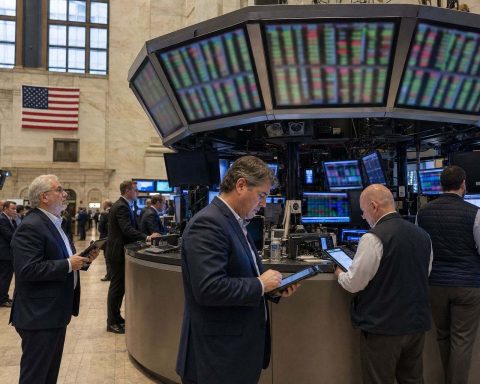
Investors wasted no time—Starbucks surged almost 6% after hours. The stock is already up roughly 15% for the year, Reuters said. Global comparable sales outpaced LSEG’s 3.7% estimate, and adjusted earnings cleared the 43 cents per share analysts were looking for.
Niccol described the quarter as the “turn in our turnaround,” crediting the Back to Starbucks plan with boosting both sales and earnings. Still, Chief Financial Officer Cathy Smith struck a cautious tone. “More work to do,” she said, though she noted improvements in comparable-sales growth and tighter cost controls were starting to lift margins. Starbucks Investor Relations
Starbucks raised its outlook for fiscal 2026, now projecting global and U.S. comparable sales growth of at least 5%—that’s up from the previous floor of 3%. The company also bumped its adjusted earnings target, putting the range at $2.25 to $2.45 per share, compared with its earlier estimate of $2.15 to $2.40. Its guidance for consolidated revenue stays unchanged: roughly flat for the year.
Starbucks’ latest moves are straightforward—think extra staff on the floor at busy times, tweaks to how it lines up mobile and walk-in orders, plus a friendlier vibe and cozier store layouts. The company has shaved expenses, too. AP says that’s meant shuttering some stores and laying off at least 2,000 non-retail employees as it bankrolls these changes.
The quarter didn’t solve Starbucks’ cost pressures. North America’s operating margin slid to 9.9%, down from 11.6% a year ago. Labor spending, changes in the product lineup, tariffs on imports, and pricier coffee all dragged on profitability, eating into gains from higher sales.
China’s still lagging. Starbucks reported China same-store sales up only 0.5%, as more transactions failed to counter a 1.6% drop in average ticket. The outlook? Starbucks is banking on transitioning its China retail business to a joint-venture licensee model in the back half of fiscal 2026.
Competition remains tight. Seeking Alpha pointed out the after-hours action for Starbucks next to McDonald’s and Dutch Bros, benchmarks for U.S. market trends in convenience, breakfast, and drinks. What stood out in Starbucks’ Tuesday update? Solid traffic gains in a segment where customer loyalty often shifts fast.
The real question now: can the chain hang onto these customer visits without sacrificing more margin? Starbucks pointed out that tariff pressures and higher coffee costs are likely to cool off in the back half of the year. Still, it faces the challenge of showing that improvements—nicer stores, speedier service, stricter cost controls—aren’t just a one-quarter story.
Related articles: NASDAQ:SBUX