
Sydney, April 29, 2026, 20:01 AEST
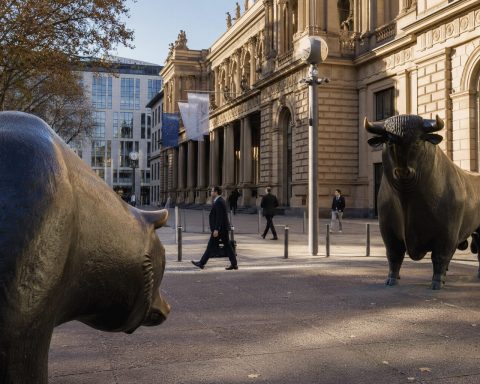
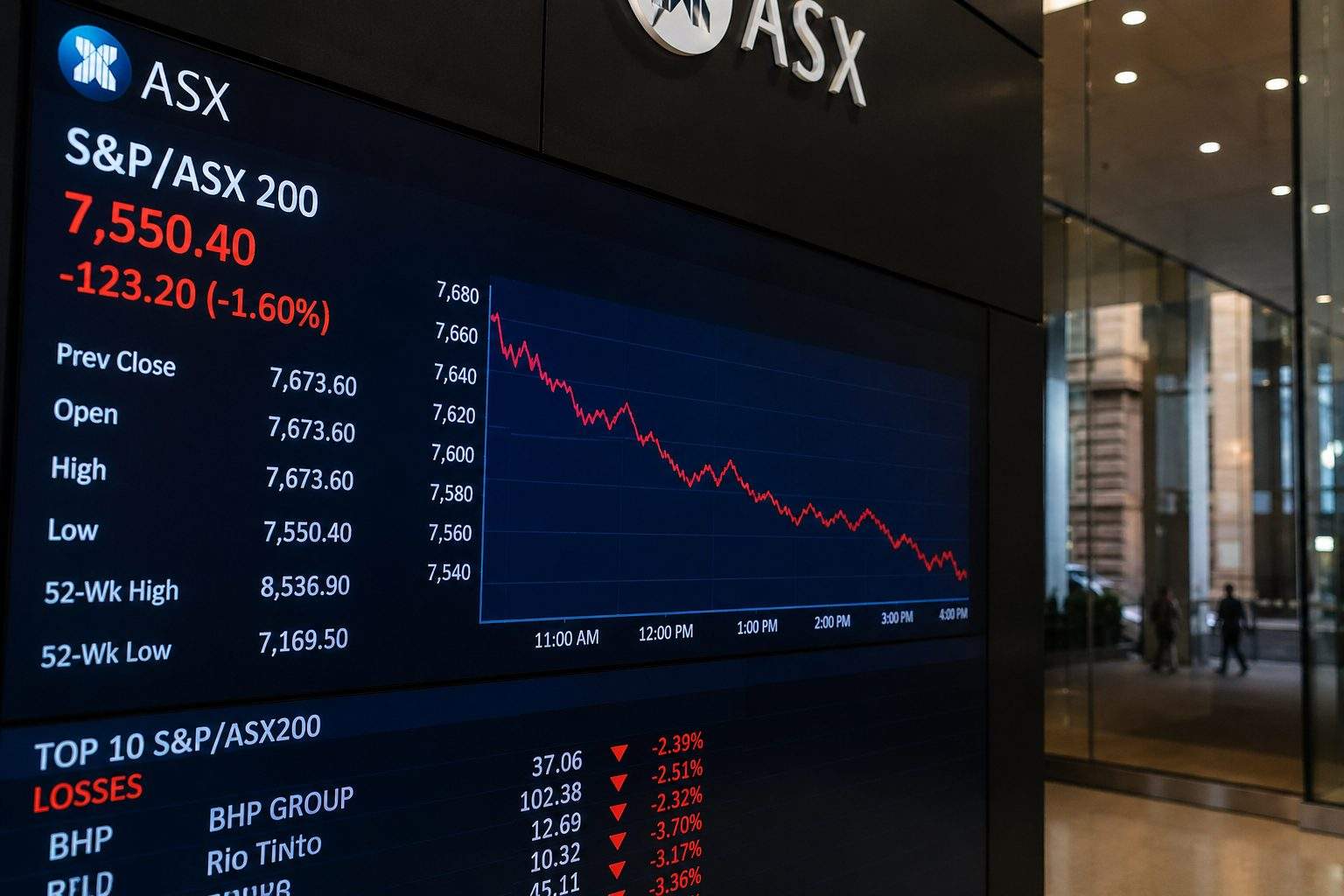
Australia’s share market finished in the red on Wednesday, dragging the S&P/ASX 200 down to levels last seen almost four weeks ago. A spike in inflation kept traders fixated on the Reserve Bank of Australia’s looming rate call. The benchmark gave up 23.7 points, or 0.27%, to close at 8,687—marking its seventh consecutive decline, the longest such streak since mid-2022.
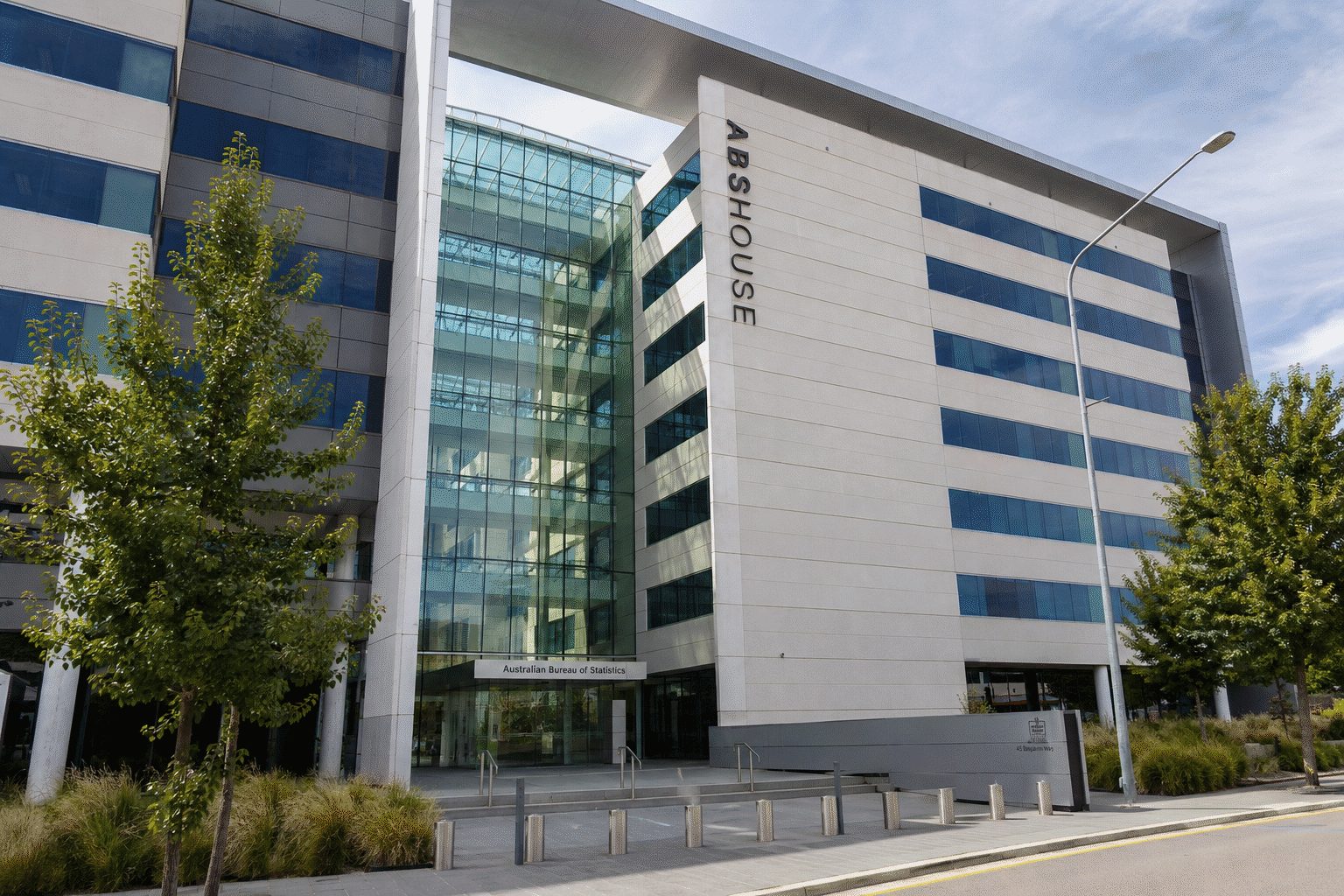
This shift is key, with inflation once more dictating risk pricing for Australian stocks. According to the Australian Bureau of Statistics, the consumer price index climbed 4.6% over the twelve months to March—an acceleration from February’s 3.7%, marking the highest level since September 2023. The trimmed mean, which excludes outsized moves, stayed at 3.3%.
The Reserve Bank of Australia’s cash rate target holds steady at 4.10%, with policymakers set to decide again on May 5 at 2:30 p.m. AEST. Following the latest inflation numbers, traders slashed the odds of a May hike—implied probability dropped to roughly 71% from 86%. Still, markets are geared up for a live call next week.
“March inflation landed on the high side, though it didn’t quite overshoot the worst forecasts,” said IG market analyst Tony Sycamore. The headline and trimmed mean readings are both still above the RBA’s 2%–3% target midpoint, he noted, which keeps the odds high for a 25 basis-point hike to 4.35% at the central bank’s meeting next week. AAP News
Kai Chen, director at MPC Markets, described the market’s move as “relief versus feared worse” after the ASX pared back its earlier drop. Still, he argued, nothing fundamental had shifted on inflation: “Without a genuine resolution, oil stays elevated, services inflation stays sticky, and the RBA stays hawkish into H2.” The Economic Times
Gains in utilities, up 2.18%, and energy, which added 1.27%, stood out. But health care dropped 1.36%, financials edged down 0.61%, and materials lost 0.38%. Despite those declines, MarketIndex noted that advancers just managed to outnumber decliners on the wider S&P/ASX 300.
BHP, Fortescue, and Rio Tinto all slipped as a stronger U.S. dollar and rising oil prices hurt commodity sentiment. The materials index trimmed some of its declines but still finished roughly 0.4% lower.
Banks pulled the index down too. According to AAP, financials slipped 0.6%. Commonwealth Bank weighed on the sector, and three of the big four banks dropped, while ANZ bucked the trend, climbing after its deal to acquire the rest of French partner Worldline in their payments JV. “An important barometer for borrower resilience and the health of the broader economy,” is how Sharesies head of capital markets Jacki Neumann described the upcoming round of bank results. AAP News
Energy names managed gains, with Woodside Energy climbing after first-quarter revenue topped forecasts—stronger realised prices compensated for output losses tied to cyclone disruptions. CEO Liz Westcott pointed out that because of lagged contract pricing, higher spot prices for LNG will boost results in quarters ahead.
Health care continued to lag. AAP noted CSL slid to lows not seen since August 2017, dragging the sector down 1.4%. Sellers kept up pressure after a rocky period for major health names, with Cochlear’s guidance downgrade still weighing on the mood.
But there’s risk in both directions. Should fuel prices drop quickly, or if the RBA judges that the oil shock isn’t spilling into wider price pressures, a pause is still on the table. Reuters quoted IG’s Sycamore, who noted that this view could catch on if the board feels the worst of the inflation scare is behind them. On the other side, the downside scenario looks more straightforward: a protracted energy squeeze risks keeping inflation above target and dragging rate-sensitive stocks back down.
The All Ordinaries slipped 19.3 points, or 0.22%, finishing at 8,915.7. Late trade saw the Australian dollar near 71.6 U.S. cents. Eyes now turn to U.S. rates overnight, with the RBA decision set for next Tuesday.
Related articles: Inflation