
London, April 29, 2026, 11:02 BST
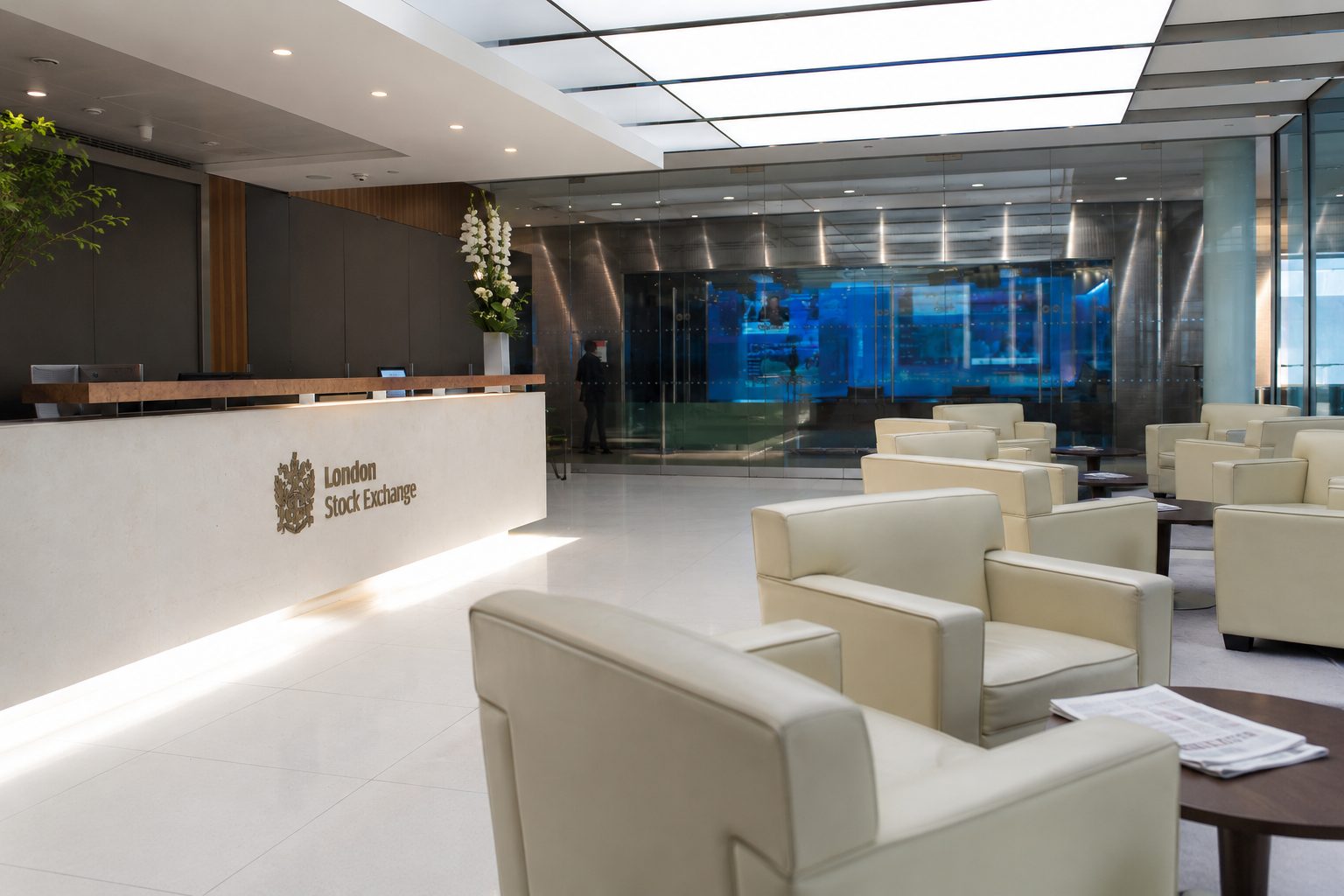
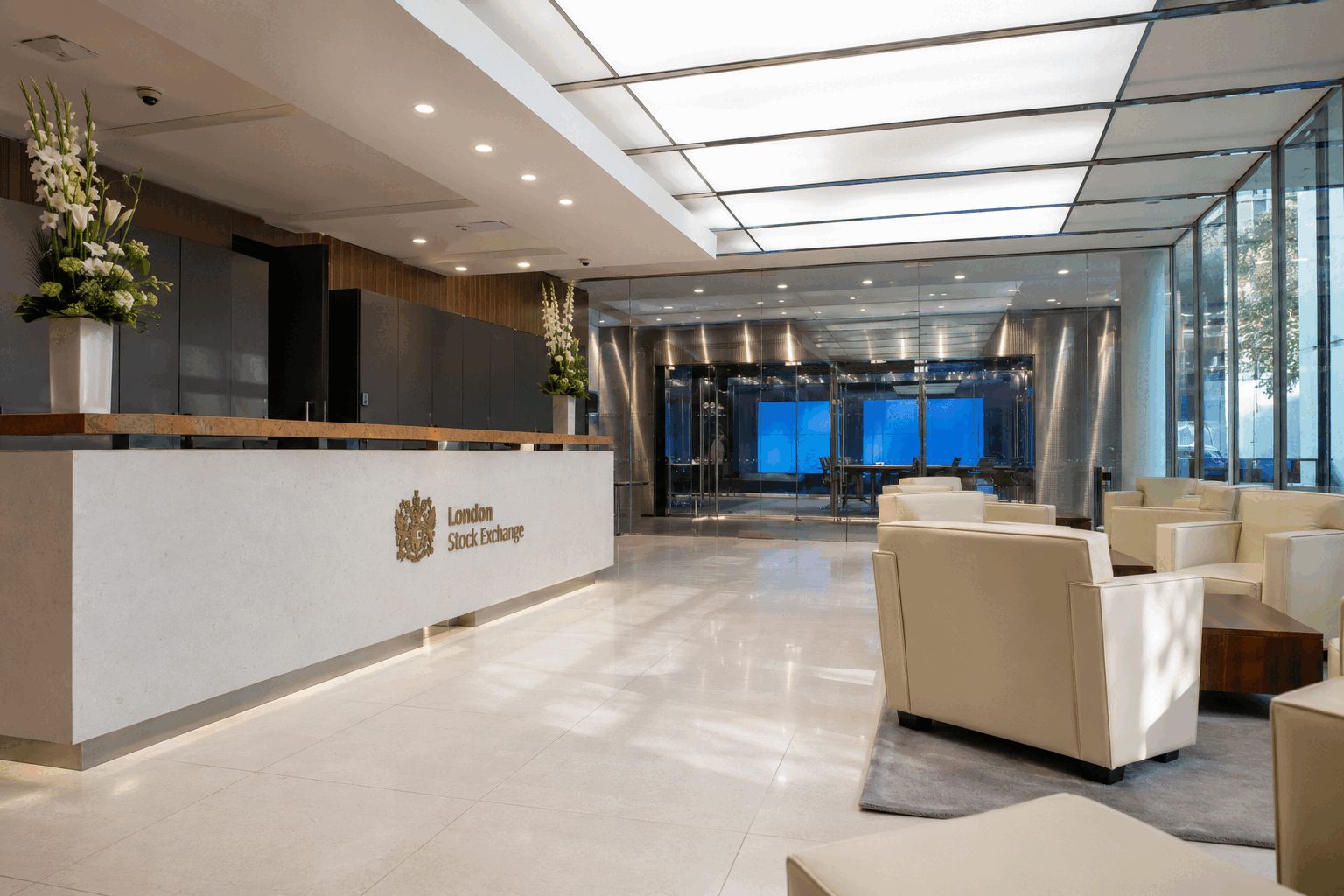
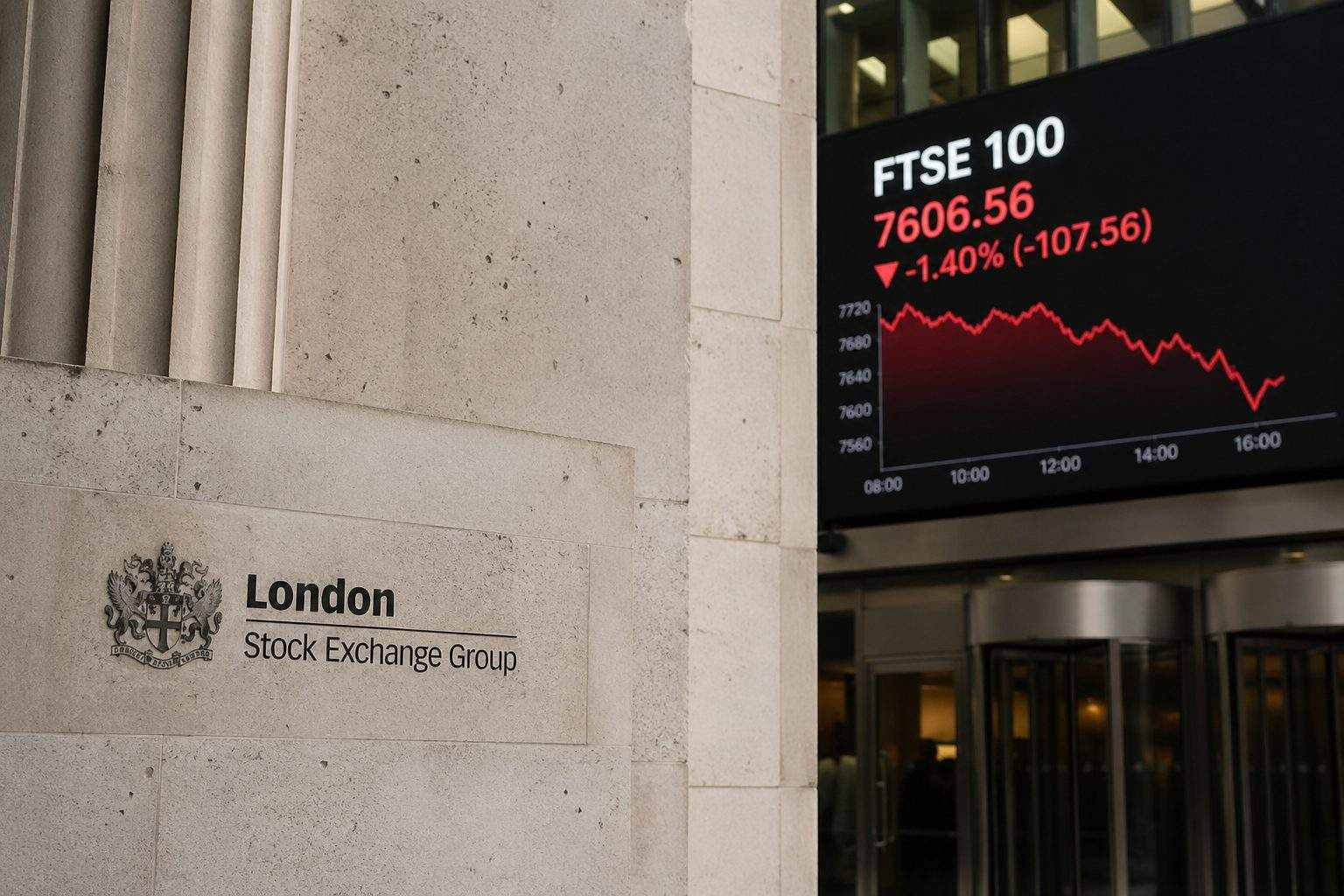
London’s FTSE 100 slipped 0.6% to 10,270.96 as of 10:39 BST, while the FTSE 250 hovered, edging down just 0.05% to 22,389.12.
This shift caught attention, landing just a day after the blue-chip index finally snapped a six-day slide. Energy stocks gave that rebound a lift, but it fizzled fast on Wednesday. Traders were staring down a packed earnings calendar, climbing oil prices, and looming central-bank calls in the U.S., euro zone, and UK.
Healthcare stocks dragged the market lower. AstraZeneca and GSK topped first-quarter profit forecasts, yet both saw their shares drop early, pulling down London and broader European healthcare names.
AstraZeneca is sticking with its 2026 forecast, highlighting steady demand for its cancer and rare-disease treatments. Chief Executive Pascal Soriot said the company remains “on track to achieve our ambition” for 2030. eToro analyst Adam Vettese noted the market barely budged, implying investors had already factored in most of the momentum. Reuters
GSK reaffirmed its full-year outlook after posting revenue of 7.63 billion pounds, with Shingrix—its shingles vaccine—logging a best-ever quarter. New CEO Luke Miels talked up “execution and accelerating R&D,” his nod to research and development, as investors look for proof the drug pipeline will make up for looming patent expirations. Reuters
Lloyds Banking Group turned in a cleaner set of numbers, with first-quarter pre-tax profit jumping 33% to 2 billion pounds—beating forecasts. Even so, it wasn’t enough to shift sentiment. The bank took a 151 million pound hit linked to Iran war risks. CFO William Chalmers pointed out that Lloyds is working on the assumption of a “gradual de-escalation” through the year. Reuters
Some corners of the market still found buyers. Shares of DCC shot higher after the Ireland-based group confirmed it’s weighing a cash buyout bid from Energy Capital Partners and KKR. The consortium has until June 10 to put forward a formal offer or step back.
Haleon—behind Sensodyne and Panadol—turned in a mixed quarter. The company posted 2.2% organic revenue growth, stripping out currency and portfolio shifts. CEO Brian McNamara highlighted solid oral health, though he flagged that a lackluster cold and flu season “tempered” results. Haleon Corporate
The UK’s slide mirrored a softer session across Europe. STOXX 600 dropped 0.3%, Spain’s IBEX shed 0.9%, and London trailed most other big markets. Marija Veitmane, State Street’s head of equity research, pointed out that Europe is often viewed as a key casualty in the Iran war scenario, given high oil prices could hit its economy harder.
UK stocks face a bigger test if Wednesday’s selling shifts from earnings jitters to a broader macro move. Persistent oil strength, plus any sign that the Federal Reserve, European Central Bank or Bank of England are putting inflation fears ahead of growth concerns, could leave little scope for investors to hope for rate cuts. In that case, even classic defensive names like drugmakers might not deliver their typical safe haven.
Earnings surprises aren’t cutting it. The FTSE 100 is drifting back near its lowest point in four weeks, with investors knocking down shares—even for firms that matched or exceeded expectations—as they hold out for more direction from oil prices and central bank policy.