
Washington, April 29, 2026, 08:03 EDT
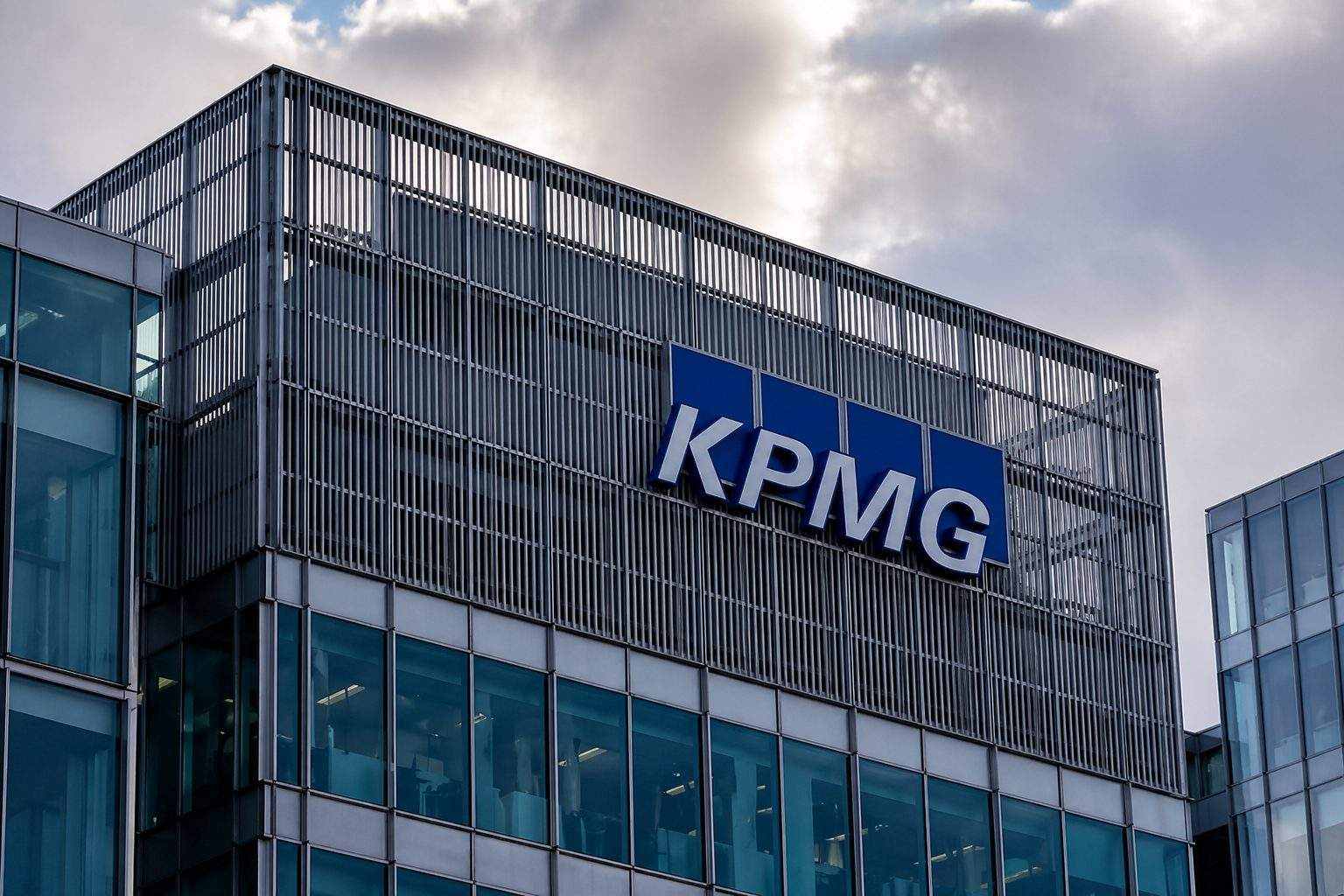
KPMG will wind down its U.S. federal government audit operation, reassigning over 450 staffers, after the firm lost its roughly $60 million-a-year Pentagon audit contract, the Financial Times said Wednesday.
This comes as the Pentagon faces a mandate to straighten out its finances by 2028. So far, not a single year has produced a clean audit—an unmodified opinion where auditors agree the books are in good shape—since comprehensive reviews kicked off in 2018.
This follows the department’s decision last month to overhaul its financial reporting, bringing in an independent public accounting firm to conduct consolidated Defense Working Capital Fund and agency-wide audits beginning in fiscal 2027. The move pulls back on separate service-level audits—work that’s historically involved the U.S. Army.
KPMG spent nearly ten years auditing the Army, which, according to the FT, was by far its biggest federal audit client. Now, the firm is unwinding contracts across other government agencies, too. Some employees have already transitioned to different positions, with more set to move before the last federal contract runs out in 2030.
KPMG told the FT it’s moving out of federal audit work in what it called an “orderly, multiyear process,” saying it’s staying on top of both client and regulatory obligations. According to the firm, federal audit staffers will shift into other areas of the business as the need for audit and advisory services ramps up. Investing.com
KPMG remains under contract to audit the Army General Fund’s financial statements for the fiscal year wrapping up Sept. 30, 2026, according to a Dec. 1 Pentagon inspector general notice. The firm’s task: assess whether the Army’s financials meet U.S. accounting standards.
EY handles audits for the Air Force, Navy, and Marines, per the FT. Of those, only the Marines have landed an unqualified—or clean—audit opinion. The competitive angle isn’t broad, but it matters.
The FT, referencing a federal database, noted that KPMG received around $40 million annually for each of the Army’s last five audits. That figure jumped to $64 million a year after a new agreement inked last October. Losing the Army work was enough to upend the economics of KPMG’s federal audit business.
Defense Secretary Pete Hegseth told the FT this week that the Pentagon is scrapping the “agency-by-agency opinions” approach and slashing the number of individual audits by about two-thirds. The department, he said, isn’t just shifting documents—it wants to hit its 2028 target faster. Luxembourg Times
Pentagon Inspector General Platte B. Moring III called the new composite audit method “meaningful progress” on the path to the 2028 clean-audit requirement, saying it would also maintain the inspector general’s independence. The deputy comptroller, Michael T. Powers, added that step one is securing a clean opinion on fiscal 2027 Working Capital Fund statements. U.S. Department of War
But there’s execution risk here. The Government Accountability Office flagged persistent trouble spots for the Pentagon: it’s still not preventing, catching, or fixing major financial errors. Material weaknesses remain—audit-speak for problems big enough to threaten accurate reporting.
KPMG’s exit signals a step back from one of the U.S. government’s highest-profile audit contracts, though the firm isn’t abandoning federal work entirely. Its promotional materials continue to market finance-transformation and audit-readiness offerings tied to the Pentagon’s 2028 target—a slice of advisory business that may hold up, even as KPMG shutters its federal audit line.
Related articles: Defense Industry

![Australia Stock Market Today 24/08/2026 [UPDATE: 11:40 AEST] [Miners Extend ASX Rebound as Ampol Delivers War Dividend]](https://ts2.tech/wp-content/uploads/2026/08/AU-market-dashboard-2026-08-24-1140-480x384.jpg "Australia Stock Market Today 24/08/2026 [UPDATE: 11:40 AEST] [Miners Extend ASX Rebound as Ampol Delivers War Dividend]")
![Asia Stock Market Today 24/08/2026 [UPDATE: 10:05 SGT] [Alibaba’s AI Placement Deepens Asia’s Heavyweight Selloff]](https://ts2.tech/wp-content/uploads/2026/08/Asia-market-dashboard-2026-08-24-1005-480x384.jpg "Asia Stock Market Today 24/08/2026 [UPDATE: 10:05 SGT] [Alibaba’s AI Placement Deepens Asia’s Heavyweight Selloff]")