
NEW YORK, April 29, 2026, 08:03 EDT
- AAA data put the average price for regular gasoline in the U.S. at $4.229 a gallon on Wednesday, a jump from $4.176 just the day before.
- Brent crude pushed past $114, with traders factoring in a drawn-out disruption linked to Iran and the Strait of Hormuz.
- Energy prices are once more fueling inflation pressure as the Federal Reserve heads into a day widely expected to end with rates unchanged.
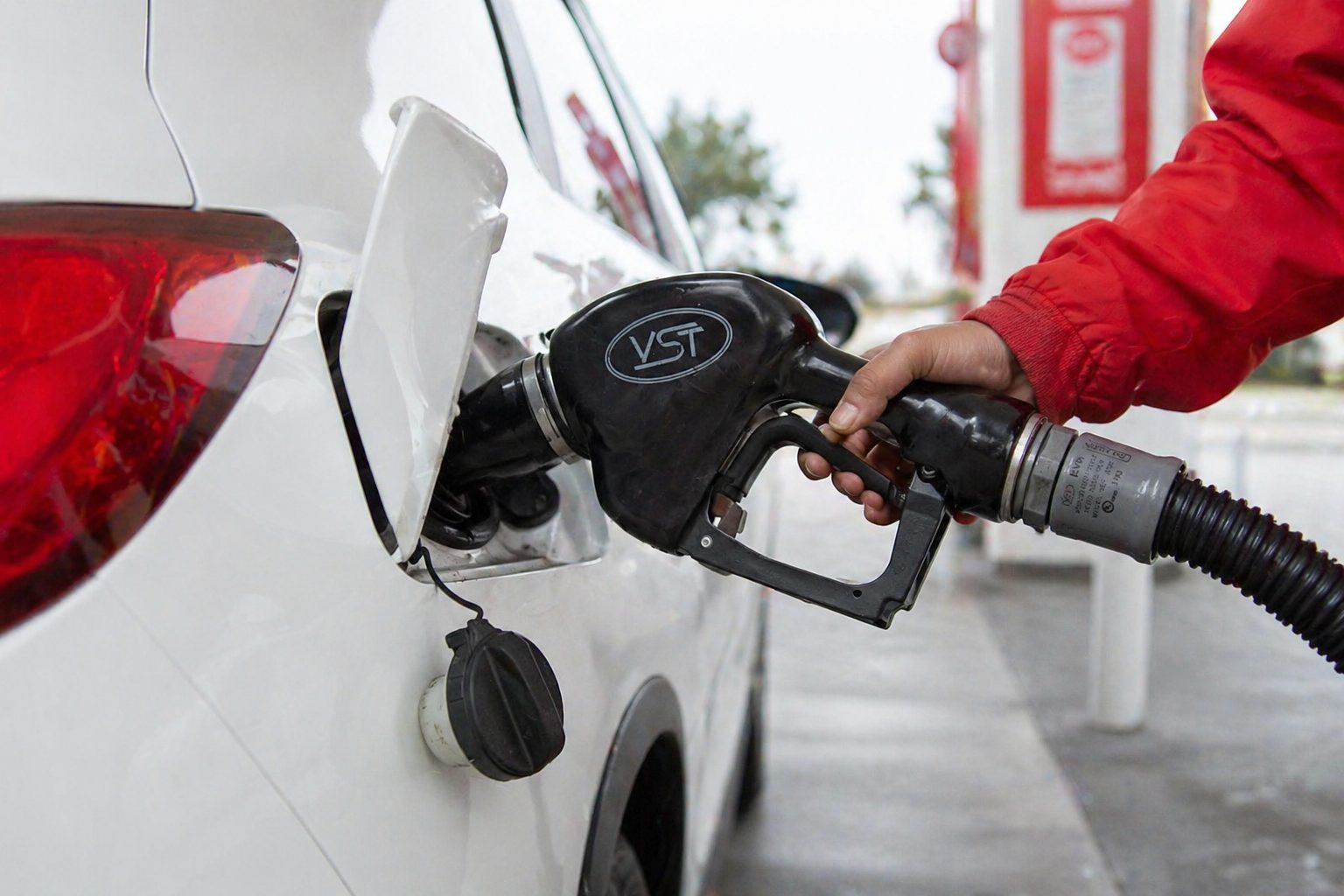
Gasoline prices in the U.S. jumped to $4.229 a gallon on Wednesday. The surge follows renewed tension over Iran, limited refinery output, and another climb in crude oil.
The jump counts now that the spike isn’t just in futures—drivers are feeling it at the pump. According to AAA, the national average is up roughly 21 cents over the past week, pushing prices more than a dollar above what they were a year ago. It’s a sharp hit for commuters, trucking operators, and retailers picking up freight bills.
The timing coincides with the Federal Reserve’s ongoing debate: are rising fuel prices just a blip, or could they entrench a tougher inflation trend? According to Reuters, policymakers look set to hold rates unchanged on Wednesday, as officials hash out whether persistently high energy costs might ripple through to broader inflation. “The news since the March meeting may shade the discussion a bit more hawkish,” said JPMorgan’s Michael Feroli. Reuters
Oil prices pushed higher Wednesday morning. Brent crude reached $114.59 a barrel by 1004 GMT. U.S. West Texas Intermediate followed, trading at $103.48 after reports surfaced regarding a possible U.S. extension of its blockade on Iranian ports. Yang An, analyst at Haitong Futures, commented that ongoing supply disruptions could “continue to push oil prices higher.” Reuters
The Strait of Hormuz remains the choke point. Roughly 20% of global oil and gas moves through this tight corridor, and prices have been climbing ever since the U.S. and Israel struck Iran in late February. “There has been no progress there at all,” said Rystad Energy analyst Susan Bell, commenting on stalled talks to defuse the crisis. Reuters
The U.S. fuel system isn’t helping matters. According to Reuters, refineries owned by Phillips 66 in Wood River, Illinois, Marathon Petroleum in Robinson, Illinois, and BP in Whiting, Indiana have all been hit with either maintenance work or outages, leaving some Midwest markets squeezed for supply.
Retail margins—the gap between what fuel sellers shell out and what drivers pay—have gotten slimmer. Tom Kloza, chief energy adviser at Gulf Oil, put it bluntly: retailers have been “taking one for the team.” He flagged that if wholesale prices continue to stay elevated, consumers could see even higher prices at the pump. Reuters
Gasoline stockpiles dropped by 4.6 million barrels for the week ending April 17, according to the latest U.S. Energy Information Administration data, putting inventories 0.5% under the five-year average. Crude oil inventories, on the other hand, climbed by 1.9 million barrels, with refinery utilization running at 89.1%.
OPEC’s got a supply curveball: the United Arab Emirates is leaving the cartel. That move flags trouble with group unity, but analysts quoted by Reuters downplayed any immediate price shock, pointing out Gulf logistics are still the main bottleneck.
The direction isn’t set. If Hormuz shipping resumes, refineries ramp up quicker, or demand drops, prices could slide. On the other hand, drivers could get squeezed if the blockade drags out, another refinery trips offline, or crude prices stay over $100—retailers likely can’t eat those extra costs for long.
At this point, $4 gas isn’t just a coastal headline—it’s a national one again. Traders are paying more attention to tankers, refinery output, and the unresolved Iran standoff than to whatever OPEC says. The clock’s ticking; if there’s no relief before the summer driving rush, household budgets could take a real hit.
Related articles: NYSE:JPM