
MENLO PARK, California, April 29, 2026, 14:01 PDT
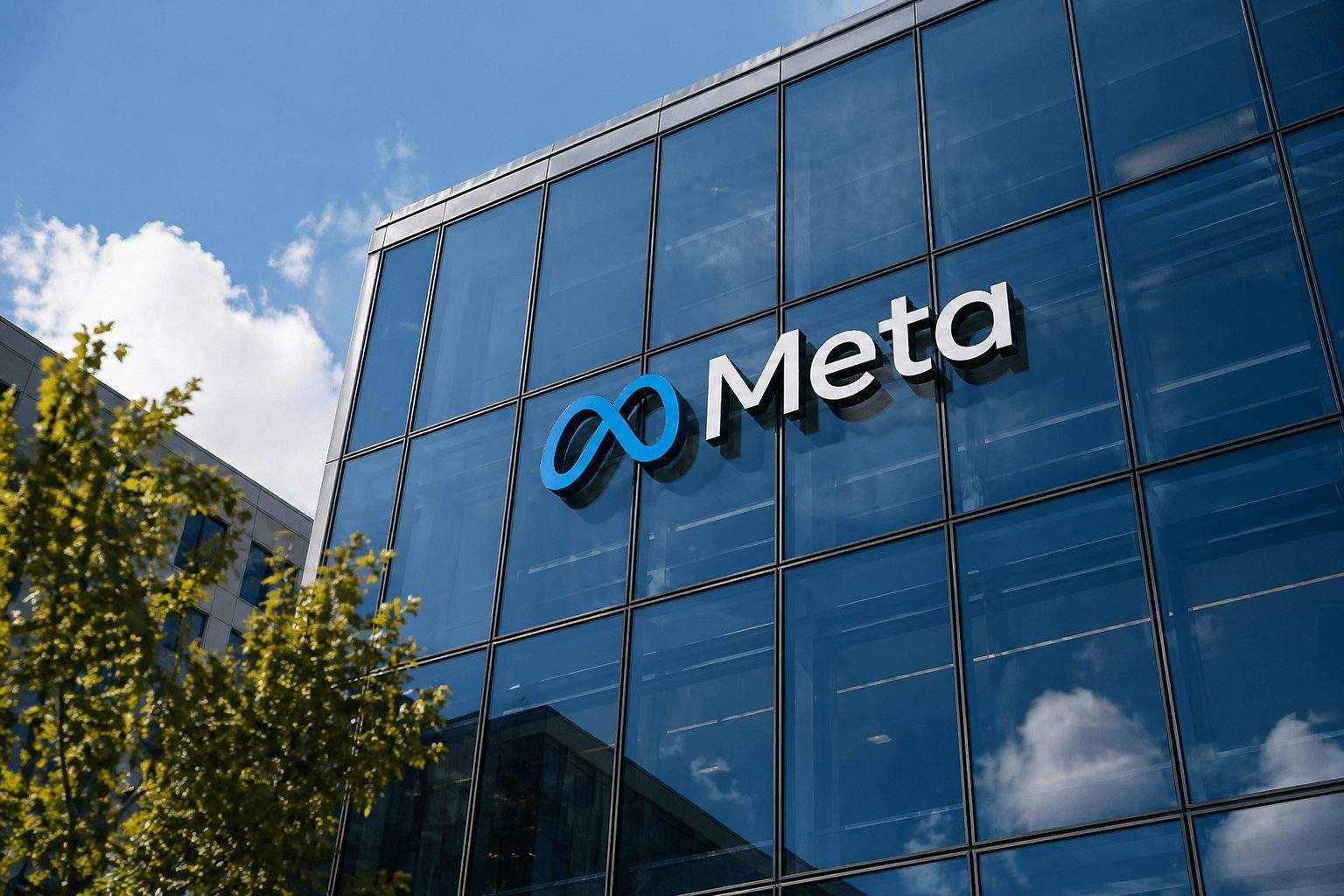
Shares of Meta Platforms slid about 5% in after-hours trading Wednesday, as the Facebook parent hiked its projected 2026 capital spending to a range of $125 billion to $145 billion, up from the $115 billion to $135 billion it previously guided. The higher forecast signals investors remain cautious about just how much latitude they’re willing to give Big Tech for AI investments before pressing for tangible payoffs.
The earnings beat didn’t carry as much weight as the move itself. Meta’s message to Wall Street is clear: artificial intelligence keeps driving a heavy capex bill, with data centers, chips, and other big-ticket assets demanding constant investment. Meanwhile, ad revenue continues to deliver cash.
Meta’s first-quarter revenue landed at $56.31 billion, a 33% climb from last year. The company posted diluted earnings of $10.44 a share, with net income hitting $26.77 billion—this figure reflects an $8.03 billion tax benefit. Meta noted that without the tax boost, EPS would have dropped by $3.13.
Mark Zuckerberg, Meta’s chief executive, pointed to “strong momentum across our apps” and highlighted the debut of the first model from Meta Superintelligence Labs. He added that Meta remains “on track to deliver personal superintelligence to billions of people”—raising the stakes for whether all that investment will ultimately turn into products and services that users and advertisers are willing to pay for. Meta
Meta’s CFO Susan Li pointed to “higher component pricing” as the main driver behind the company’s increased capex guidance, noting some extra data center spending will also factor in as Meta looks to boost future capacity. For the current quarter, Meta is projecting revenue between $58 billion and $61 billion, while the company is keeping its full-year expense forecast steady at $162 billion to $169 billion. PR Newswire
Meta’s revenue cleared expectations without complication. According to Reuters, first-quarter sales landed above the LSEG analyst consensus of $55.45 billion. For the current quarter, Meta projected sales roughly matching the $59.5 billion estimate. Family daily active people—users across Facebook, Instagram, and WhatsApp—climbed 4% year-on-year to reach 3.56 billion.
Even so, the drop highlighted how traders are factoring AI into valuations. According to Reuters on Tuesday, Alphabet, Microsoft, Meta, and Amazon together are looking at around $600 billion in AI outlays this year. Investors, though, want more than spending headlines—they’re pushing for evidence that these costs aren’t just dragging down free cash flow. “What’s the return on all the capital expenditure?” asked Joe Maginot, large-cap portfolio manager with Madison Investments. Reuters
Wedbush tech analyst Dan Ives called this reporting stretch a “prove it” moment for AI, as cited by Investopedia. On Meta specifically, Ives argued that Wall Street was missing the “flywheel effect” from AI-driven ad monetization, labeling Meta as one of the clearer AI monetization plays among Big Tech. Investopedia
Meta’s advertising business delivered numbers that pleased bullish investors. The company reported a 19% jump in ad impressions across its apps, while the average price per ad climbed 12%. More ads, higher prices—both up together. That’s the cash engine fueling its AI ambitions.
The landscape is moving. According to Reuters, Emarketer forecasts Meta will surpass Alphabet in global online ad revenue this year, pulling in $243.46 billion, just ahead of Google’s parent at $239.54 billion—traffic acquisition costs off the table.
Still, the risks loom large. Meta flagged ongoing legal and regulatory issues on both sides of the Atlantic, pointing to youth-focused investigations and more upcoming U.S. trials that might trigger significant losses. Rising AI hardware expenses or regulator-driven changes to the ad model could put those ambitious spending plans at odds with profits—margins might feel the squeeze before revenues catch up.
There’s an internal price tag too. Forrester analyst JP Gownder told Business Insider that Meta is “prioritizing capital investment over human loyalty” as it heads for more workforce reductions while doubling down on AI. Investors might shrug that off tonight, but it’s all tied to the same wager: staff cuts here, ramped-up spending on machines and data centers there. businessinsider.com
Related articles: NASDAQ:META