
London, April 30, 2026, 08:48 BST
- FTSE 100 nudged up at the open in London, steadying after tumbling sharply the session before.
- Company news from DCC, Unilever, United Utilities, Rolls-Royce, and Whitbread landed as investors weighed those updates with fresh concerns over inflation linked to oil prices.
- Attention stayed fixed on the Bank of England’s rate call later in the day, still the major macro risk hanging over markets.
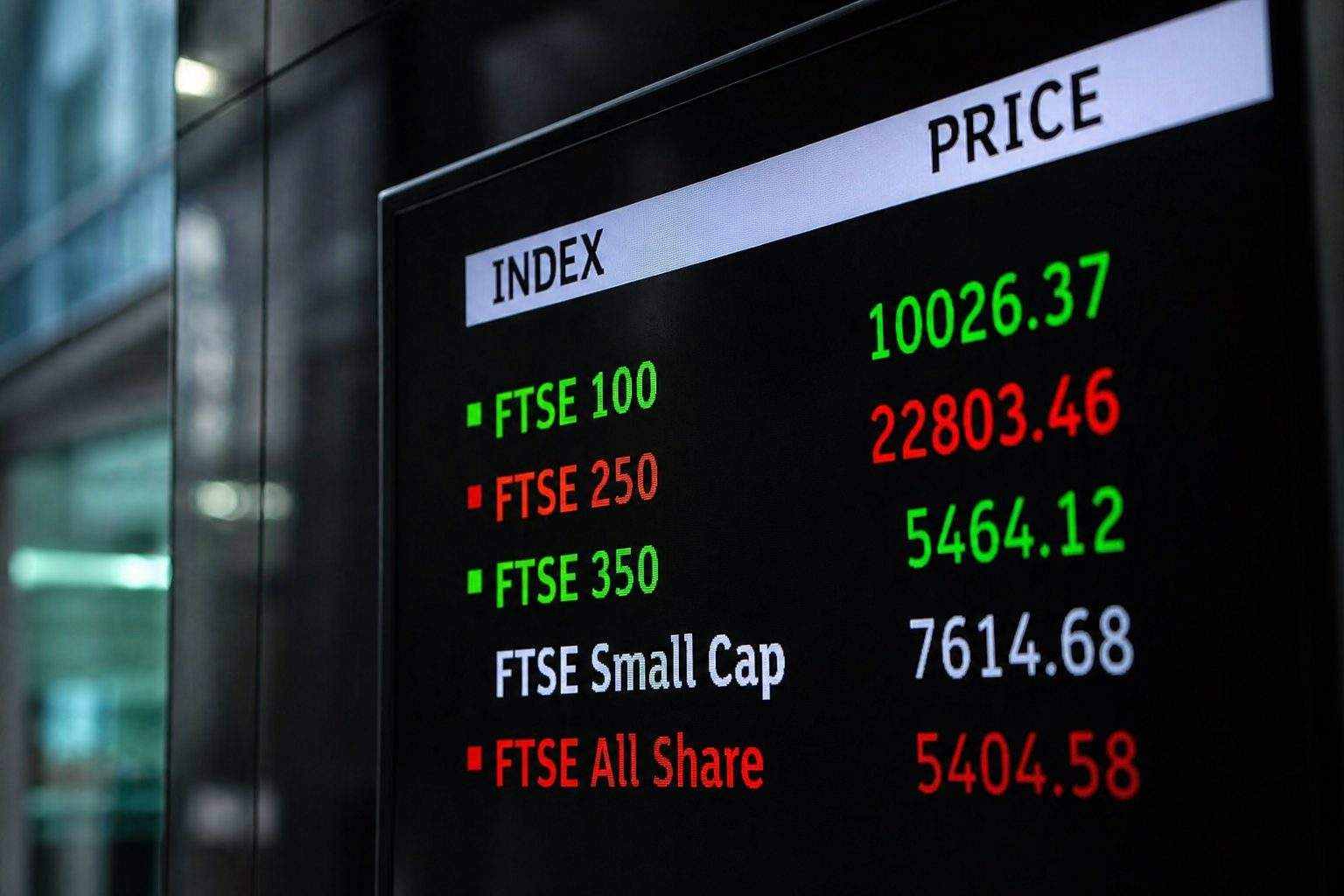
The FTSE 100 edged 0.10% higher to 10,222.85 in early London trading Thursday, while the FTSE 250 managed a 0.05% lift to 22,212.77. Brent crude advanced 3.52% to $122.19 a barrel, inflation and rate worries refusing to let up.
That slight uptick stood out after the FTSE 100 slid 1.2% on Wednesday—marking the seventh loss in eight sessions and putting the index at a one-month low. Recent declines have come on the back of uneven earnings and investor wariness ahead of policy moves from central banks in the US and UK.
The Bank of England is widely expected to hold Bank Rate steady at 3.75% on Thursday—every one of the 62 economists surveyed by Reuters predicts no move. Traders are zeroed in on the breakdown of the vote and the latest forecasts, searching for hints on whether rising oil prices could tip officials toward another hike, despite slowing growth.
DCC shares dropped roughly 5% after the Irish energy distributor dismissed a £4.95 billion ($6.66 billion) buyout bid from KKR and Energy Capital Partners, calling the offer too low. The proposed 5,800 pence per share in cash came in just 8% above DCC’s last closing price before the approach surfaced. KKR and Energy Capital Partners now have until June 10 to go firm with their bid or back off.
The rejected offer fueled ongoing chatter about possible takeovers of UK-listed firms. According to Reuters, companies like Beazley, Schroders, and Intertek—also part of the FTSE 100—have all drawn bids lately, reflecting how London’s cheaper valuations are still tempting buyers. RBC Capital Markets analysts put the odds of a deal at DCC as “a good chance,” but doubted it would fetch much more than a 10% premium over the current share price. Reuters
Unilever lifted sentiment after launching a 1.5 billion euro buyback and posting underlying sales growth of 3.8% for the first quarter—figures that exclude currency effects and asset sales. CEO Fernando Fernandez described the start to the year as strong and continues to back the company’s 2026 targets. Even so, Unilever still sees this year’s sales growth landing at the lower end of its 4% to 6% range.
United Utilities shares climbed after the company projected a bump in annual revenue and put forward an extra 1.4 billion pound investment proposal to Ofwat, the water regulator. CEO Louise Beardmore pointed to “real progress” on issues like storm overflow spills, sewer flooding, and customer service. Severn Trent moved higher as well early on, nudging the utilities sector up as investors looked for shelter. Reuters
Shares in Rolls-Royce climbed after the company reaffirmed its 2026 targets: underlying operating profit is still seen between 4.0 billion and 4.2 billion pounds, with free cash flow projected at 3.6 billion to 3.8 billion pounds. CEO Tufan Erginbilgic maintained confidence, saying the engine maker aims to “fully mitigate” the current financial drag from Middle East disruption. The company noted a 5% increase in large engine flying hours, now sitting at 115% of 2019 levels for the first quarter. Rolls-Royce
Whitbread slipped. The Premier Inn operator announced plans to swap out its last 197 branded restaurants for in-house dining at its hotels—a move that puts roughly 3,800 jobs in the UK and Ireland on the line. The overhaul comes as the group looks to boost returns in the face of rising property taxes and activist heat from Corvex Management.
Oil’s volatility remains a real threat. The dollar climbed to its highest level in two weeks, lifted by concerns that pricier crude could stoke global inflation. Sterling eased down to $1.3463. Charu Chanana, chief investment strategist at Saxo, flagged the risk: if the Hormuz choke point stays blocked, expect higher transport costs, squeezed margins, and rising inflation expectations—potentially complicating central bank moves.
UK stocks aren’t straying far at the moment. Investors have some options on company news, yet where the market heads next is tied to just how anxious the Bank of England sounds about oil and inflation—and whether that’s enough to keep rate-hike speculation going.