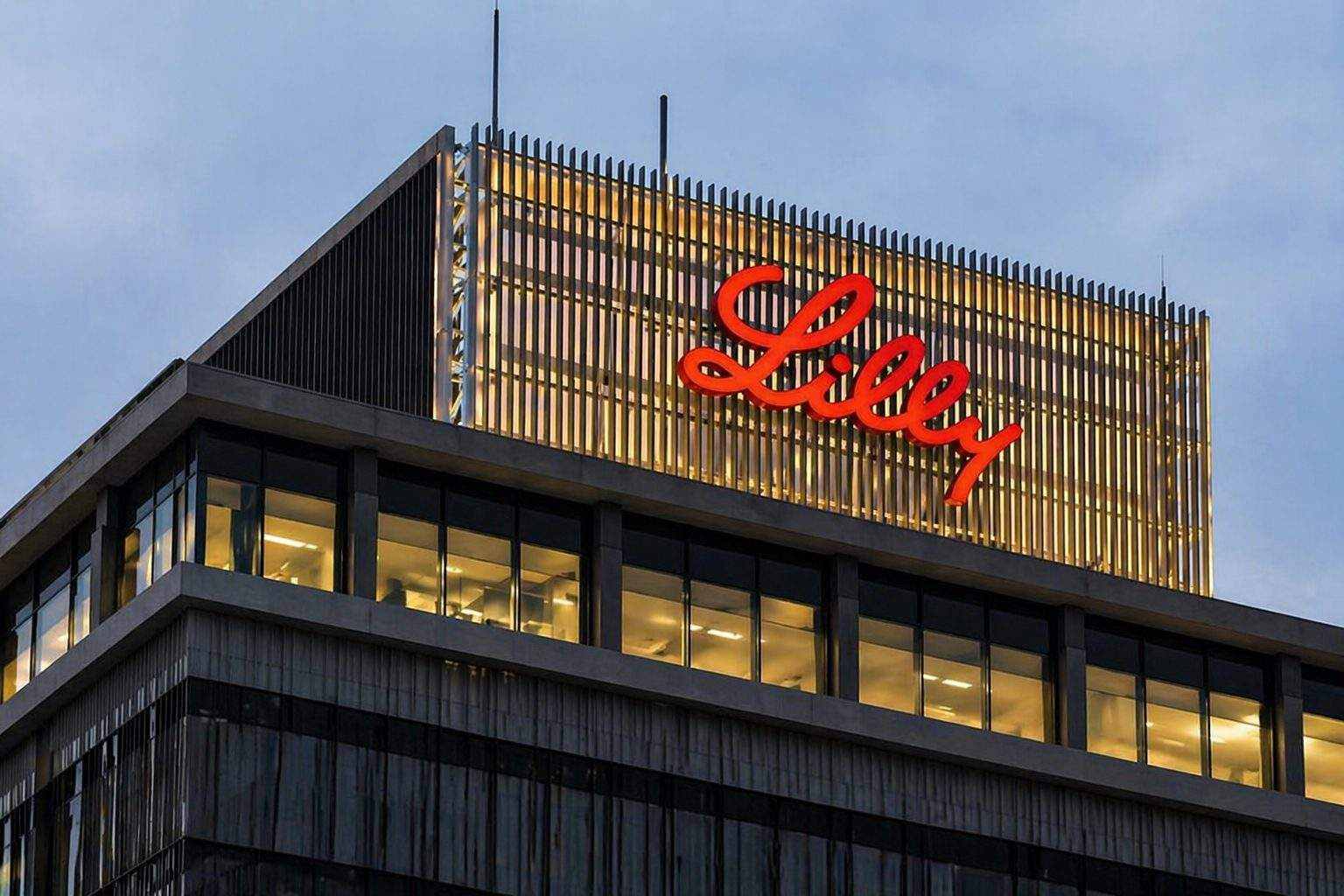

Indianapolis, April 30, 2026, 08:01 EDT
- Lilly bumped up its 2026 revenue forecast by $2 billion after posting a 56% surge in first-quarter sales.
- Quarterly sales for Mounjaro and Zepbound hit roughly $12.8 billion, with investors squarely watching GLP-1 demand.
- Pricing risk remains; realized prices have slipped, early Foundayo uncertainties linger, and Novo Nordisk competition is still a cloud over the stock.
Eli Lilly hiked its full-year outlook for both sales and profit Thursday, following a jump in quarterly revenue driven by strong uptake of its diabetes drug Mounjaro and obesity therapy Zepbound. First-quarter revenue climbed 56% to $19.8 billion, according to the Indianapolis-based company, with adjusted earnings coming in at $8.55 per share.
Lilly’s numbers are drawing attention as the company looks to turn the worldwide surge in GLP-1 drugs — which mimic a gut hormone and help regulate appetite and blood sugar — into stronger sales, despite pricing headwinds. The company reported that higher sales volumes more than made up for lower realized prices, the figure Lilly pockets after rebates and discounts.
Lilly is now projecting revenue for 2026 between $82 billion and $85 billion, raising its outlook from the earlier $80 billion to $83 billion range. The company also bumped its adjusted earnings guidance to $35.50 to $37.00 per share, up from $33.50 to $35.00. That tops the $34.55 analysts were looking for, according to LSEG figures cited by Reuters.
Mounjaro hauled in $8.7 billion in sales, more than doubling from a year earlier and coming in over $1 billion above what analysts had penciled in. Zepbound brought in $4.2 billion for the quarter, handily topping expectations as well. Lilly shares climbed in premarket trade, with investors shrugging off concerns about pricing and zeroing in on strong demand.
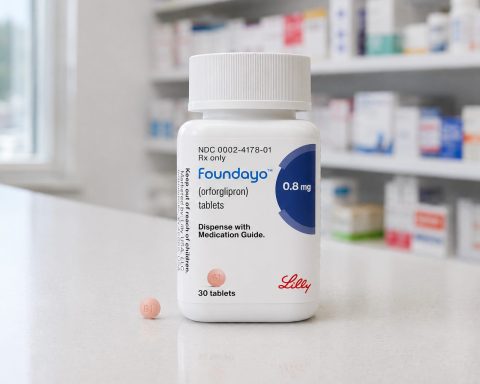
“2026 is off to a strong start,” said Lilly CEO David Ricks, who noted the company bumped up its full-year revenue outlook by $2 billion. Ricks highlighted the recent U.S. approval of Foundayo, Lilly’s oral GLP-1 pill, saying it could expand access outside of the injectable market. Eli Lilly and Company
Foundayo is up next. The pill rolled out in early April, missing Lilly’s first-quarter tally, though investors have started tracking whether it can catch up to Novo Nordisk’s oral Wegovy, which arrived in the U.S. market sooner.
Evan Seigerman at BMO Capital Markets called it “too early” to draw conclusions on the Foundayo launch, with just two weeks of data in hand. Over at Bellevue Asset Management, Terence McManus pointed out that those initial numbers could overlook direct-to-consumer sales. He added, investors typically need at least five or six weeks before the data starts to give a clearer picture. Reuters
Novo still shapes the competitive landscape. The Danish company set the pace in obesity treatments with Wegovy, but since Zepbound hit the scene in late 2023, Lilly has grabbed share. The next battleground: pills, not just weekly shots—a shift that could draw in people turned off by injectables.
Risks remain. Lilly flagged that lower realized prices weighed on revenue growth. Investors are keeping a close eye on U.S. reimbursement for obesity drugs, as well as how quickly Foundayo catches on, and pressure from lower-cost rivals abroad. Federal coverage for these drugs is still a wild card—Kevin Gade, chief operating officer at Bahl & Gaynor, described the uncertainty as one of the “sources of angst” for Lilly shareholders. Reuters
Even so, Lilly’s results underscored just how crucial its obesity and diabetes drugs are to the company’s market value. Net income surged to $7.4 billion, up from $2.8 billion the previous year. Non-GAAP net income hit $7.7 billion, as Mounjaro and Zepbound delivered again and charges related to acquired in-process R&D fell from last year’s levels.
Related articles: NYSE:LLY