
DETROIT, April 30, 2026, 12:05 PM (EDT)
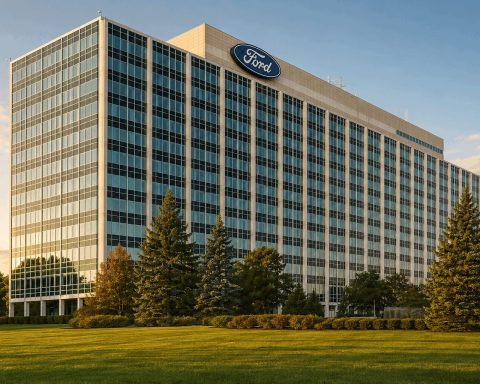
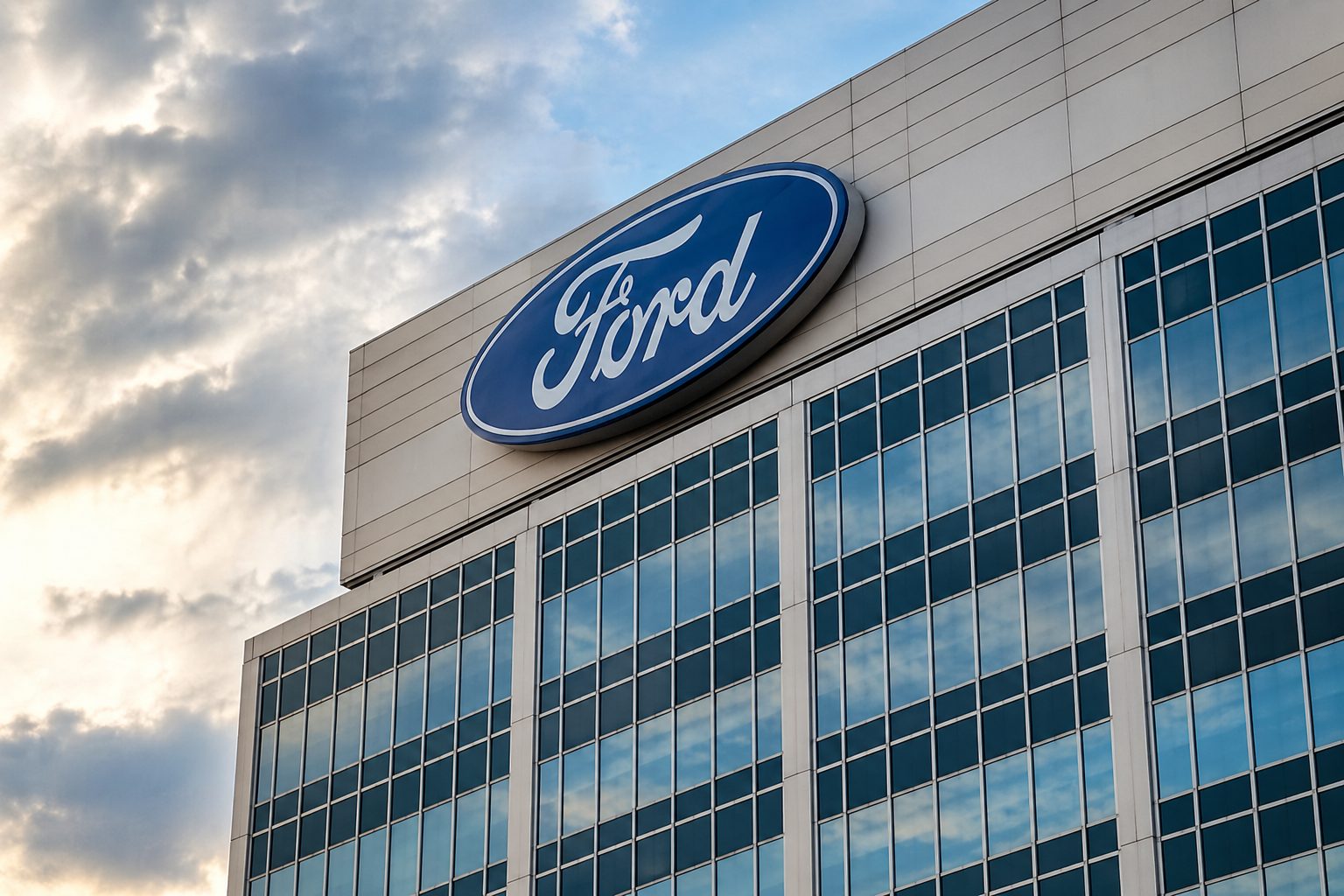
Ford Motor Co lifted its 2026 profit outlook, factoring in a $1.3 billion tariff refund that padded results as the company deals with pricier aluminum for its F-150 pickups. The automaker now puts full-year adjusted EBIT—earnings before interest and taxes—at $8.5 billion to $10.5 billion, an increase from its earlier range of $8 billion to $10 billion.
Timing is key here: Ford needs to convince investors that profits from its trucks, SUVs, and commercial vehicles are enough to bankroll its expensive EV overhaul. The refund buys Ford some breathing space—though it’s not actual cash in hand. Ongoing aluminum supply snags still weigh on the company’s flagship pickups.
The F-150 is the big lever here. Reuters points out it’s held the title of America’s top-selling vehicle for over four decades and serves as a cornerstone of Ford’s profits, so halting production isn’t something Ford can easily ignore.
Ford’s first-quarter revenue climbed 6% from a year ago to $43.3 billion, with net income coming in at $2.5 billion and adjusted EBIT landing at $3.5 billion. That EBIT figure factors in a one-off $1.3 billion boost related to the International Emergency Economic Powers Act, or IEEPA.
Ford is about to go through “one of the most intensive” stretches of product, software, and physical-services launches it’s ever faced, CEO Jim Farley said. CFO Sherry House told investors that the “path to higher margins is clear,” and noted Ford still expects to regain profits from Novelis in the second half. Q4 Investor Relations
After the U.S. Supreme Court tossed out certain Trump-era tariffs in February, Ford and General Motors are now waiting on a tariff refund. Neither automaker has logged the anticipated money as free cash flow yet; they’ll recognize it only after the funds hit their accounts.
Ford isn’t the only automaker in this position. GM says it’s set to claw back $500 million thanks to IEEPA import tax refunds. Stellantis, for its part, has already recorded a boost of roughly 400 million euros—about $467 million—in the first quarter from the anticipated refund windfall. Volkswagen’s finance chief was less committal, telling analysts it’s still too soon to talk about getting tariffs refunded.
The aluminum situation remains murky. Ford is sticking with its forecast for $1 billion in net tariff costs this year. F-150 inventory dropped 38% in April from the prior year, Reuters said, after fires hit supplier Novelis’ New York facility. JPMorgan’s Ryan Brinkman pointed to S&P Global Mobility numbers showing F-Series production off 12% year-over-year in the first quarter, and noted Ford could be having “a more difficult time” bouncing back from the Novelis fire than earlier thought. Reuters
Ford Blue, responsible for the company’s gasoline and hybrid lineup, reported $1.9 billion in EBIT off $23.9 billion in revenue. Ford Pro, which manages commercial vehicles, turned in $1.7 billion in EBIT, and logged a 30% jump in paid software subscriptions, now totaling 879,000. Meanwhile, the electric-focused Ford Model e posted a $777 million loss for the quarter.
That higher forecast comes with some caveats. Ford’s outlook factors in roughly $2 billion in commodity costs—aluminum topping the list—and doesn’t account for major shocks like a drawn-out conflict in the Middle East or a sharp U.S. downturn. Losses from the Model e unit are still pegged at $4 billion to $4.5 billion this year.
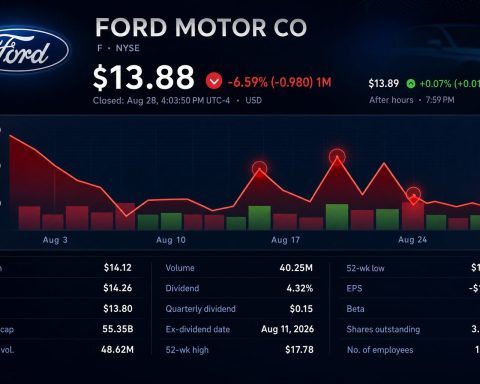
Ford slipped to $11.86 by midday Thursday, off 38.5 cents from its prior close. The market’s take? The refund offers some relief, yet questions around expenses, cash flow, and truck production linger for investors.
Related articles: NYSE:F