
New York, April 30, 2026, 13:06 EDT
- Fresh speculation about Satoshi Nakamoto’s identity is stirring up a familiar debate over just who holds the original Bitcoin cache.
- Adam Back is pushing back on technical arguments that have been cited to pin down Satoshi’s stash and who’s behind the name.
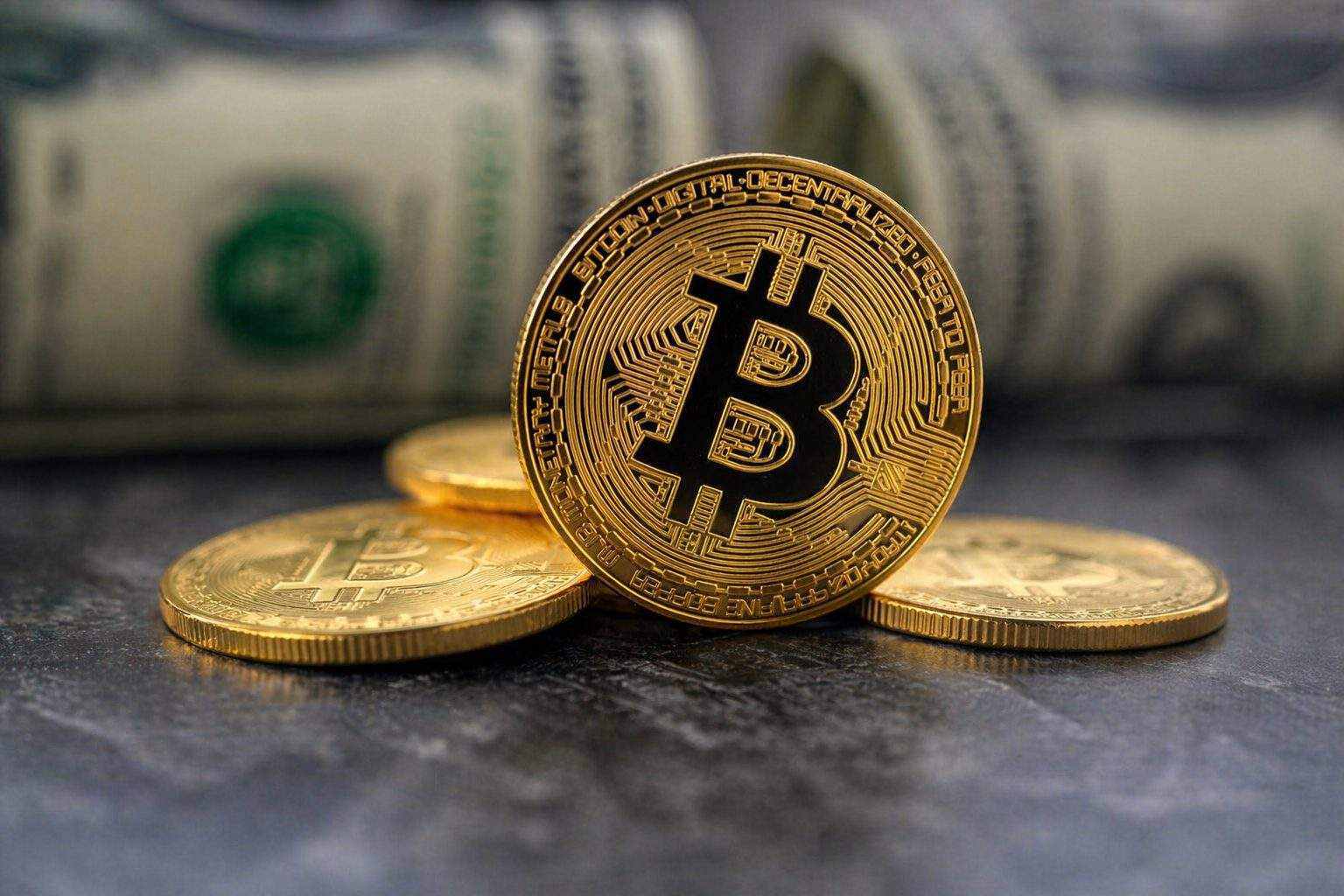
- Bitcoin hovering around $76,000 gives a 1.1 million Satoshi stash a value close to $84 billion.
Fresh controversy over Satoshi Nakamoto’s true identity is rattling crypto traders, with cryptographer Adam Back disputing key evidence in a new documentary, while actor-director Ben McKenzie argues the unanswered question fuels the crypto narrative.
The clock’s important here. Bitcoin was hovering around $76,214 Thursday; Ether sat near $2,256. Any sizable stash of early Bitcoin—enough to move markets—could easily rattle sentiment for a rally that’s already bumping against the $80,000 ceiling.
The speculation isn’t just online chatter anymore—Satoshi is thought to have mined a hefty stash in bitcoin’s early days. This month, The Guardian pointed out that if Back were Nakamoto, and sitting on 1.1 million coins, that would raise questions for the bitcoin treasury company he controls, both on disclosure and market fronts.
Blockstream CEO and Hashcash creator Adam Back disputed the “Finding Satoshi” film’s reliance on the Patoshi pattern—a statistical analysis of early Bitcoin block timestamps aiming to pinpoint coins mined by Satoshi. Back said, per a BeInCrypto report republished by Bitget, that plenty of other miners were active in Bitcoin’s first year, casting doubt on using the pattern to establish identity or coin ownership. Bitget
Released April 22, the film tracks journalist William D. Cohan alongside private investigator Tyler Maroney as they dig into Bitcoin’s origins—claiming to have wrapped up a four-year probe. Interview subjects, according to its website, range from MicroStrategy co-founder Michael Saylor to Ethereum’s Joseph Lubin, Coinbase’s Fred Ehrsam, and Casa’s Jameson Lopp.
Another report points to a documentary making the case that Hal Finney and Len Sassaman, both late cryptographers, helped create Bitcoin. Coinbase CEO Brian Armstrong called the film “the most thoughtful take” he’s seen and said he thinks the filmmakers landed “to the right answer,” per Bitbo, referencing The Block’s original piece. Bitbo
McKenzie, out talking up his documentary “Everyone Is Lying to You for Money,” put it bluntly in a WIRED interview published April 28: crypto, he said, carries “a lot of aspects of a cult.” The Bitcoin story sticks around, he argued, thanks in part to its pseudonymous, near-legendary creator. WIRED
The ex-“O.C.” star has carved out a niche as a sharp critic of crypto, co-writing “Easy Money” and sitting down with names like FTX’s Sam Bankman-Fried and Tether co-founder Brock Pierce. Speaking with WIRED, McKenzie said most crypto activity boils down to speculation or crime, adding that stablecoins—tokens meant to mirror fiat currencies—look like the sector’s next big play. WIRED
CryptoNews.net, picking up on a report from Bitcoin Sistemi, highlighted researcher Seán Murray’s suggestion that Jack Dorsey could be linked, referencing both a mention of “Satoshi” in early Twitter beta days and a later Tumblr post. Still, the article noted, Murray’s assertions fell short of offering any solid proof. CryptoNews
The evidence still falls short. None of the latest reports has surfaced cryptographic proof—nothing like a message signed with keys tied to Satoshi. Instead, theories keep circling around timing, writing quirks, historic posts and mining trends. Those stir up plenty of chatter, but they don’t move any coins.
Market risk hasn’t disappeared. Cointelegraph, via TradingView, noted Thursday that Bitcoin couldn’t crack $80,000, pointing to selling by short-term holders and persistent ETF outflows. Glassnode flagged ongoing overhead resistance, keeping mid-term sentiment under pressure.
The Satoshi saga keeps pulling in technologists, traders, filmmakers, and skeptics—still no closer to a resolution after years. An answer? The market doesn’t seem to require one. All that matters is whether the rumored stash is big enough to move the needle.
Related articles: NASDAQ:MSTR