
NEW YORK, May 2, 2026, 11:02 EDT
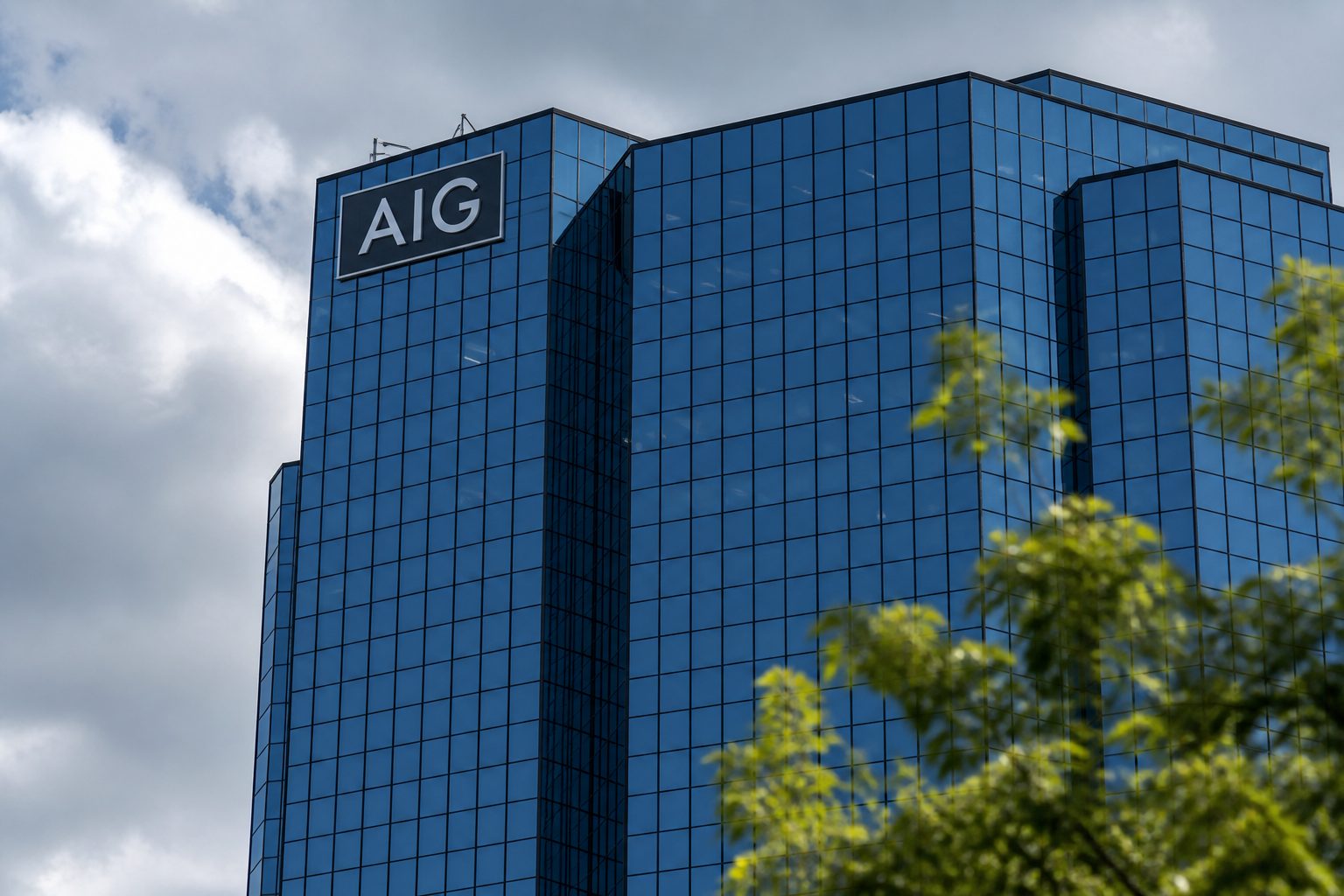
Shares of American International Group Inc. climbed 5.3% to close at $78.77 on Friday, after the insurer reported a significant jump in quarterly profit and disclosed to investors it had pulled back on private-credit deployment—a detail that resonated in a market skittish about opaque lending.
Timing is crucial. Insurers and asset managers are fielding tougher questions from investors about private credit — debt that skips the public bond markets — as worries over defaults, liquidity, and valuations pick up. AIG’s CFO Keith Walsh told analysts the firm has “slowed our deployment” in private credit, adding that direct lending stands at roughly $1.2 billion, or under 1.5% of the General Insurance investment book. Investing.com
AIG is set for a leadership shift as its results land. Peter Zaffino is staying on as chairman and CEO for now, but Eric Andersen—who came aboard in February—is set to take over as chief executive on June 1, Zaffino told analysts during the earnings call.
Adjusted after-tax income attributable to common shareholders jumped to $1.15 billion, or $2.11 per diluted share, up from $702 million, or $1.17 a share, a year ago. Net income attributable to common shareholders also climbed, landing at $763 million, or $1.41 a share, compared with $698 million, according to a company filing.
Underwriting drove the numbers. General Insurance underwriting income shot up, coming in at $774 million—more than triple. The combined ratio, tracking claims and expenses as a percentage of premiums, dropped to 87.3% from 95.8%, keeping the company safely in profit territory. Catastrophe-related charges tumbled 66% to $180 million, according to Reuters.
Net premiums written climbed 24% to $5.6 billion—18% higher on a constant-dollar basis. AIG attributed the growth to strategic deals, tweaks in reinsurance arrangements, and focused organic expansion.
The board bumped the quarterly dividend to 50 cents a share—an 11% jump—making it four consecutive years of double-digit increases. AIG handed back $760 million to shareholders for the quarter: $519 million through buybacks, $241 million via dividends. The company’s stake in Corebridge Financial dropped to 5.6%.
Other insurers sent investors a comparable message on catastrophe losses. Travelers topped first-quarter profit forecasts earlier in April, crediting smaller wildfire losses versus last year. Last month, MetLife CEO Michel Khalaf told Reuters that private credit was showing a few weaknesses, but he didn’t see a bubble forming.
The setup remains far from straightforward. U.S. wildfires usually ramp up during the summer months, and some areas of AIG’s property book are feeling the squeeze from softening prices. Walsh flagged that alternative investment returns for the second quarter would likely fall short, thanks largely to ongoing public-market swings. Zaffino noted that while the Middle East conflict hasn’t meaningfully affected AIG yet, he stressed the company isn’t letting its guard down.
AIG’s ramping up its tech investments, according to Zaffino, who said their in-house platform, AIG Assist, now runs across eight business lines. In Lexington middle-market property, he pointed to a 30% jump in quotes, a 55% reduction in time to quote, and about a 40% rise in binding rates. Still, Zaffino made it clear: “human oversight” isn’t going anywhere. Investing.com
For now, investors saw the quarter as proof AIG is still managing to grow earnings—even as it reins in the exposures that tend to rattle markets. The bigger question looms: can that discipline stick through the summer’s catastrophe season and an ongoing CEO transition?