
Baltimore, May 3, 2026, 12:04 EDT
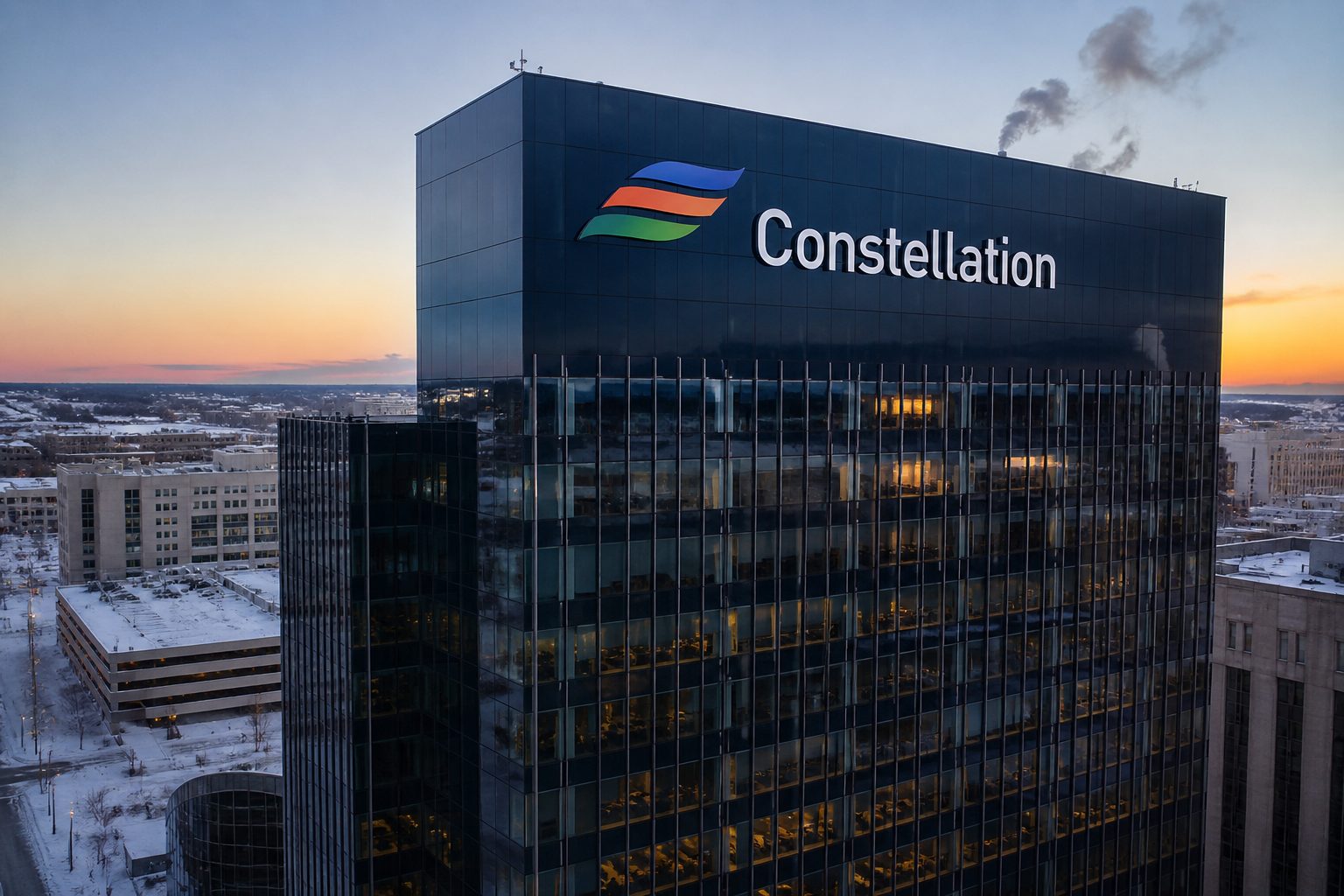
Shareholders at Constellation Energy signed off on all 11 board nominees and approved executive compensation, while overwhelmingly turning down a call for a report detailing the company’s rationale behind its diversity, equity and inclusion (DEI) efforts, according to a Friday filing. The outcome hands management a solid governance win ahead of next week’s first-quarter earnings update.
Timing is key here, as Constellation now stands in for one of the power sector’s central debates: just how much non-stop energy will AI data centers actually require, and how fast can power suppliers nail down those deals? Nasdaq wrapped up for the weekend with CEG finishing at $307.81, roughly 1.7% lower, according to the latest numbers.
Constellation’s next big update isn’t far off. The company plans to hold its first-quarter 2026 earnings call on May 11, kicking things off at 10 a.m. EDT, per details on its investor site.
The focus now shifts to capex, fresh contracts, and how Calpine gets folded in. Back in March, Constellation outlined $3.9 billion earmarked for capital spending, bumped its share repurchase limit up to $5 billion, and locked in over 5,650 megawatts worth of long-term clean-energy deals—those megawatts referring to electric capacity.
Constellation puts its fleet at 55 gigawatts—55,000 megawatts—spanning everything from nuclear and natural gas to oil, geothermal, hydro, wind, and solar plants. Based in Baltimore, the company says that’s enough juice for roughly 27 million homes. Constellation reports about 2.5 million customer accounts across the U.S.
In February, Chief Executive Joe Dominguez laid out a strategy centered on nuclear and flexible generation. “We’re pairing the grid’s most reliable power with flexible resources,” he said, pointing to electrification and data economy demand. Constellation Energy Corporation
“Constellation Energy stands out as a supplier for booming data center energy demand in 2026,” Melius Research analyst James West told Reuters, pointing to the company’s broader natural gas assets and stronger ERCOT position. Analysts have been watching that same mix. Reuters
This trade goes beyond just Constellation. Barron’s noted a 5.4% jump for Constellation in a recent session, with Talen Energy, NRG Energy, and Public Service Enterprise Group also moving higher. Evercore ISI connected the uptick to AI data-center spending by large tech firms and the resulting appetite for dispatchable power—electricity ready to hit the grid as needed.
Sell-side calls haven’t all gone in the same direction. On May 1, MarketScreener flagged JPMorgan trimming its Constellation price target to $386, down from $400. Scotiabank’s move came a bit earlier—April 29—when it dropped its own target to $441 from $481 but stuck with Sector Outperform. Those targets still top the current share price. Still, the cuts highlight just how sharply the stock reacts to guidance shifts and how quickly contracting trends matter.
The situation isn’t straightforward. Evercore ISI points out Constellation is set up for growth in AI, data centers, reshoring, and electrification, but according to Investing.com, the firm notes that the actual scale and timing will hinge on how contracts play out and what happens with policy. Some analysts flagged hold-ups in signing deals, ongoing regulatory questions, and the absence of another big hyperscaler contract—hyperscalers being the major cloud-computing clients, like big tech platforms.
The May 11 call now takes on added significance, more than just another quarterly check-in. One boardroom issue may be resolved with the shareholder vote, but investors want to see concrete signs: data-center demand showing up in results, Calpine integration progressing, and nuclear restart plans making their way into the earnings picture.
Related articles: NASDAQ:CEG