
Leawood, Kansas, May 5, 2026, 16:12 (CDT)
- AMC brought in $1.05 billion in first-quarter revenue, up 21.2%, topping what Wall Street was looking for as moviegoer numbers bounced back.
- The company delivered positive adjusted EBITDA—its strongest first-quarter result by that metric since pre-pandemic days—marking a profit before interest, taxes, depreciation, and amortization.
- AMC is still saddled with significant debt and continues to burn through cash, while it looks ahead to a busier film lineup in 2026 to draw in more moviegoers—the rebound arrives against that backdrop.
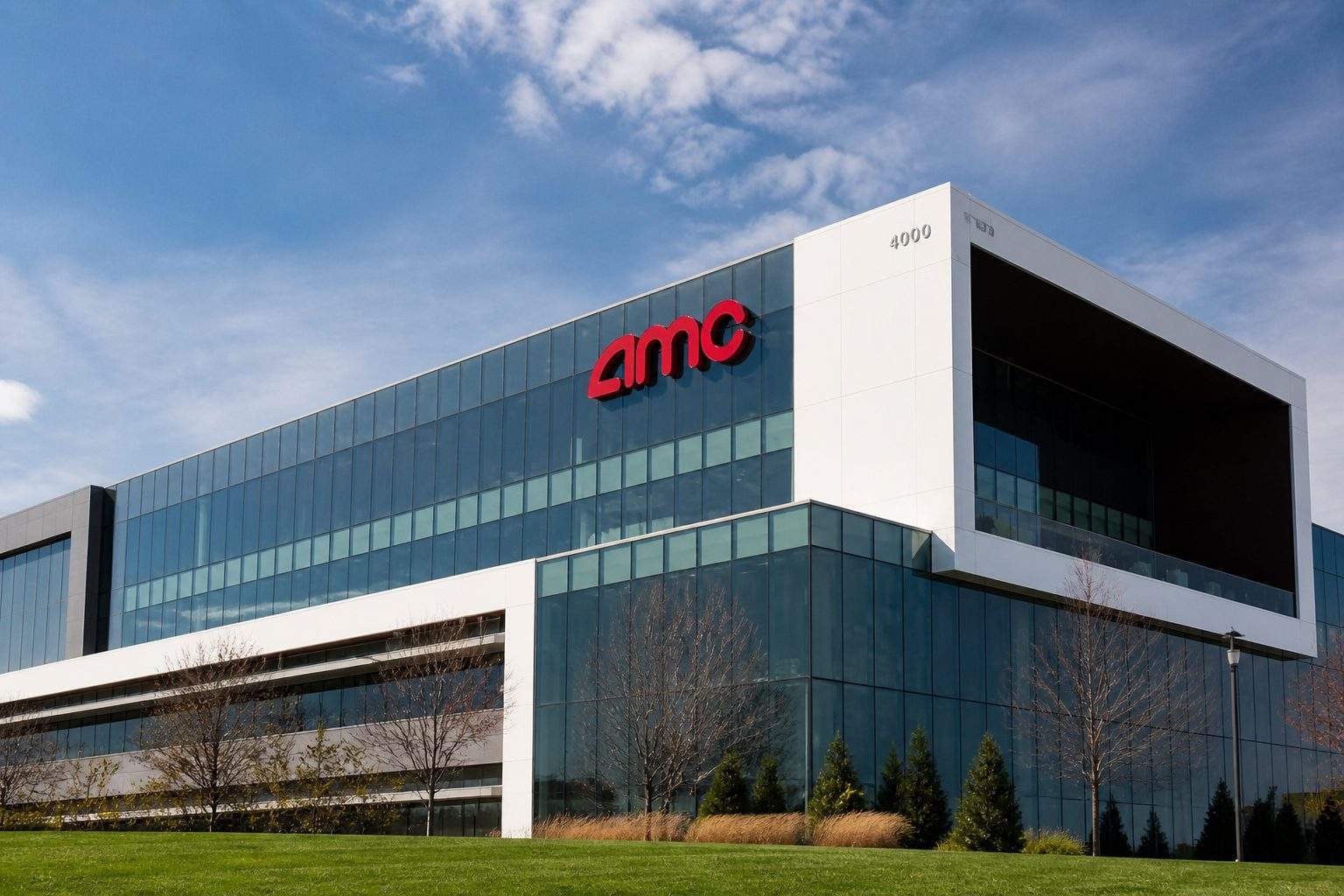
AMC Entertainment Holdings posted better-than-expected first-quarter revenue on Tuesday, helped by a rebound in box office numbers and more customers choosing premium formats. The Leawood, Kansas-based theater chain saw its shares climb over 2% after hours, according to Reuters.
Timing is key here. AMC and competitors have been in limbo for years, first with pandemic closures, then the 2023 Hollywood strikes throwing off film flow. Now, the company is touting a busier 2026 release schedule—evidence, it says, that the rebound is finally spreading out.
For the quarter ending March 31, revenue climbed to $1.05 billion, up from $862.5 million the previous year. Analysts surveyed by LSEG, as reported by Reuters, had been looking for $968.5 million.
AMC trimmed its net loss this time around, posting $117.1 million, or 22 cents per share, versus last year’s $202.1 million, or 47 cents a share. Adjusted EBITDA flipped to the black, landing at $38.3 million; a year ago, it had reported a $57.7 million loss.
Attendance jumped 13.6% to 47.6 million patrons. In the U.S., attendance climbed 14.2%. Internationally, it increased by 12.6%. Average screens, however, dipped a bit, signaling that the revenue boost was driven by heavier traffic and higher per-guest spending—not by expanding the theatre base.
Chief Executive Adam Aron described the period as AMC’s “best Adjusted EBITDA first quarter result since 2019 pre-pandemic” and declared the “box office is back.” Aron highlighted Amazon MGM’s Project Hail Mary along with early Q2 releases—The Super Mario Galaxy Movie, Michael, and The Devil Wears Prada 2—as proof that studios are delivering a stronger slate.
The numbers reflected that premium tilt. According to AMC, ticket prices increased for all formats, thanks in part to heavier crowds at 3D, IMAX, and other premium large-format screens—seats that fetch a higher price than regular showings.
As of March 31, AMC operated 224 IMAX screens, 181 Dolby Cinema locations, and 154 of its own branded premium large-format theaters. The company plans to roll out Arena One at AMC in June, turning auditoriums in over 300 U.S. theaters into spaces for both movies and live concerts.
Other exhibitors are starting to see better numbers, too. Cinemark reported on May 1 that first-quarter revenue jumped 18.9% to $643.1 million, with adjusted EBITDA hitting $88.5 million. Premium large-format screens made up 13% of worldwide admissions revenue for the chain. Over at IMAX, Project Hail Mary and Avatar: Fire and Ash fueled $260 million in global box office receipts for the quarter, even as overall revenue slipped 6%.
AMC took steps this quarter to shore up cash and ease short-term strain. The company brought in roughly $71.7 million via its at-the-market equity program, unloaded Hycroft Mining shares for $29.7 million, and reported that holders of around $155.8 million in exchangeable notes due 2030 opted to convert those into AMC common shares. CEO Aron noted AMC has been focused on efforts to “right our balance sheet.”
The tough spot is still the balance sheet. At the end of March, AMC had $339.2 million in cash—restricted cash not included. Free cash flow for the quarter landed at negative $174.7 million. Net cash used for operating activities: $128.5 million.
The big worry here: box-office gains might stall before AMC secures the relief it needs. The company, in its filing, flagged a number of risks—everything from sluggish North American and international box-office bounce-backs, to its substantial debt load, shorter theatrical windows, rising competition, and the threat of interruptions to film production or release calendars.
So far in the first quarter, investors have seen what they were hoping for—higher revenue, rising attendance, and adjusted EBITDA in the black. The bigger question looms: Can a packed summer and a stronger film slate in the back half actually convert those gains into reliable cash flow?
Related articles: Stock Market