
NEW YORK, May 6, 2026, 14:20 (EDT)
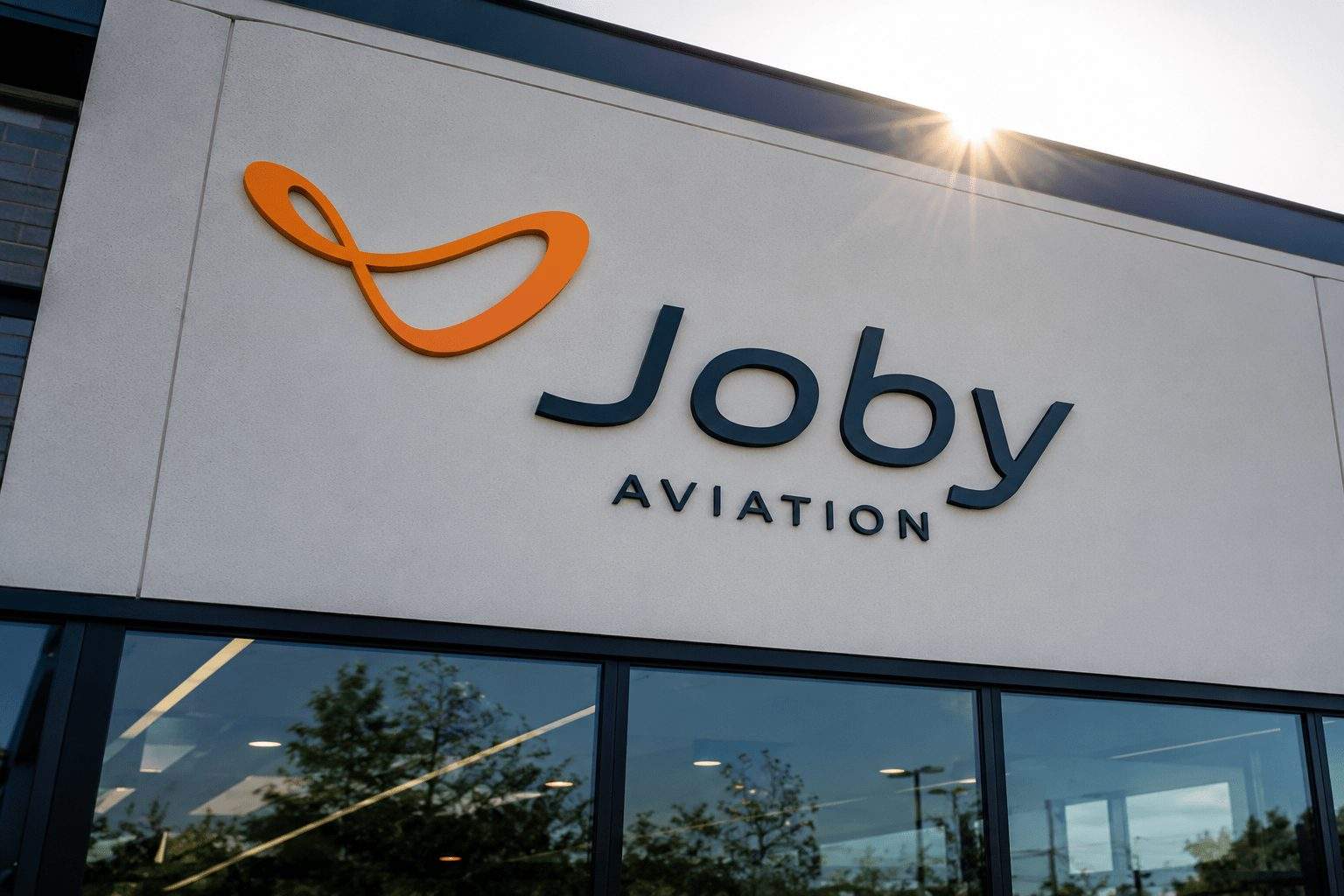
- Shares of Joby Aviation jumped after the air taxi developer posted Q1 numbers and flagged potential passenger flights as soon as this year.
- As of the end of March, the company held $2.5 billion in cash and short-term investments—enough to keep certification and factory projects moving.
- Losses are still deep. FAA approval stands as the key hurdle before the company can roll out broad commercial service.
Joby Aviation surged roughly 18% Wednesday, fueled by a first-quarter revenue beat and a reaffirmed timeline for launching initial passenger service in 2026. Shares last changed hands at $10.27, not far from the session peak of $10.36.
Why it’s significant: Joby is looking to convert all those years of test flights into an actual transportation operation. These aircraft, classified as eVTOLs—electric vertical takeoff and landing vehicles—lift off and land vertically, needing no runway, much like helicopters. But so far, the company hasn’t secured full U.S. certification for commercial passenger flights.
Joby wrapped up the first quarter holding $2.5 billion in cash, cash equivalents and short-term investments. The company highlighted recent demo flights in San Francisco and New York, steps forward on FAA certification, and early ops planning tied to a White House-backed pilot. “The clearest path we’ve ever had to launching passenger service,” said founder and CEO JoeBen Bevirt. Joby Aero, Inc.
The quarter brought in $24 million in revenue, with the bulk tied to Blade—the helicopter and seaplane service Joby picked up last year. Net loss hit $110 million, CFO Rodrigo Brumana said. Operating expenses climbed to $258 million as Joby put more cash toward certification, manufacturing, and prepping for commercial launch.
The company didn’t budge on its 2026 revenue target, sticking to $105 million to $115 million. First-quarter cash burn landed near $195 million, Brumana said, factoring in the net cost tied to a new Ohio plant. Spending overall tracked with first-half guidance—$340 million to $370 million—when leaving out that facility outlay.
Investors shrugged off the cash burn, for the moment. Barron’s noted Joby’s $24 million in revenue beat Street estimates, despite an operating loss of $234 million—more than analysts had penciled in. Cantor Fitzgerald’s Andres Sheppard pointed out that with the new Dayton, Ohio, facility, Joby is aiming to ramp up to four aircraft a month.
Bevirt told analysts Joby’s looking at “two shots on goal” for passenger flights this year—Dubai and certain U.S. markets under the eVTOL Integration Pilot Program, or eIPP. The idea: companies use the program to collect real-world operating data ahead of finalized air taxi regulations. The Motley Fool
Back in March, the FAA and the U.S. Transportation Department picked eight eIPP projects spanning 26 states. Joby landed on the list, showing up next to competitors like Archer Aviation, BETA, and Electra in a number of state-supported efforts. The lineup covers urban air taxis, regional passenger services, cargo transport, medical deployment, and tests for autonomous flights.
Joby’s push in New York offered investors a more straightforward narrative. Last week, Reuters said a Joby aircraft completed point-to-point demonstration flights from JFK Airport to Manhattan heliports, with the company targeting sub-10-minute trips between JFK and both Lower Manhattan and Midtown.
The Blade acquisition sits at the heart of the strategy. Back in 2025, Reuters reported that Joby had struck a deal to acquire Blade Air Mobility’s passenger operations, a move worth as much as $125 million. That buyout hands Joby access to customers, terminals, and a foothold in markets like New York and Europe.
But risks linger. Joby still faces the hurdle of FAA type certification—without that signoff, the aircraft can’t fly passengers for profit. Beyond that, they’ll have to prove they can manufacture at scale, navigate local permitting, and convert test routes into real, paying business. In its own filing, the company flagged uncertainties on launch timing, volumes, funding, regulatory shifts, suppliers, and rivals—any one of which could upend its plans.
Right now, investors are viewing Joby more as a wager on certification milestones than as a conventional transport operator with revenue. The looming question: can the company translate public flight demos into flying actual passengers, charging fares, and running regular service—before the cash burn narrative takes over again?
Related articles: Earnings Reports